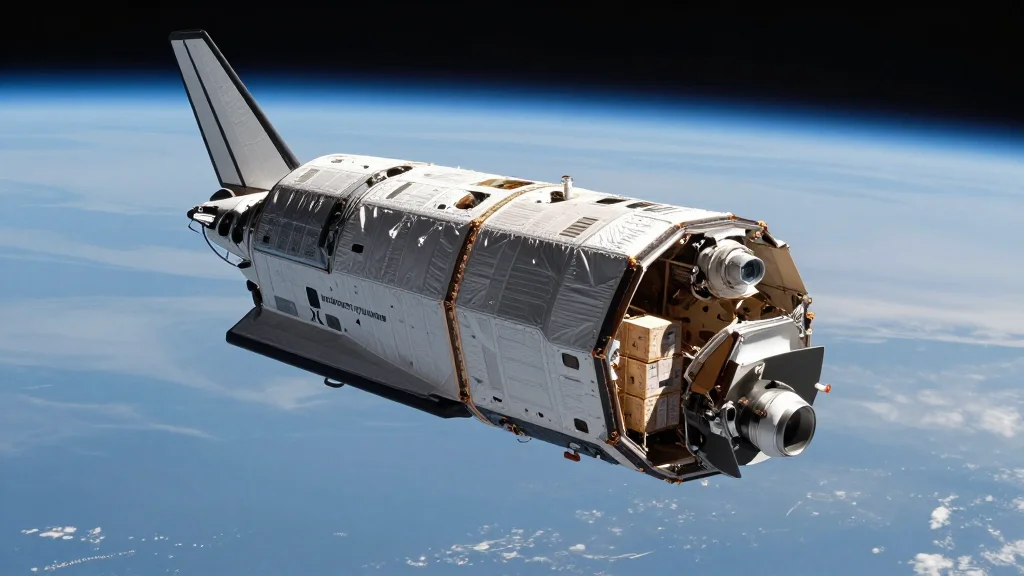
Northrop Grumman’s Cygnus XL Reaches ISS Carrying Tons of Supplies
Companies Mentioned
Why It Matters
The resupply reinforces the reliability of commercial partnerships for ISS logistics and reduces NASA’s reliance on legacy government‑run cargo programs, shaping the future of low‑Earth‑orbit supply chains.
Key Takeaways
- •Cygnus XL’s second flight delivers several tons of cargo to ISS
- •Canadarm2 captured the spacecraft at 1:20 p.m. EDT on April 13
- •Mission supports NASA’s Commercial Resupply Services‑2 contract
- •Commercial cargo flights sustain ISS operations and research agenda
- •Northrop Grumman expands its presence in the orbital logistics market
Pulse Analysis
The latest Cygnus XL mission underscores how commercial providers have become the backbone of low‑Earth‑orbit logistics. By leveraging the Canadarm2 robotic arm for capture, Northrop Grumman demonstrates the continued evolution of autonomous docking techniques that lower crew workload and increase safety margins. This capability not only streamlines the delivery of essential supplies—ranging from food and water to high‑precision scientific instruments—but also validates the design refinements introduced in the XL variant, such as increased payload volume and enhanced thermal protection.
From a business perspective, the successful flight strengthens Northrop Grumman’s position in NASA’s Commercial Resupply Services‑2 (CRS‑2) program, a multi‑billion‑dollar contract that awards cargo delivery slots to a handful of private firms. Consistent performance builds confidence among downstream customers, including research institutions and commercial entities that rely on timely access to the ISS for experiments and technology demonstrations. The steady cadence of cargo missions also helps amortize development costs, improving the economics of reusable spacecraft and potentially lowering launch prices for future customers.
Looking ahead, the Cygnus XL’s payload capacity—measured in multiple tons—positions it as a viable platform for upcoming lunar gateway logistics and deep‑space supply chains. As NASA and international partners shift focus toward Artemis and lunar habitation, the lessons learned from ISS resupply missions will inform the design of cargo vehicles capable of longer-duration, higher‑risk missions. In this context, Northrop Grumman’s continued success with Cygnus could translate into new contracts for lunar and Mars support, further entrenching commercial aerospace firms in the next era of space exploration.
Northrop Grumman’s Cygnus XL Reaches ISS Carrying Tons of Supplies
Comments
Want to join the conversation?
Loading comments...