NTSB Launches Two-Day Hearings on UPS MD-11 Crash That Killed 15

Why It Matters
The MD‑11 crash underscores how aging aircraft designs can harbor latent defects that only surface after decades of service. The NTSB’s focus on the spherical bearing raises questions about the adequacy of voluntary service bulletins versus enforceable airworthiness directives, a debate that could affect the entire fleet of older freighters worldwide. Moreover, UPS’s decision to retire its MD‑11s signals a shift toward newer, more fuel‑efficient aircraft, accelerating the modernization of the cargo sector and potentially reshaping market dynamics among manufacturers. If the hearings prompt stricter regulatory oversight, airlines may face higher compliance costs, influencing lease rates, insurance premiums, and the competitive balance between legacy and newer aircraft types. The broader industry will need to weigh safety imperatives against the financial pressures of maintaining or replacing aging airframes.
Key Takeaways
- •NTSB opened a two‑day hearing to investigate the engine separation on UPS Flight 2976 that killed 15.
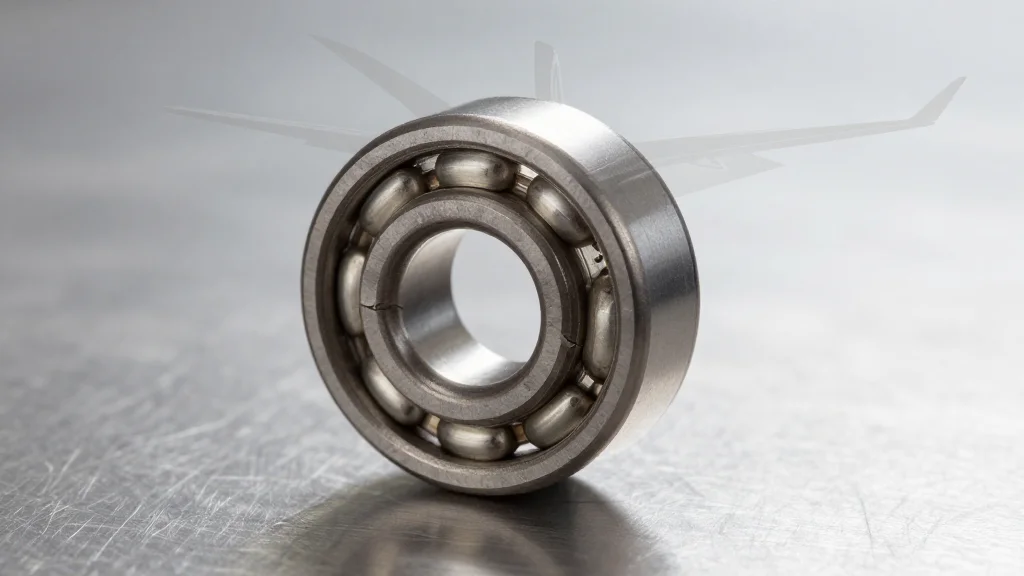
- •A cracked spherical bearing, flagged by Boeing in 2011, is identified as a likely cause of the failure.
- •UPS announced it will retire its entire fleet of 26 MD‑11 cargo planes, replacing them with Boeing 767s.
- •The FAA lifted the grounding order after approving Boeing's bearing‑replacement protocol and enhanced inspections.
- •FedEx resumed limited MD‑11 service, while industry observers debate the cost of retrofitting versus retiring older aircraft.
Pulse Analysis
The NTSB hearings arrive at a pivotal moment for cargo aviation, where legacy aircraft like the MD‑11 sit at the crossroads of safety, economics, and regulatory scrutiny. Boeing’s 2011 service bulletin, which stopped short of an airworthiness directive, reflects a broader industry tendency to rely on voluntary compliance for older platforms. This approach can delay critical fixes, as seen in the Louisville tragedy, and may erode public confidence in the safety of aging fleets.
From a market perspective, UPS’s accelerated retirement of its MD‑11s signals a clear preference for newer, more efficient aircraft, a trend likely to ripple through other carriers. The decision reduces operational risk but also accelerates demand for modern freighters, potentially benefiting manufacturers like Boeing and Airbus while squeezing less‑modern aircraft lessors. If the NTSB recommends mandatory directives for similar bearing issues, the compliance burden could force a wave of retirements, reshaping the cargo fleet composition over the next decade.
Strategically, the hearings could set a precedent for how regulators treat service bulletins versus directives. A finding that Boeing’s advisory was inadequate may prompt the FAA to tighten its criteria for issuing mandatory actions, especially for aircraft beyond their original design life. Such a shift would raise the bar for safety oversight, compelling airlines to invest more heavily in predictive maintenance and redesign programs, ultimately fostering a safer, though more costly, operating environment for global air cargo.
NTSB Launches Two-Day Hearings on UPS MD-11 Crash That Killed 15
Comments
Want to join the conversation?
Loading comments...