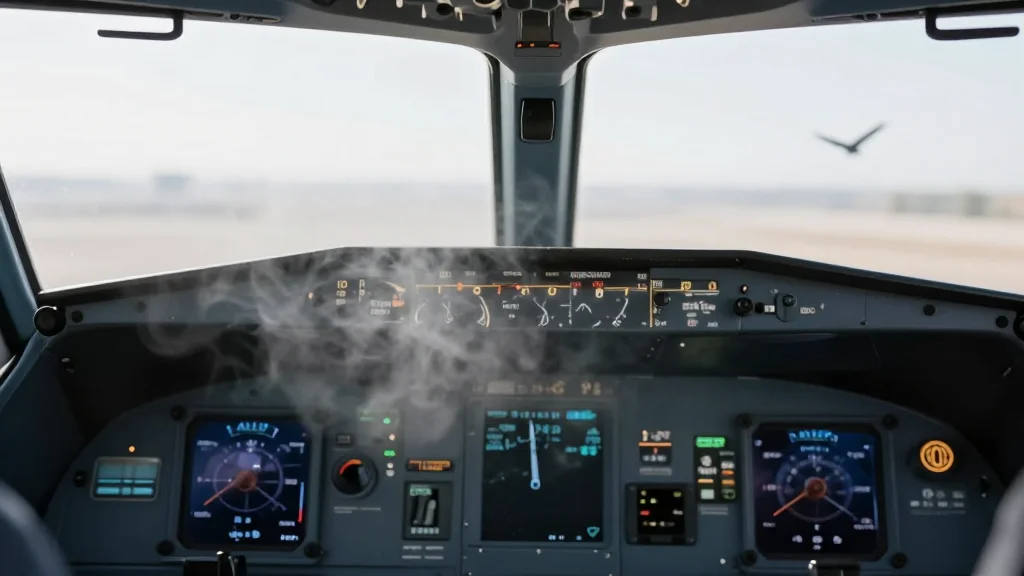
NTSB Urges Airlines to Train Pilots for Cockpit Smoke After Southwest Bird‑strike

Companies Mentioned
Why It Matters
Realistic smoke‑in‑cockpit training addresses a known blind spot in pilot preparedness, especially as bird‑strike frequency rises with expanding air traffic. By forcing crews to practice instrument navigation and emergency procedures under reduced visibility, airlines can reduce the risk of catastrophic outcomes in night or instrument‑meteorological‑conditions flights. Moreover, the NTSB’s push may catalyze faster implementation of Boeing and CFM’s software fixes, creating a two‑pronged safety net that combines human performance with engineering solutions. If the FAA adopts stricter training mandates, the industry could see a ripple effect: increased demand for advanced simulators, higher training costs, and potentially higher ticket prices. However, the long‑term benefit—enhanced safety margins and reduced accident liability—could outweigh short‑term expenses, reinforcing public confidence in commercial aviation.
Key Takeaways
- •NTSB recommends realistic smoke‑in‑cockpit simulations for all U.S. airlines.
- •Southwest 737‑700 safely landed after a December 2023 bird‑strike; 139 aboard unharmed.
- •FAA currently requires only discussion‑based training for smoke events.
- •NTSB warns night or instrument‑meteorological‑conditions incidents could be catastrophic.
- •Boeing and CFM have yet to confirm a software fix for 737 MAX smoke issues.
Pulse Analysis
The NTSB’s recommendation marks a rare convergence of operational safety and regulatory oversight. Historically, the FAA has delegated most training specifics to airlines, trusting that market forces will drive adequate preparedness. This incident, however, exposes a systemic vulnerability: pilots are rarely exposed to the sensory overload of a smoke‑filled cockpit in a controlled environment. By pushing for full‑flight simulator drills, the board is effectively demanding that airlines treat smoke scenarios with the same seriousness as engine failures, a shift that could recalibrate industry safety culture.
From a competitive standpoint, carriers that quickly adopt the recommended training may gain a reputational edge, especially among safety‑conscious travelers and corporate clients. Conversely, airlines lagging behind could face heightened scrutiny from regulators and insurers, potentially leading to higher premiums. Boeing and CFM’s delayed software fix further complicates the picture; without a technical remedy, the burden falls squarely on pilot proficiency. This dynamic underscores a broader trend where manufacturers and operators must coordinate more tightly to close safety gaps.
Looking ahead, the FAA’s response will be pivotal. If it issues an advisory circular, compliance may remain voluntary, limiting impact. A binding regulation, however, would compel uniform adoption, driving industry-wide upgrades to simulation capabilities. The timeline—potentially 90 days for training plan submissions—suggests a rapid rollout, but the true test will be the effectiveness of these drills in real‑world emergencies. As the aviation ecosystem adapts, the NTSB’s push could become a benchmark for how safety boards influence operational standards beyond mere accident investigation.
NTSB urges airlines to train pilots for cockpit smoke after Southwest bird‑strike
Comments
Want to join the conversation?
Loading comments...