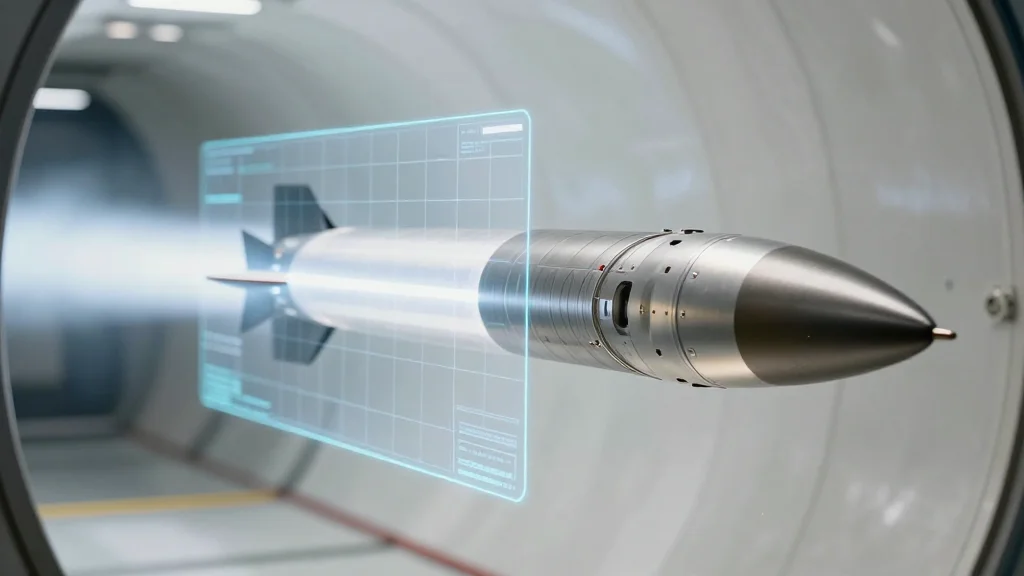
Opinion: The Cultural Gap Facing Aerospace R&D Testing
Why It Matters
Accelerating simulation‑driven testing can shave years off defense and commercial aerospace programs, preserving competitiveness and meeting tighter acquisition timelines. Modernizing standards and data sharing directly reduces schedule risk and cost.
Key Takeaways
- •Physical testing dominates aerospace R&D workflows
- •Digital twins now match real‑world behavior
- •Certification standards lag behind simulation capabilities
- •Shared material databases could cut months off programs
- •Automotive zero‑prototype model shows speed gains
Pulse Analysis
Aerospace engineers have long followed a legacy workflow: design on a screen, then wait months for a physical test article to confirm the model. While computational power and digital‑twin platforms now accurately replicate thermal, structural, and aerodynamic conditions, the industry treats simulation as a rough sketch rather than a primary decision tool. This cultural inertia stems from certification rules and risk‑averse mindsets that prioritize physical proof over predictive analytics, creating a bottleneck that hampers innovation.
The urgency is magnified by defense initiatives such as the Golden Dome missile‑defense shield, which must operate across land, sea, air, and space. Traditional testing timelines—12 to 18 months for material qualification—cannot keep pace with the rapid fielding demands of modern warfare. Automotive manufacturers have already demonstrated the benefits of a simulation‑first strategy, compressing vehicle development from five years to 18 months and logging billions of virtual miles. Waymo’s reliance on digital miles further illustrates how virtual validation can dramatically reduce physical mileage while maintaining safety standards.
To bridge the cultural gap, two concrete steps are essential. First, certification bodies like the FAA and DoD must revise advisory circulars to formally accept simulation‑supported evidence alongside physical data, allowing engineers to focus tests on high‑uncertainty areas. Second, the industry needs a trusted, shared repository of digital material properties, backed by recognized standards, to eliminate redundant testing and ensure data traceability. Implementing these changes would reorder testing priorities, cut development cycles, and help the United States retain its aerospace edge in an increasingly fast‑moving defense landscape.
Opinion: The cultural gap facing aerospace R&D testing
Comments
Want to join the conversation?
Loading comments...