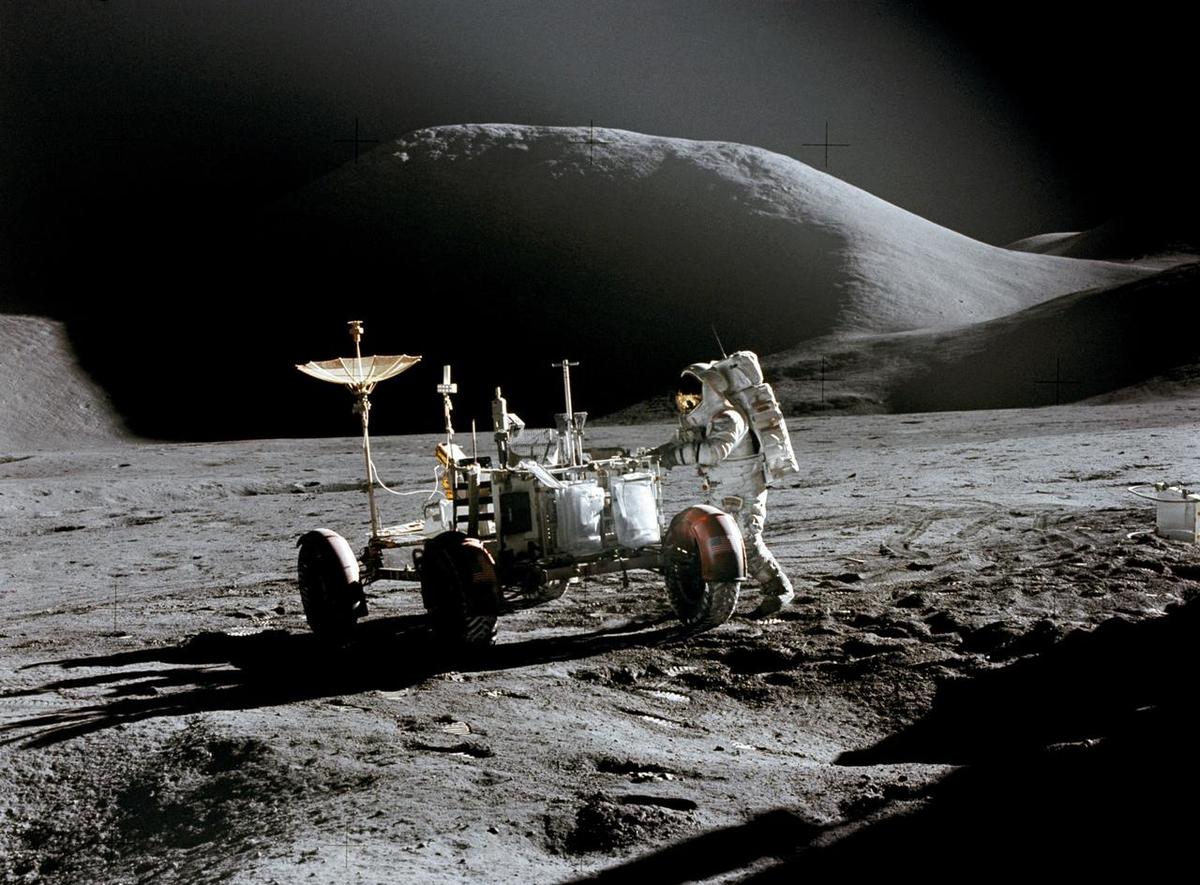
Payload Field Guide: Lunar Rovers
Companies Mentioned
Why It Matters
Lunar rovers are the linchpin for sustained exploration, infrastructure build‑out, and a recurring commercial economy on the Moon, making them a decisive factor in who captures the emerging lunar market.
Key Takeaways
- •NASA's Ignition event pushes for faster, scalable lunar rover delivery.
- •Astrobotic's CubeRover will launch on Griffin-1 mission this year.
- •Lunar Outpost's MAPP failed to exit lander but aims rover‑as‑a‑service model.
- •ispace plans third landing in 2028 after Resilience lander mishap.
- •JAXA/Toyota developing pressurized Lunar Cruiser for crewed multi‑day missions.
Pulse Analysis
The lunar mobility landscape is undergoing a strategic overhaul. At the Ignition summit, Administrator Jared Isaacman outlined a vision that treats rovers as repeatable logistics assets rather than one‑off science toys. This pivot reflects NASA’s broader goal of monthly robotic landings and a permanent crewed base, demanding delivery pipelines that can scale in cadence and capability while keeping costs in check.
Commercial players are answering the call with divergent business models. Astrobotic’s CubeRover integrates directly into its end‑to‑end payload delivery service, offering customers a turnkey mobility package. Lunar Outpost is pioneering a rover‑as‑a‑service approach, aiming to sell data and prospecting insights rather than hardware alone, despite a recent setback when its MAPP unit tipped over. Meanwhile, ispace’s vertically integrated TENACIOUS rover ties directly to its lander architecture, positioning the company for a future where payload hosting and surface operations are bundled. Intuitive Machines and Venturi Astrolab are expanding into hybrid hopper‑rover concepts and continuous‑operation cargo carriers, respectively, while JAXA‑Toyota’s pressurized Lunar Cruiser targets crewed, multi‑day excursions, underscoring the growing convergence of exploration and commercial transport.
Looking ahead, the late 2020s will be a proving ground. Multiple CLPS missions will field autonomous navigation, radiation‑hard power systems, and thermal solutions capable of surviving the two‑week lunar night. NASA’s upcoming down‑select for human‑scale and cargo rovers, slated for a 2028 flight‑ready window, will likely cement the first generation of commercial lunar vehicles. Companies that demonstrate reliability, manufacturability, and a clear revenue stream beyond government contracts will shape the nascent lunar economy, attracting investment and establishing the supply chains that could make lunar mining, habitat construction, and tourism viable.
Payload Field Guide: Lunar Rovers
Comments
Want to join the conversation?
Loading comments...