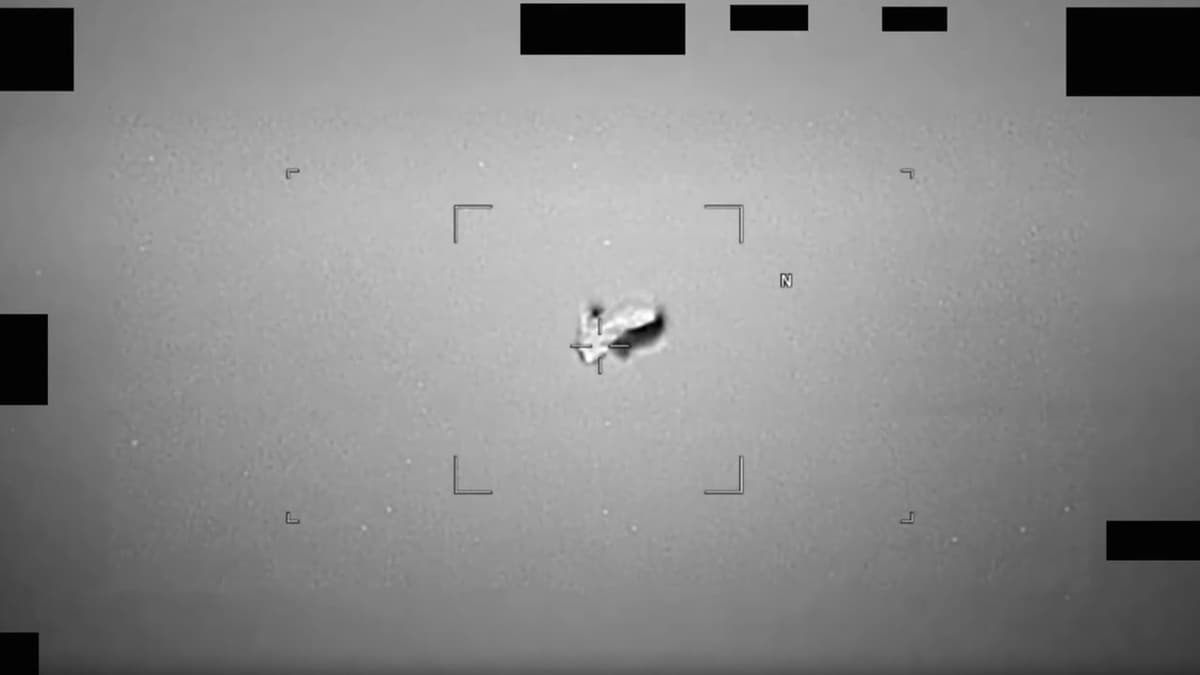
Pentagon Unveils Trove of Declassfied 'UFO' Videos. How to See Them All, From 'a Football-Shaped Body' To 'a Misshapen and Uneven Ball of White Light'
Why It Matters
Opening the UAP archive invites independent scientific scrutiny and could influence defense policy, aerospace research, and congressional oversight. The transparency shift may accelerate development of detection technologies and reshape public perception of aerial anomalies.
Key Takeaways
- •Pentagon released 161 declassified UAP files, including ~30 videos.
- •Videos show football-shaped, white-light, and infrared anomalies from 2024.
- •Government invites private-sector analysis of unresolved UAP cases.
- •No conclusions offered; explanations range from drones to sensor glitches.
- •Ongoing releases scheduled every few weeks to expand public scrutiny.
Pulse Analysis
The Department of Defense’s latest tranche of declassified material marks the most extensive public disclosure of unidentified anomalous phenomena (UAP) to date. Prompted by a February directive from former President Trump, the Pentagon uploaded 161 files to an online repository on May 8, 2026, pairing investigative PDFs with nearly 30 video clips captured by infrared sensors and full‑motion cameras across multiple theaters. By making raw sensor data available, the government signals a shift toward greater transparency, inviting scrutiny from academia, industry, and the broader public. This move also tests the limits of existing classification protocols in an era of heightened demand for openness.
The released footage showcases a spectrum of visual signatures, from a football‑shaped mass with three radial projections to a misshapen white‑light orb and a solitary bright dot navigating wind‑turbine arrays. All recordings date from 2024 and were collected by U.S. Central and Indo‑Pacific Commands, suggesting that the phenomena are not confined to a single geographic region. Analysts caution that sensor artifacts, advanced drone platforms, or software glitches could produce similar displays, underscoring the need for multidisciplinary expertise. The Pentagon’s disclaimer explicitly avoids any definitive interpretation, leaving the investigative burden on external researchers.
Opening the archive to private‑sector analysis could accelerate the development of detection algorithms and sensor‑fusion techniques that benefit both national security and commercial aerospace. Moreover, sustained public releases may shape congressional oversight, prompting legislation that clarifies reporting standards for UAP encounters. As the Pentagon plans additional tranches every few weeks, the cumulative data set will enable longitudinal studies, potentially revealing patterns in altitude, speed, or electromagnetic signatures. For investors and technology firms, the prospect of a new class of high‑performance aerial platforms—whether hostile, benign, or experimental—adds a strategic variable to future defense and space markets.
Pentagon unveils trove of declassfied 'UFO' videos. How to see them all, from 'a football-shaped body' to 'a misshapen and uneven ball of white light'
Comments
Want to join the conversation?
Loading comments...