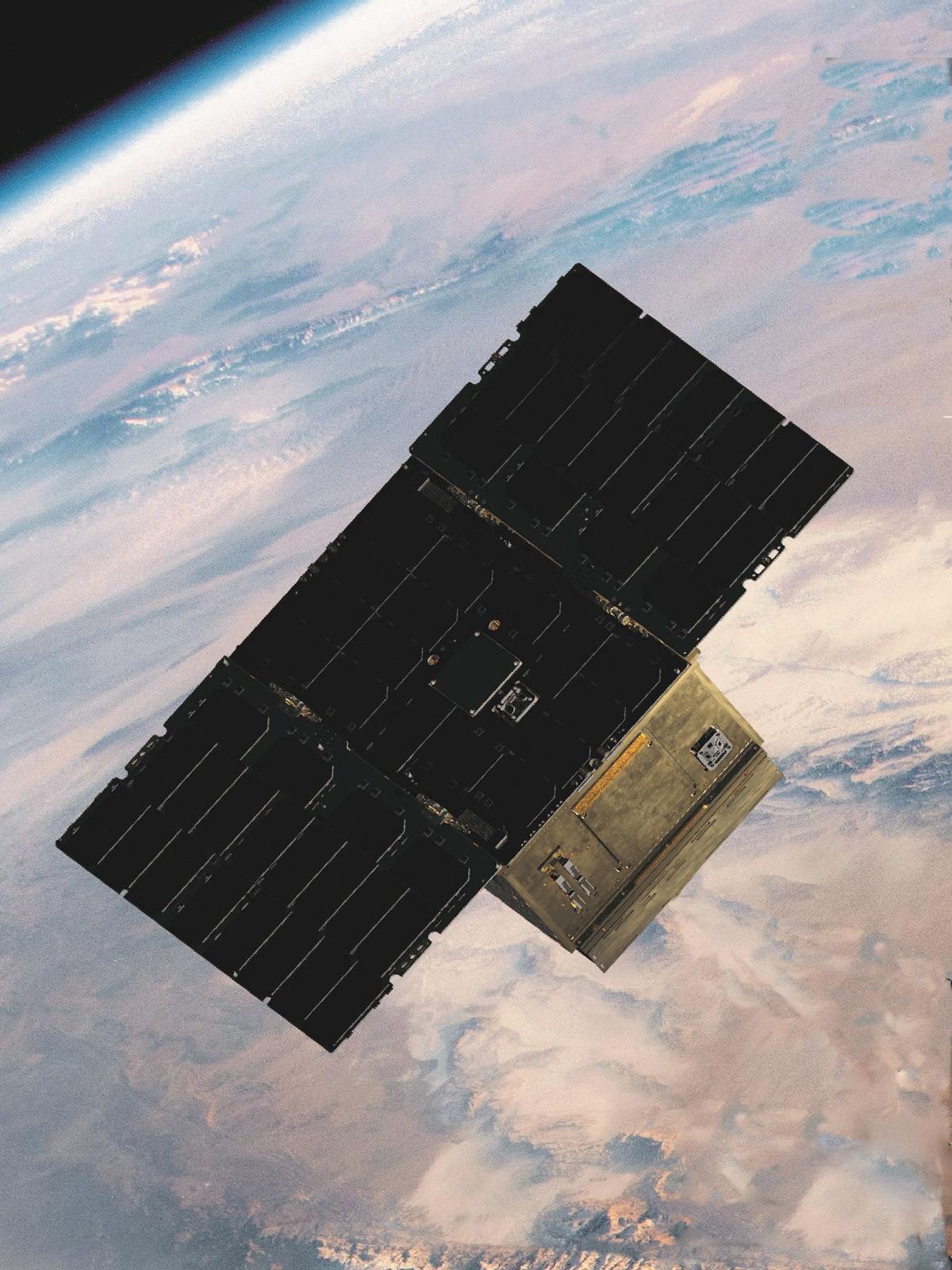
PiLogic Partners with AFRL on AI Anomaly Detection Tech
Why It Matters
AI‑powered anomaly detection could dramatically improve the resilience and response speed of military satellites, safeguarding critical communications and intelligence assets against both natural and hostile disruptions.
Key Takeaways
- •PiLogic and AFRL sign a CRADA with no monetary exchange.
- •AI model predicts satellite failures from faults, EW, cyber, and space weather.
- •System offers autonomous, notified, or human‑in‑the‑loop response options.
- •Access to Kirtland AFB testing and TS/SCI clearance sponsorship.
- •Goal: expand from flat‑sat tests to operational military orbiting assets.
Pulse Analysis
The defense sector is increasingly reliant on satellite constellations for communications, navigation, and intelligence, yet traditional fault‑diagnosis methods lag behind the speed of modern threats. PiLogic’s AI platform addresses this gap by automatically generating a digital twin for each spacecraft, continuously ingesting telemetry and applying machine‑learning classifiers to isolate anomalies caused by hardware degradation, space‑weather spikes, or adversarial electronic attacks. By offering three tiers of response—fully autonomous, operator‑alerted, and human‑in‑the‑loop—the system balances rapid mitigation with mission‑critical oversight, a crucial trade‑off for high‑value defense payloads.
Under the CRADA, PiLogic gains privileged access to AFRL’s test ranges at Kirtland Air Force Base, enabling real‑world validation of its models on flat‑sat testbeds that mimic operational conditions. While the agreement carries no direct cash flow, the strategic benefits—clearance sponsorship, credibility with military procurement, and a pathway to showcase the technology to other defense customers—are substantial. This collaborative model reflects a broader trend where the Department of Defense partners with agile commercial innovators to accelerate the integration of AI into legacy aerospace systems without the lengthy acquisition cycles typical of traditional defense contracts.
If PiLogic can successfully transition its technology from terrestrial prototypes to orbiting platforms, the implications extend beyond the military. Commercial satellite operators facing increasing congestion and the specter of cyber‑induced anomalies could adopt similar AI frameworks to reduce downtime and protect revenue streams. Moreover, the attribution methodology—filtering internal faults before flagging potential hostile interference—offers a template for multi‑domain threat analysis, positioning PiLogic as a potential linchpin in the evolving ecosystem of space security and resilience.
PiLogic Partners with AFRL on AI Anomaly Detection Tech
Comments
Want to join the conversation?
Loading comments...