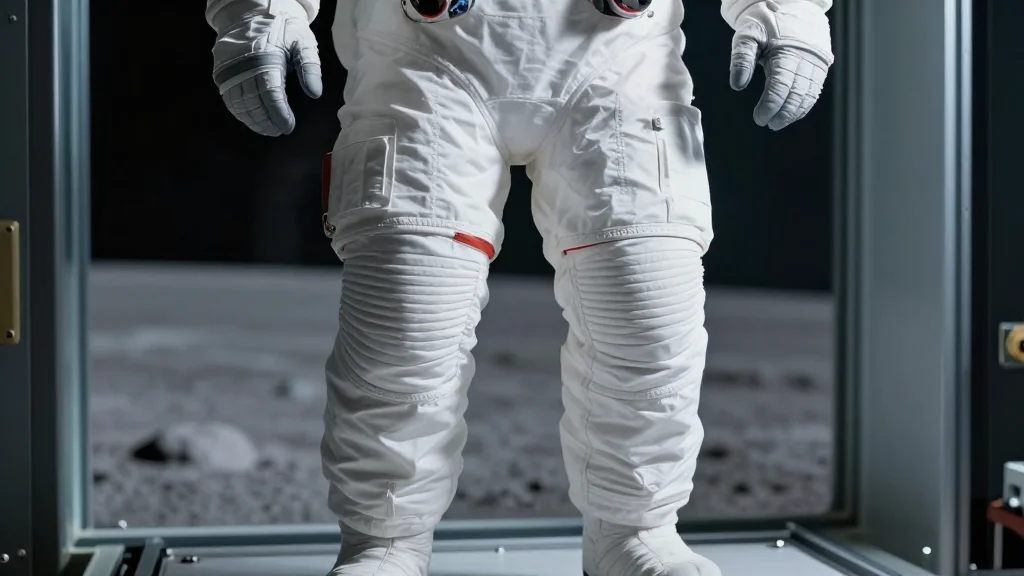
Pittsfield Lab Secures $1 Million NASA Contract to Test Artemis Spacesuits

Companies Mentioned
Why It Matters
The Pittsfield lab’s involvement signals a shift toward leveraging regional research centers for critical mission hardware, reducing bottlenecks that have historically slowed lunar program timelines. By validating spacesuit materials domestically, NASA gains tighter control over quality assurance and can iterate designs more rapidly, a key advantage as the agency targets multiple Artemis landings within a decade. Moreover, the collaboration with Synopsys introduces semiconductor‑grade simulation capabilities to aerospace testing, potentially raising the fidelity of environmental modeling across the industry. Beyond the immediate technical benefits, the project underscores the economic impact of federal research contracts on smaller communities. The $1 million NASA award, combined with $3.3 million in recent DoD contracts, sustains a high‑skill workforce in Pittsfield and demonstrates how targeted federal spending can catalyze local innovation ecosystems that feed into national space goals.
Key Takeaways
- •EMA’s Pittsfield SERE lab awarded just over $1 million in new NASA contracts for spacesuit testing
- •Lab collaborates with Synopsys to simulate lunar radiation and electromagnetic effects
- •EMA has secured more than $3.3 million in Air Force and Navy contracts since early 2025
- •Facility employs just under 20 engineers and scientists, expanding local high‑tech jobs
- •First suit component test results expected by early 2027, ahead of Artemis III landing
Pulse Analysis
EMA’s move to anchor spacesuit validation in Pittsfield reflects a broader strategic pivot by NASA toward distributed, high‑precision testing networks. Historically, NASA has relied on a handful of legacy facilities—such as the Johnson Space Center’s Neutral Buoyancy Lab—for hardware qualification. By integrating a regional lab equipped with modern electromagnetic simulation tools, the agency can parallelize testing streams, a necessity given the compressed timeline of Artemis III and IV.
The partnership with Synopsys is particularly noteworthy. Synopsys’ expertise in electronic design automation brings a level of computational rigor traditionally reserved for chip design into the aerospace arena. This cross‑industry technology transfer could shorten the design‑validation loop, allowing suit manufacturers to iterate materials faster and at lower cost. If successful, the model may be replicated for other mission‑critical systems, from power‑distribution hardware to habitat shielding.
From a market perspective, EMA’s expanding contract portfolio positions it as a go‑to provider for electromagnetic effects testing, a niche that few competitors can match in terms of both depth and geographic reach. The $3.3 million DoD spend underscores the dual‑use nature of the technology, suggesting that future defense contracts could further fund lab upgrades, creating a virtuous cycle of capability growth. As commercial lunar ventures—such as those led by SpaceX and Blue Origin—seek reliable testing partners, EMA could capture a slice of that emerging market, reinforcing the United States’ leadership in lunar exploration infrastructure.
Pittsfield Lab Secures $1 Million NASA Contract to Test Artemis Spacesuits
Comments
Want to join the conversation?
Loading comments...