Planet Labs Is Not Selling Satellite Images. It Is Selling a Subscription to Watch the Entire Planet Change in Real Time.
Companies Mentioned


Why It Matters
Planet’s subscription model and AI‑enabled satellites give governments and enterprises near‑real‑time, cost‑effective global surveillance, reshaping the $7 billion Earth‑observation market and driving rapid revenue growth.
Key Takeaways
- •Planet added three Pelican satellites, total nine high‑resolution spacecraft
- •$900 million contract backlog driven by defense and intelligence deals
- •Subscriptions, not image sales, generate over 90% of revenue
- •On‑board Nvidia AI cuts latency, sending only actionable insights
Pulse Analysis
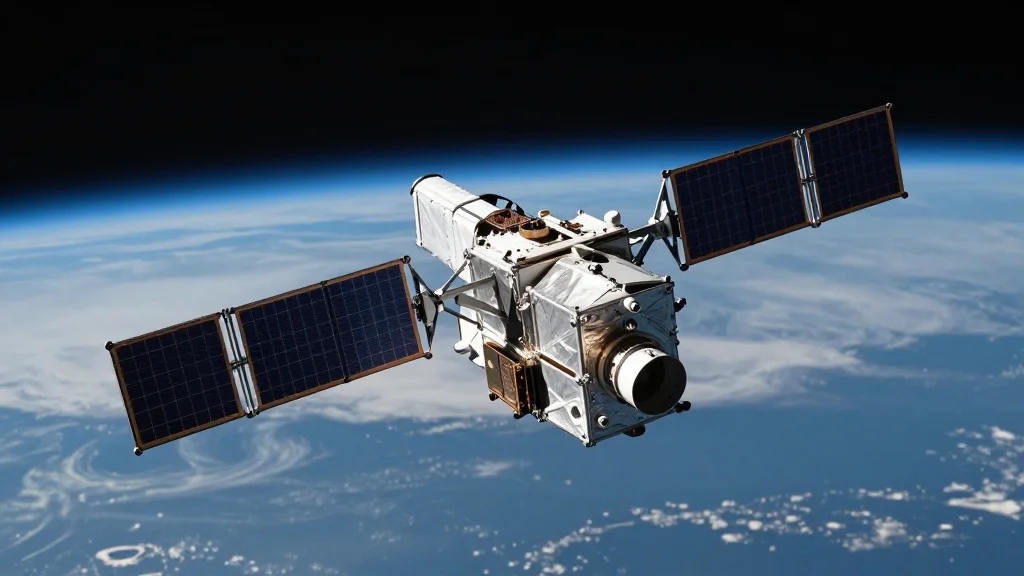
Planet Labs is redefining the Earth‑observation industry by shifting from a per‑image sales model to a subscription‑based data feed. This approach aligns with the growing demand from AI‑driven enterprises and defense agencies for continuous, high‑frequency imagery that can be ingested directly into analytics pipelines. By bundling its legacy Dove constellation, which captures the entire planet daily at 3.7 m resolution, with the newer Pelican satellites that deliver sub‑meter detail, Planet offers a tiered data service that scales across use cases—from crop monitoring to geopolitical intelligence.
The technical edge comes from embedding Nvidia’s Jetson AI platform on each Pelican satellite. On‑board processing enables the spacecraft to run change‑detection algorithms, classify objects, and transmit only the most relevant insights, slashing downlink latency from hours to minutes. This capability is critical for time‑sensitive missions such as maritime domain awareness, disaster response, and battlefield reconnaissance. The company’s recent contracts—a $260 million German government deal, a $12.8 million NGA maritime task, and multiple NATO and NASA orders—illustrate how the defense sector values this rapid, filtered data stream.
Looking ahead, Planet’s 32‑satellite roadmap promises up to 30 daily revisits at 30 cm resolution, a scale unmatched by traditional providers like Vantor and Airbus. The Earth‑observation market, projected to double to $14.5 billion by 2034, is poised for further consolidation around subscription models that lower per‑image costs while delivering higher cadence. Investors should watch Planet’s expanding backlog and its ability to leverage falling launch costs, as the firm positions itself as the go‑to commercial source for persistent, AI‑enhanced planetary monitoring.
Planet Labs is not selling satellite images. It is selling a subscription to watch the entire planet change in real time.
Comments
Want to join the conversation?
Loading comments...