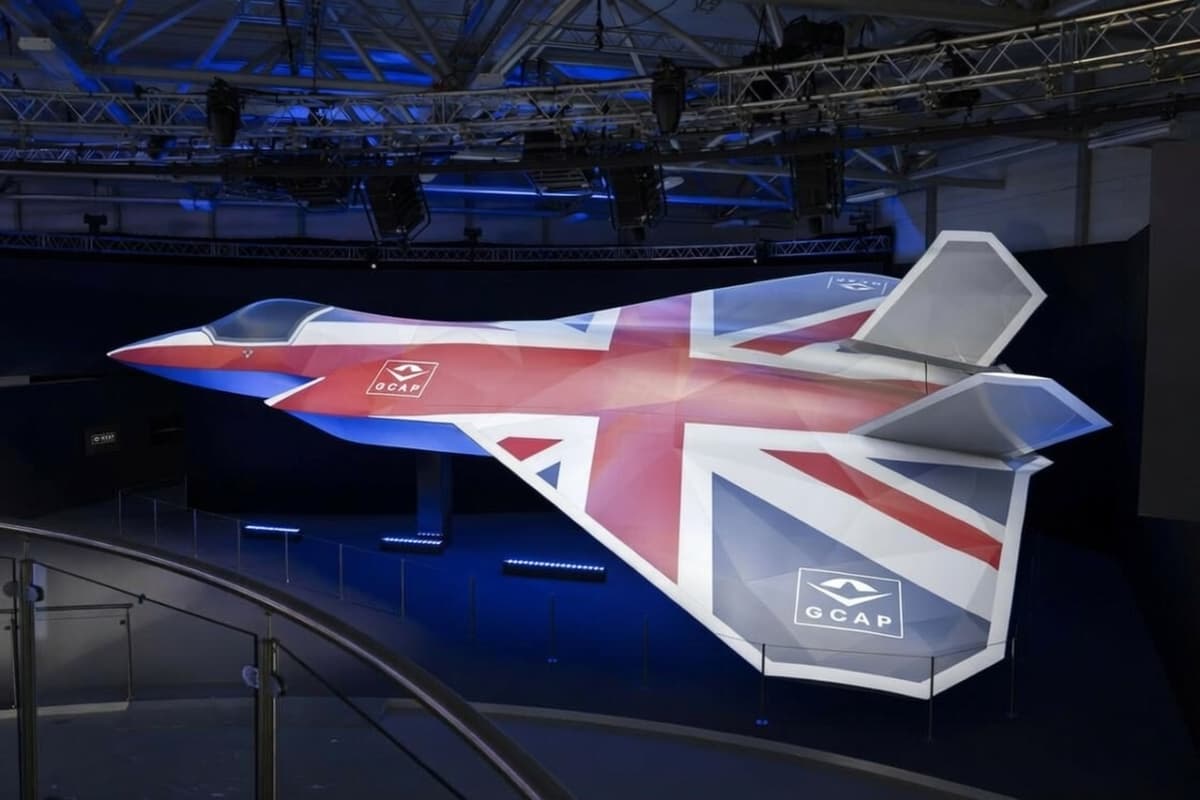
Potential Fiasco? After Tornado & Eurofighter, Why Critics Are Unhappy With UK’s 6th-Gen GCAP Program
Companies Mentioned
Why It Matters
GCAP represents the UK’s last realistic chance to retain sovereign combat‑air capability, but its financing threatens to strain an already stretched defence budget, influencing broader procurement priorities.
Key Takeaways
- •UK plans $7.6bn extra funding for GCAP amid £28bn defense gap
- •Critics cite Tornado and Eurofighter delays as warning signs for GCAP
- •Multinational partnership now three nations, emphasizing digital engineering and drones
- •GCAP seen as only path to retain UK sovereign fighter capability
- •Funding strain could force cuts to F‑35 buys or other defense programs
Pulse Analysis
The GCAP (Global Combat Air Programme) has become a flashpoint in Britain’s defence strategy, pitting fiscal realism against strategic ambition. While the £6 billion (≈$7.6 billion) injection promises a sixth‑generation fighter that could replace aging Eurofighters, it arrives amid a £28 billion (≈$35.6 billion) gap in the nation’s defence plan. Policymakers must balance the desire for a sovereign platform against the risk of cannibalising other critical programmes, such as additional F‑35 acquisitions, unmanned systems, or even the under‑used aircraft carriers that have already drawn public scrutiny.
Historical precedents fuel the scepticism. The Tornado‑GR and Eurofighter Typhoon programmes suffered from protracted development cycles, cost overruns—up to a 75 % rise in unit price for the Typhoon—and capability shortfalls that forced the RAF to rely on legacy aircraft in combat zones like Libya and Afghanistan. Those experiences underscore how divergent national requirements and political bargaining can erode performance and inflate budgets. Yet the GCAP consortium has deliberately narrowed its partner base to three, introduced a joint industrial venture, and built digital‑first engineering processes to avoid the pitfalls that plagued earlier collaborations.
Supporters argue that abandoning GCAP would leave the UK dependent on the US‑led F‑35, compromising export flexibility and independent upgrades. By embedding open‑architecture design and loyal‑wingman drones from the outset, the programme aims to deliver deep‑penetration, long‑range strike capabilities essential for countering A2/AD environments posed by Russia and China. If managed prudently, GCAP could safeguard British aerospace jobs, strengthen ties with Japan, and preserve a sovereign combat‑air legacy—provided the funding debate does not force untenable cuts elsewhere in the defence portfolio.
Potential Fiasco? After Tornado & Eurofighter, Why Critics Are Unhappy With UK’s 6th-Gen GCAP Program
Comments
Want to join the conversation?
Loading comments...