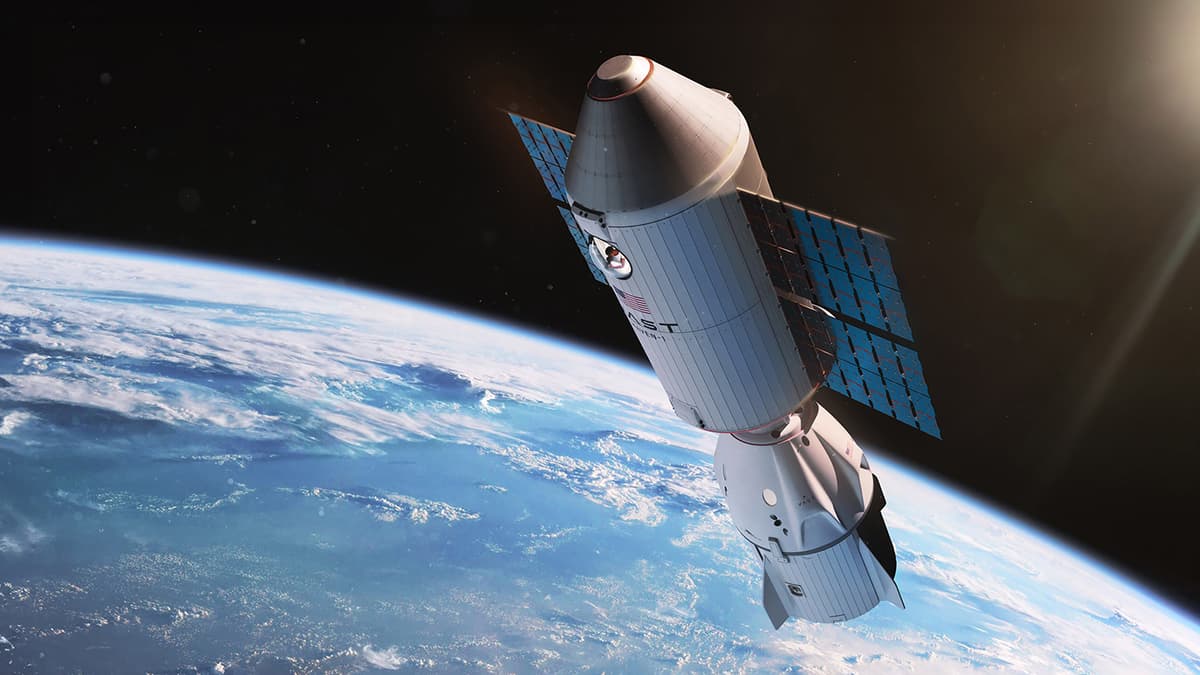
Proposed Fiscal 2027 Funding Could Support Two Commercial Space Stations, Developers Say
Companies Mentioned

Why It Matters
Securing two commercial stations accelerates the transition from the ISS, unlocking a new low‑Earth‑orbit market and reducing NASA’s long‑term operational liabilities. It also signals strong governmental backing for private space infrastructure, shaping investment flows across the aerospace sector.
Key Takeaways
- •House bill allocates $400 million to NASA’s CLD program.
- •Vast and Starlab aim to secure funding for two stations.
- •Private capital now covers most development costs, reducing NASA burden.
- •NASA’s core‑module concept may miss 2030 deadline, per industry.
- •ISS deorbit slated for early 2031, prompting commercial replacements.
Pulse Analysis
The $400 million infusion into NASA’s CLD program marks a decisive policy shift, moving from a modest, single‑station vision to a dual‑station strategy. By exceeding the White House’s $300 million request, Congress is signaling confidence that the commercial sector can deliver viable habitats for low‑Earth‑orbit research and tourism. This budget boost not only cushions development costs but also creates a competitive arena where multiple providers can vie for NASA contracts, fostering innovation and driving down long‑term prices for orbital services.
Vast and Starlab Space, two of the most vocal contenders, emphasize that private investment now underwrites the bulk of their engineering and launch expenses. This financial model reduces the taxpayer’s exposure while allowing NASA to purchase services rather than own hardware. The companies argue that the market demand—ranging from microgravity manufacturing to space‑based entertainment—justifies two parallel stations, each tailored to distinct customer segments. Their confidence is bolstered by recent advances in modular design, in‑space assembly, and reusable launch vehicles, which collectively lower the barrier to entry for commercial habitats.
The broader implication is a faster, more resilient transition away from the International Space Station, slated for deorbit in early 2031. NASA’s earlier contemplation of a single “core module” to bridge the gap appears increasingly untenable, given the tight timeline and design lag. By endorsing two independent stations, the agency can diversify risk, ensure continuous low‑Earth‑orbit access, and stimulate a burgeoning ecosystem of ancillary services—ranging from logistics to scientific payloads—thereby cementing the United States’ leadership in the next era of space habitation.
Proposed fiscal 2027 funding could support two commercial space stations, developers say
Comments
Want to join the conversation?
Loading comments...