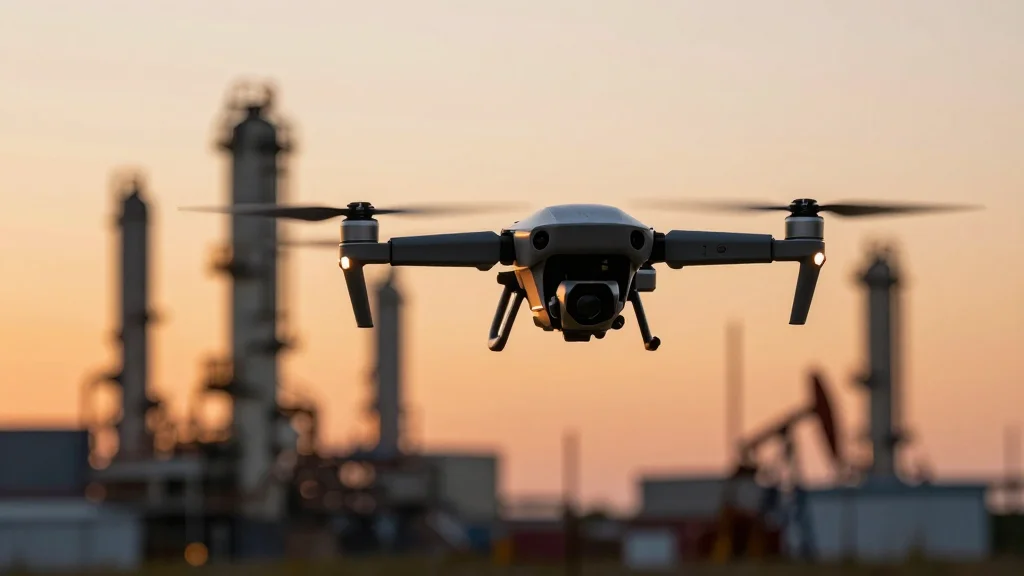
Putin Replaces Aerospace Forces Chief After Wave of Ukrainian Drone Strikes

Why It Matters
The removal of Afzalov and the appointment of Chaiko highlight a critical juncture for Russia's aerospace and air‑defence strategy. Ukrainian drone attacks have not only inflicted material damage on vital oil infrastructure but also exposed systemic vulnerabilities in Russia's ability to protect its airspace. A weakened air‑defence posture threatens the country's energy export capacity, a cornerstone of its economy, and could embolden further Ukrainian strikes. Internationally, the shake‑up may influence how other nations assess the resilience of Russian military capabilities. Allies and adversaries alike will gauge whether the new commander can reverse the trend of successful drone incursions, which could affect the calculus of future engagements and the broader security environment in Eastern Europe.
Key Takeaways
- •President Vladimir Putin replaced General Viktor Afzalov with Colonel General Alexander Chaiko as head of the Aerospace Forces.
- •Ukrainian drones have struck the Tuapse refinery four times and hit an oil complex near Perm, causing fires and spills.
- •Russia's oil processing volumes have dropped to their lowest level since 2009 due to the attacks.
- •The Victory Day parade will be shortened and will omit military equipment for the first time in decades.
- •Chaiko brings extensive ground‑force experience, having led the Eastern Military District and served in Syria.
Pulse Analysis
The abrupt leadership change underscores how drone warfare is reshaping conventional military hierarchies. Historically, Russia's air‑defence doctrine relied on layered, high‑altitude systems designed to counter manned aircraft and ballistic missiles. Ukrainian operators have demonstrated that low‑cost, swarming drones can bypass these layers, forcing a doctrinal rethink. Chaiko's ground‑force background suggests the Kremlin may prioritize integrated, multi‑domain responses that blend air‑defence with electronic warfare and rapid‑reaction units.
From a strategic perspective, the loss of oil processing capacity erodes Russia's fiscal resilience, limiting its ability to fund prolonged military operations. The visible impact on domestic celebrations, such as the trimmed Victory Day parade, signals a rare public acknowledgment of military setbacks. This could have a cascading effect on morale within the armed forces and among the Russian populace, potentially prompting further internal reforms.
Looking ahead, the effectiveness of Chaiko's tenure will hinge on three factors: the speed of deploying advanced counter‑UAV systems, the willingness to restructure command‑and‑control to better integrate intelligence on drone threats, and the political capital he can muster to shield his initiatives from further Kremlin reshuffles. If successful, Russia may restore a degree of air‑defence credibility; failure could accelerate a broader erosion of its strategic posture in the region.
Putin Replaces Aerospace Forces Chief After Wave of Ukrainian Drone Strikes
Comments
Want to join the conversation?
Loading comments...