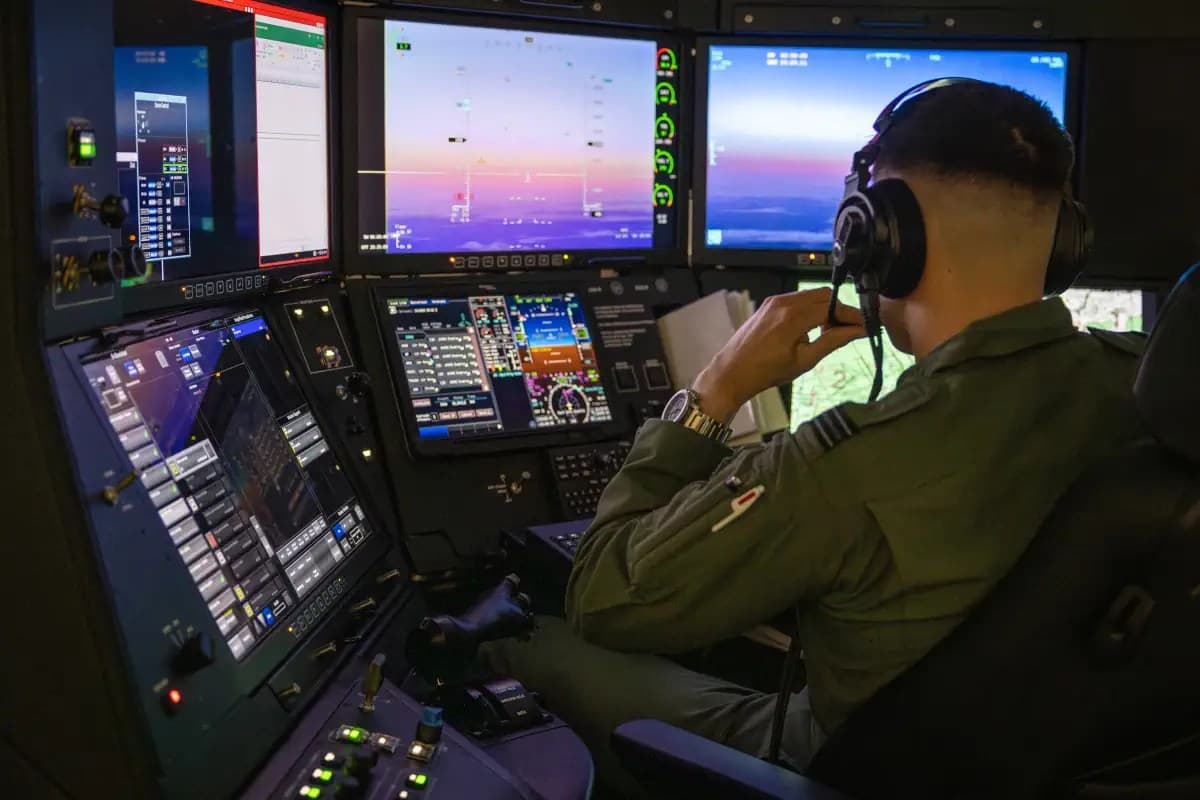
RAF Protector Makes First European Transit

Why It Matters
The milestone proves the RAF can move high‑value ISR assets quickly across civilian routes, enhancing operational responsiveness and reducing logistical bottlenecks for NATO operations.
Key Takeaways
- •Protector RG Mk1 PR008 completed 2,000‑nm European transit
- •Flight lasted 13.5 hours across France, Italy, Malta, Greece
- •First RAF UAV cleared for routine civilian airspace operations
- •Enables faster ISR deployment to Middle East and allied missions
- •Sets precedent for UK UAV integration into global air‑traffic system
Pulse Analysis
The RAF Protector’s successful European transit marks a turning point in unmanned aerial system (UAS) integration with civilian air traffic. Historically, UK drones like the MQ‑9 Reaper required restricted corridors or military‑only routes, limiting operational agility. Protector’s design complies with International Civil Aviation Organization (ICAO) standards, enabling it to file standard flight plans, receive real‑time air‑traffic‑control clearance, and share the sky with commercial jets. This regulatory alignment not only shortens transit times but also reduces the logistical footprint of deploying intelligence, surveillance, and reconnaissance (ISR) platforms to distant theaters.
From a strategic perspective, the 13.5‑hour, 2,000‑nautical‑mile hop from Waddington to Akrotiri showcases how the RAF can now project ISR capabilities across Europe and into the Middle East with unprecedented speed. Faster deployment translates into more timely intelligence for coalition forces, bolstering situational awareness in fluid conflict zones. Moreover, the ability to operate from civilian airspace opens new basing options, allowing the UK to leverage allied airfields without the need for dedicated military corridors, thereby enhancing interoperability with NATO partners.
The broader aerospace industry is watching closely as the Protector sets a practical precedent for UAS traffic management (UTM) in shared airspace. Successful civil‑airspace operations will likely accelerate regulatory frameworks worldwide, encouraging commercial and defense manufacturers to embed ATC‑compatible avionics from the outset. As more nations adopt similar standards, the sky could become a seamless blend of crewed and uncrewed aircraft, unlocking efficiencies in logistics, surveillance, and even cargo delivery, while maintaining safety and compliance.
RAF Protector Makes First European Transit
Comments
Want to join the conversation?
Loading comments...