RAVE Aerospace Nixes Proprietary Antenna Work as LEO Shapes IFEC
•February 23, 2026
0
Why It Matters
By abandoning proprietary antenna R&D, RAVE reduces R&D costs and positions itself as a platform integrator, aligning with airlines’ demand for flexible, low‑cost connectivity solutions as LEO constellations drive rapid market growth.
Key Takeaways
- •RAVE stops developing proprietary inflight antenna technology.
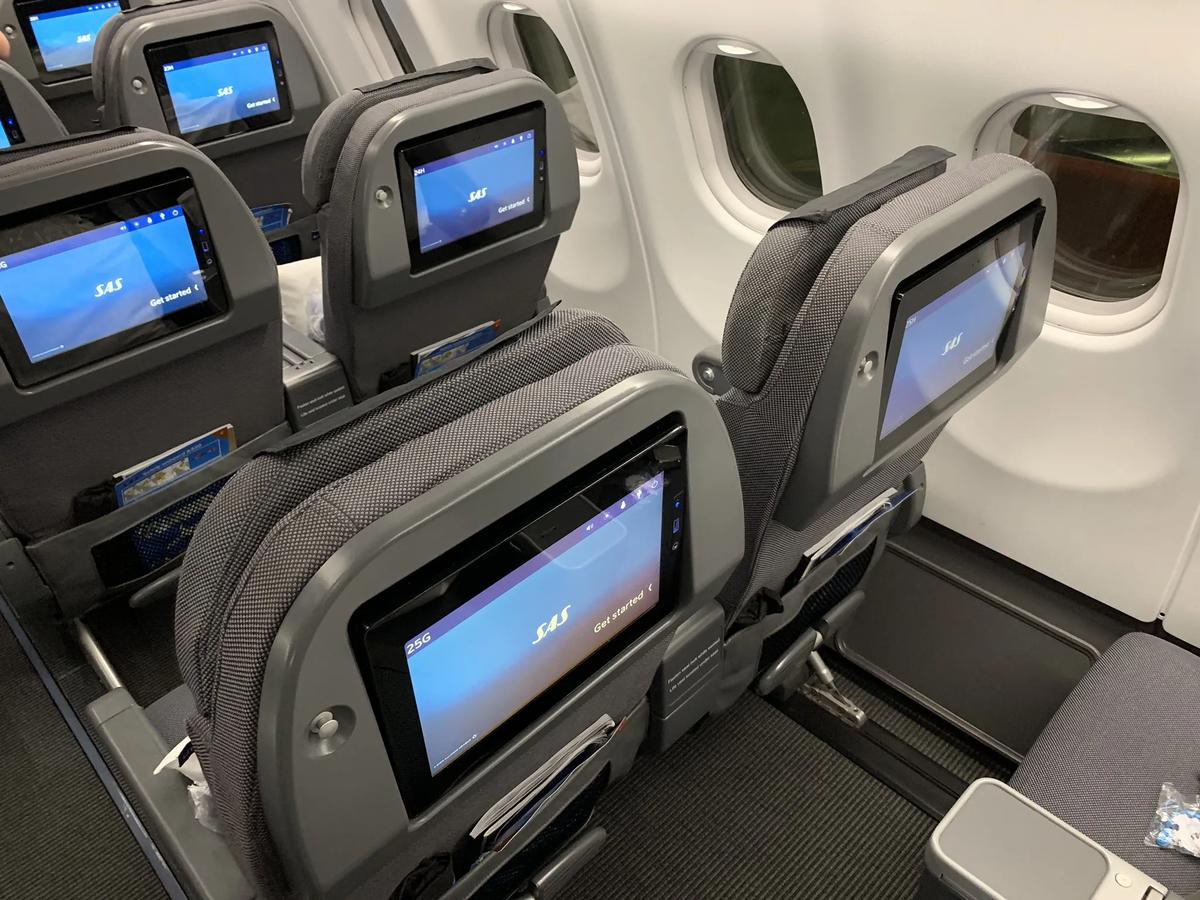
- •Focus shifts to connected seatback experience and digital integration.
- •Supports all LEO, MEO, GEO providers, avoiding airline lock‑in.
- •Existing Ka2517 terminals remain supported on Boeing, Airbus.
- •Kingswood plans selective acquisitions to expand digital cabin capabilities.
Pulse Analysis
The rise of low‑Earth‑orbit constellations has turned inflight connectivity hardware into a commodity, pressuring suppliers to find new sources of differentiation. RAVE Aerospace’s decision to halt proprietary antenna development acknowledges this market reality, allowing the firm to reallocate engineering resources toward software‑defined layers such as edge caching, PED casting, and seamless IFE‑IFC integration. By focusing on the digital ecosystem rather than the physical antenna, RAVE can offer airlines a more adaptable, cost‑effective solution that scales with evolving satellite networks.
Airlines are increasingly seeking flexibility to choose among multiple connectivity providers without being locked into a single hardware stack. RAVE’s commitment to support all LEO, MEO, GEO, and hybrid services, combined with its existing Ka2517 line‑fit terminals, gives carriers the freedom to adopt Starlink, Viasat, or other emerging constellations while maintaining a consistent seatback experience. This openness, paired with a focus on total cost of ownership and reliability, positions RAVE as a strategic partner for carriers like SAS and Lufthansa that are modernizing cabins and prioritizing passenger Wi‑Fi performance.
The backing of private‑equity firm Kingswood Capital Management adds a growth‑oriented dimension to RAVE’s strategy. Kingswood’s willingness to invest in digital platforms, global support, and selective acquisitions signals confidence that the next wave of IFEC value will come from software integration and data services rather than hardware innovation. As the industry consolidates around LEO‑driven connectivity, RAVE’s pivot could set a template for other legacy suppliers aiming to stay relevant in a rapidly changing cabin technology landscape.
RAVE Aerospace nixes proprietary antenna work as LEO shapes IFEC
0
Comments
Want to join the conversation?
Loading comments...