Aerospace News and Headlines
  • All Technology
  • AI
  • Autonomy
  • B2B Growth
  • Big Data
  • BioTech
  • ClimateTech
  • Consumer Tech
  • Crypto
  • Cybersecurity
  • DevOps
  • Digital Marketing
  • Ecommerce
  • EdTech
  • Enterprise
  • FinTech
  • GovTech
  • Hardware
  • HealthTech
  • HRTech
  • LegalTech
  • Nanotech
  • PropTech
  • Quantum
  • Robotics
  • SaaS
  • SpaceTech
AllNewsDealsSocialBlogsVideosPodcastsDigests

Aerospace Pulse

EMAIL DIGESTS

Daily

Every morning

Weekly

Sunday recap

NewsDealsSocialBlogsVideosPodcasts
AerospaceNewsRaytheon to Ramp up Missile Production in Pentagon Deals
Raytheon to Ramp up Missile Production in Pentagon Deals
Aerospace

Raytheon to Ramp up Missile Production in Pentagon Deals

•February 5, 2026
0
Defense News
Defense News•Feb 5, 2026

Companies Mentioned

Raytheon

Raytheon

RTX

RTX

RTX

Why It Matters

The ramp‑up directly addresses presidential pressure to speed defense supply chains and strengthens U.S. and allied warfighting readiness. Faster missile output improves deterrence and reduces reliance on legacy procurement timelines.

Key Takeaways

  • •Five Pentagon deals quadruple missile delivery rates.
  • •Over 1,000 Tomahawks, 1,900 AMRAAMs, 500 SM‑6s slated.
  • •Production expands in Alabama, Arizona, Massachusetts.
  • •$500 M 2026 investment upgrades munitions facilities.
  • •Trump's order forces defense firms to prioritize output over dividends.

Pulse Analysis

President Trump’s Jan. 7 executive order reshaped the defense‑industry calculus by tying shareholder payouts to production performance. By prohibiting stock buybacks until firms demonstrate "superior product, on time and on budget," the administration forced major contractors to prioritize manufacturing capacity over financial engineering. Raytheon, long criticized for slow output, responded with a public acceleration plan, signaling that political pressure can quickly translate into concrete operational changes within the defense supply chain.

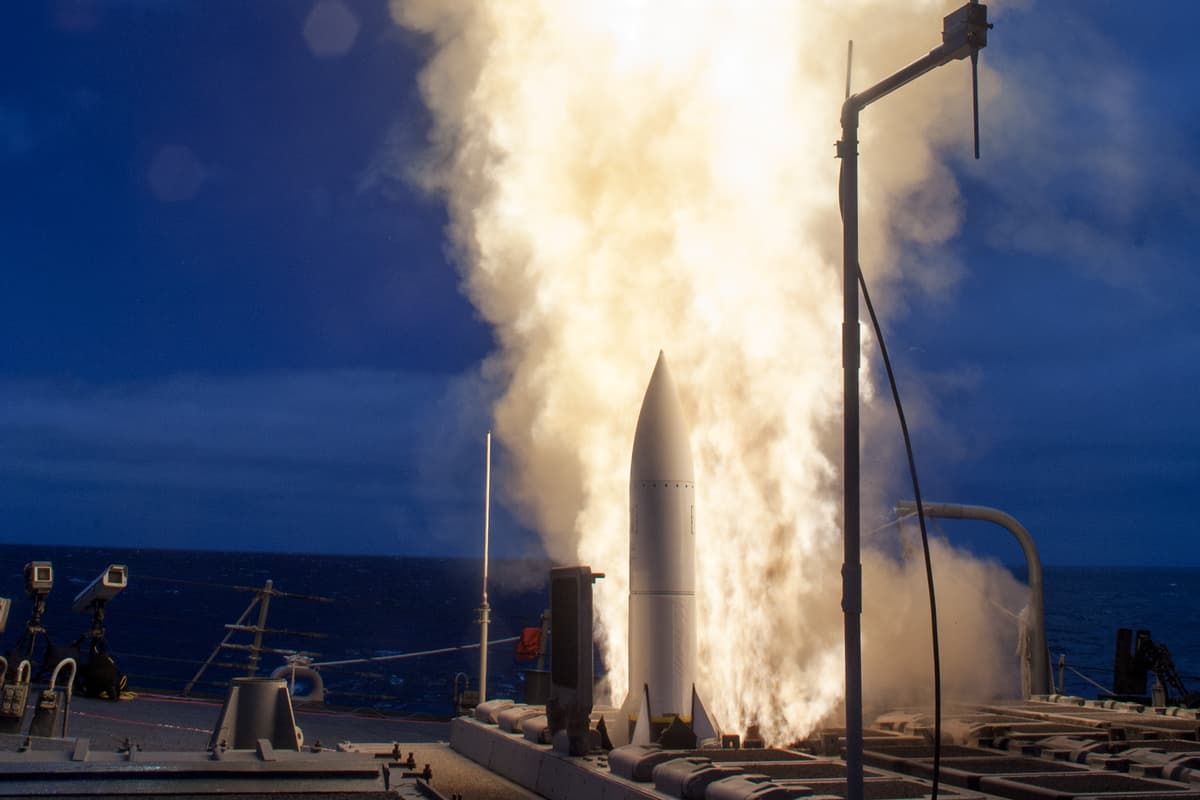
Under the five new Pentagon agreements, Raytheon will increase annual deliveries of precision munitions by as much as fourfold. The package includes over 1,000 Tomahawk cruise missiles, nearly 2,000 Advanced Medium‑Range Air‑to‑Air Missiles, and about 500 SM‑6 surface‑to‑air missiles, alongside higher output of SM‑3 IIA and IB interceptors. Production will be spread across three U.S. sites—Huntsville, Alabama; Tucson, Arizona; and Andover, Massachusetts—leveraging existing expertise while expanding capacity. This surge not only meets immediate operational gaps but also reinforces the United States’ "Arsenal of Freedom" doctrine, ensuring allies receive timely, high‑quality firepower.

The broader market sees Raytheon’s $500 million 2026 investment as a bellwether for the defense sector’s shift toward rapid manufacturing. Upgraded facilities promise longer‑term scalability, reducing future bottlenecks in missile supply. Analysts expect other contractors to emulate this model, potentially spurring a wave of similar agreements as the Pentagon seeks to modernize its acquisition strategy. For investors, the move signals a reallocation of capital from shareholder returns to tangible capability growth, aligning corporate incentives with national security priorities.

Raytheon to ramp up missile production in Pentagon deals

Raytheon, a division of RTX, announced Wednesday that it would ramp up production of several key missile systems, weeks after President Donald Trump threatened to nix the company’s government contracts unless it invested more in manufacturing.

The defense giant said it reached five agreements with the Pentagon to accelerate annual deliveries of these precision munitions — by as much as four times their current rates — including more than 1,000 Tomahawk cruise missiles, at least 1,900 Advanced Medium Range Air-to-Air Missiles and roughly 500 SM-6 missiles. Production of SM-3 IIA and SM-3 IB missile defense interceptors are also expected to rise.

“These agreements redefine how government and industry can partner to speed the delivery of critical technologies and are a direct result of the administration’s Acquisition Transformation Strategy and commitment to deliver the best technologies faster,” RTX CEO Chris Calio said in a statement.

“We are proud to support the department’s Arsenal of Freedom to ensure the United States and its allies and partners have the decisive edge — now and in the future,” he added.

Manufacturing under the deal will take place at facilities in Huntsville, Alabama; Tucson, Arizona; and Andover, Massachusetts.

The announcement follows weeks of the president piling pressure on the defense industry for moving too slowly to produce military equipment. Trump, in a sweeping Jan. 7 executive order, prohibited stock buybacks and dividends at companies until “they are able to produce a superior product, on time and on budget.”

“I am committed to ensuring that the United States military possesses the most lethal warfighting capabilities in the world,” the order reads. “While the United States produces the best military equipment in the world, we do not make enough of it quickly enough to meet the needs of our military and our partners.”

The order also gave Secretary of Defense Pete Hegseth authority to review firms who are deemed “underperforming” and, where necessary, implement remediations to address shortfalls.

Trump at the time singled out Raytheon, calling it “the least responsive to the needs of the Department of War, the slowest in increasing their volume, and the most aggressive in spending on their Shareholders rather than the needs and demands of the United States Military.”

He warned that the Pentagon would cut business ties with the company unless it “steps up” on investment in plants and equipment.

RTX, during a post earnings call last week, said it plans to make a $500 million increase in investments in 2026, enhancing facilities that make munitions.

Read Original Article
0

Comments

Want to join the conversation?

Loading comments...