‘Reality Check’ for Japan as Britain’s Funding Shortfall Threatens Fighter Jet Project
Companies Mentioned
Why It Matters
A postponed GCAP rollout jeopardises Japan’s ability to replace obsolete fighters, potentially eroding its air‑defence posture amid rising Chinese capabilities. The funding gap also tests the reliability of European allies as alternatives to the United States for Tokyo’s security strategy.
Key Takeaways
- •Britain’s defence budget delay could push GCAP rollout to early 2030s
- •Japan may need to extend service life of its aging F‑2 fleet
- •Alternative aircraft options include Sweden’s Gripen as a stop‑gap solution
- •Delays risk weakening Japan’s deterrence against China’s expanding air force
- •Canada, Australia and others are monitoring the project's future viability
Pulse Analysis
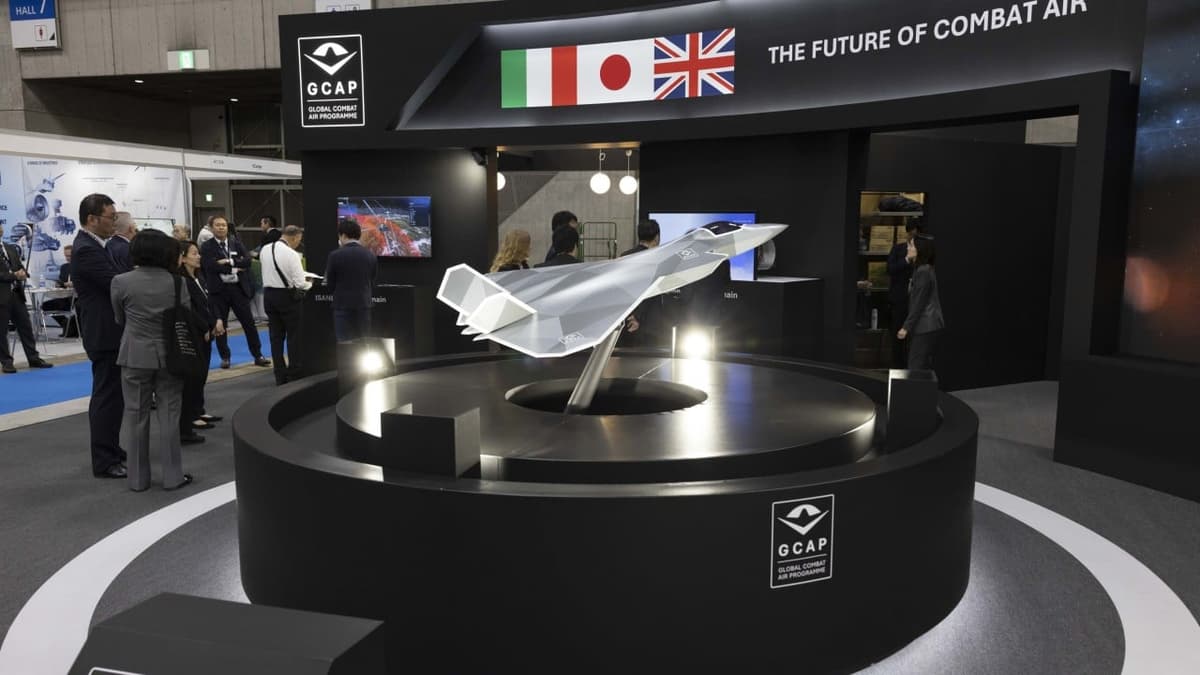
The Global Combat Air Programme (GCAP) brings together the United Kingdom, Japan and Italy to develop a sixth‑generation fighter that could replace legacy platforms such as Japan’s F‑2 and Britain’s Typhoon. Originally slated for a 2035 entry‑into‑service, the project now faces a funding bottleneck as Britain’s Defence Investment Plan stalls, pushing the expected release of cash to the mid‑2030s. This delay not only threatens the technical schedule but also raises questions about the governance of multinational defence collaborations, where divergent budget cycles can derail joint timelines.
For Japan, the postponement is more than a bureaucratic inconvenience. With over 90 F‑2s approaching the end of their service life, the country must decide whether to extend their operational use, acquire a proven interim platform, or accelerate domestic development—each option carrying significant cost and capability trade‑offs. China’s rapid fielding of the J‑20 and the upcoming J‑36 underscores the urgency; a prolonged capability gap could erode Japan’s air‑defence credibility in contested regions like the East China Sea. Consequently, Tokyo is evaluating alternatives such as Sweden’s Gripen or expanding its F‑35 fleet, despite limited availability from the United States.
Strategically, the GCAP hiccup serves as a reality check on Europe’s role as a defence partner for Japan. While diversifying away from sole reliance on the U.S. aligns with Tokyo’s broader security agenda, the British funding shortfall may push Japan to invite additional allies—Canada, Australia, Germany—to share development risk and cost. If the partnership can be salvaged, it could set a precedent for future multilateral projects; if not, Japan may accelerate other collaborative avenues, reshaping the balance of defence procurement in the Indo‑Pacific.
‘Reality check’ for Japan as Britain’s funding shortfall threatens fighter jet project
Comments
Want to join the conversation?
Loading comments...