Why It Matters
The booster anomaly jeopardizes ULA’s aggressive 2026 launch schedule and strains its critical relationship with the Space Force, which could shift national‑security missions to competitors.
Key Takeaways
- •Vulcan launch experienced solid‑rocket motor performance anomaly
- •ULA targets 16‑18 Vulcan flights in 2026
- •Space Force pauses national‑security launches pending investigation
- •ULA CEO Tory Bruno left for Blue Origin
- •Acting CEO John Elbon oversees transition amid backlog
Pulse Analysis
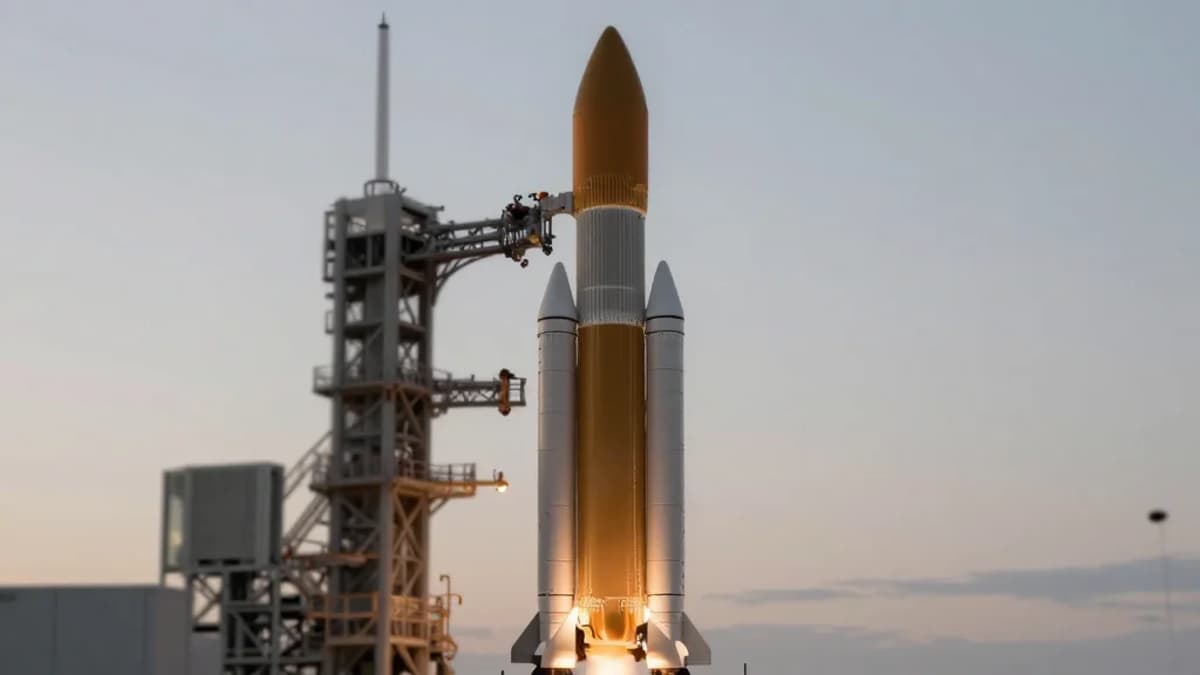
The February 12 anomaly underscores the technical challenges still facing Vulcan Centaur as it matures. While the rocket completed its ascent and delivered the Space Force payload, a sudden shower of sparks and intermittent debris from one solid booster raised concerns about manufacturing tolerances and booster integration. This mirrors the Cert‑2 nozzle‑loss incident, suggesting a possible systemic issue that ULA must resolve before scaling up its launch cadence. A thorough root‑cause analysis will be essential not only for safety but also for restoring confidence among government customers who demand flawless performance for high‑value missions.
ULA’s strategic outlook hinges on meeting its ambitious 2026 launch targets, which aim for up to 18 Vulcan flights alongside a reduced Atlas 5 schedule. Achieving this rate would position the company as a credible alternative to SpaceX’s dominant market share and keep the joint Boeing‑Lockheed venture viable amid intense competition. However, the leadership upheaval—Tory Bruno’s departure to Blue Origin and John Elbon’s interim stewardship—adds uncertainty to execution. Bruno’s tenure saw Vulcan’s certification and a streamlined product line, but his exit raises questions about continuity in engineering oversight and long‑term vision, especially as the company navigates a crowded launch market that now includes Ariane 6’s expanding cadence.
The relationship with the U.S. Space Force is the linchpin of ULA’s future. The recent pause on national‑security payloads reflects growing frustration within the Pentagon over launch delays and reliability concerns, prompting the service to reassign some missions to SpaceX’s Falcon 9. Yet ULA retains a robust backlog exceeding 80 missions, including Amazon’s Leo broadband constellation, indicating sustained commercial demand. Restoring trust will require transparent communication of investigation findings, rapid implementation of corrective actions, and a demonstrable track record of on‑time, anomaly‑free flights. Success in these areas could reaffirm Vulcan’s role as a cornerstone of U.S. national‑security launch capability while allowing Ariane 6 to continue its parallel growth trajectory.
Reforging Vulcan
0
Comments
Want to join the conversation?
Loading comments...