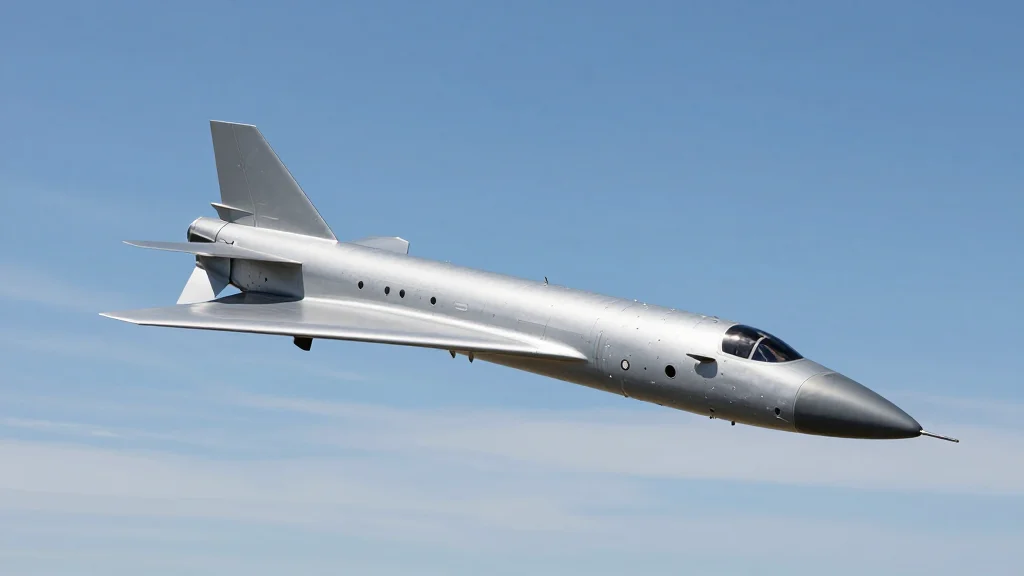
Russia Deploys Hypersonic Oreshnik Missile in Massive Kyiv Assault, Killing 2 and Wounding 83

Why It Matters
The use of the Oreshnik missile signals a pivotal shift in the aerospace dimension of the Ukraine war, showcasing Russia’s confidence in hypersonic technology that it claims can bypass existing missile‑defense layers. For NATO and its partners, the strike forces a reassessment of air‑defense readiness, accelerating procurement of next‑generation interceptors and prompting renewed investment in radar and sensor networks capable of tracking ultra‑fast, maneuverable threats. Beyond the immediate battlefield, the incident reverberates through global non‑proliferation and arms‑control discussions. By deploying a system that blurs the line between conventional and nuclear‑capable delivery, Moscow may be testing the thresholds of strategic stability, compelling the United States and Europe to articulate clearer red lines and potentially negotiate new constraints on hypersonic weapons.
Key Takeaways
- •Russia confirmed the use of a hypersonic Oreshnik missile in a Kyiv strike, the third deployment in the war.
- •The coordinated attack involved 600 drones and 90 missiles, with Ukrainian defenses destroying 549 drones and jamming 55 missiles.
- •Casualties: at least 2 civilians killed and 83 wounded; other reports cite up to 100 injured.
- •President Vladimir Putin claimed the Oreshnik travels at Mach 10 and is immune to missile defense systems.
- •EU leaders condemned the strike; NATO allies are urged to accelerate hypersonic‑defense capabilities.
Pulse Analysis
The Oreshnik strike is less a tactical surprise than a strategic statement. By fielding a weapon that it advertises as invulnerable to current missile defenses, Russia is attempting to reshape the cost‑benefit calculus of the conflict. For Ukraine, the lesson is stark: even a robust, Western‑supplied air‑defense umbrella can be overwhelmed by sheer volume and speed. This reality will likely drive Kyiv to prioritize layered, multi‑domain defenses that integrate electronic warfare, directed‑energy systems, and rapid‑response interceptors.
From a broader aerospace industry perspective, the incident could catalyze a wave of funding for hypersonic detection and interception technologies. U.S. defense contractors are already racing to field boost‑glide interceptors and space‑based tracking assets, while European firms are lobbying for joint programs to close the hypersonic gap. The commercial sector may also feel indirect effects; heightened geopolitical tension often spurs government contracts for satellite‑based early‑warning services, benefitting firms that specialize in high‑resolution imaging and data analytics.
Politically, the Oreshnik deployment tests the resolve of Western allies. The EU’s swift condemnation and promise of “dialing up pressure” suggest a willingness to impose diplomatic costs, yet concrete actions—such as expanding sanctions or delivering advanced interceptors—remain to be seen. If Moscow continues to leverage hypersonic strikes as a bargaining chip, the next phase of the conflict could pivot from kinetic battles to a high‑stakes game of deterrence, where the perception of invulnerability may prove as decisive as any physical damage inflicted.
Russia Deploys Hypersonic Oreshnik Missile in Massive Kyiv Assault, Killing 2 and Wounding 83
Comments
Want to join the conversation?
Loading comments...