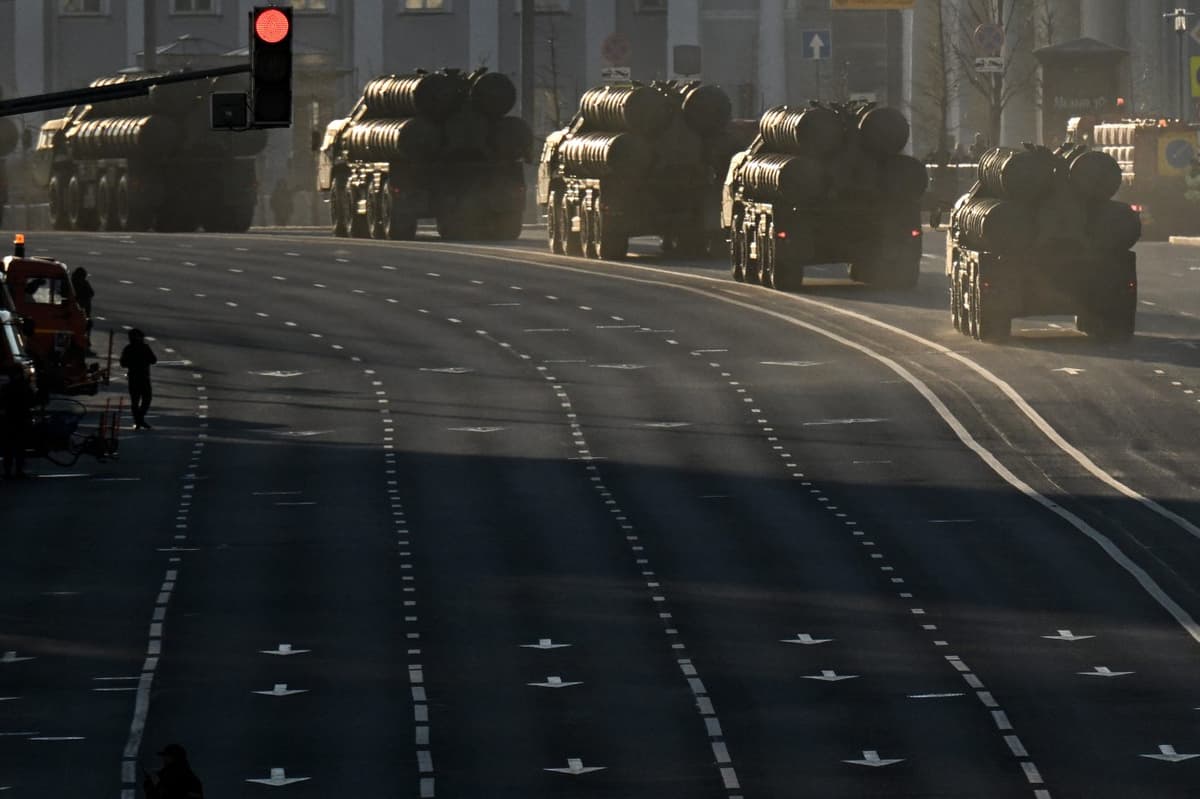
Russia Fortifies Moscow With S-500 and S-400 Air Defense Systems by Stripping Other Regions: Zelensky
Companies Mentioned
Why It Matters
Concentrating elite air‑defence assets protects Russia’s political core but leaves the rest of the country more exposed to Ukrainian strikes, potentially degrading its overall war‑fighting capability and affecting energy supplies.
Key Takeaways
- •Hundreds of S‑400, S‑500, Pantsir launchers moved to Moscow, Valdai, Kerch.
- •Russia reallocates air defenses, leaving other regions with minimal coverage.
- •Ukrainian drone strikes on Moscow refinery force airport shutdowns.
- •Kerch Bridge attacks threaten Crimea supply line and Russian logistics.
Pulse Analysis
Zelensky’s June 24 video address highlighted a dramatic reshuffling of Russia’s most advanced air‑defence systems. By pulling S‑400, S‑500 and Pantsir launchers from peripheral districts and massing them around Moscow, the Valdai presidential estate and the strategic Kerch Bridge, Russia aims to create a layered shield against the escalating Ukrainian drone campaign. The claim of roughly 90 launchers redeployed to Valdai underscores the Kremlin’s priority to safeguard its political nerve centre and the critical Crimea corridor, even as other regions see their air‑defence posture thinned.
The redeployment reflects a reactive strategy to Ukraine’s recent high‑profile attacks, notably the June drone strike that crippled the Moscow oil refinery—Russia’s primary fuel source for the capital—and forced a temporary shutdown of regional airports. With the refinery likely offline for six months, Russia faces heightened fuel shortages and rising domestic energy prices. Stripping air‑defence assets from areas such as Siberia, the Volga region and the Urals could make those zones more vulnerable to further Ukrainian strikes on energy infrastructure, potentially accelerating the degradation of Russia’s logistical network and war‑fighting sustainment.
For analysts and investors, the shift signals heightened risk for Russian energy exports and domestic stability. A fortified Moscow may protect the political elite, but the weakened peripheral air‑defence could invite more successful Ukrainian attacks on pipelines, refineries and transport hubs, tightening global oil markets and pushing prices upward. NATO observers may view the concentration of S‑400/S‑500 systems as a signal of Russia’s defensive desperation, influencing future arms‑sale decisions and strategic posturing in Eastern Europe. The evolving air‑defence landscape thus carries implications for regional security, energy security and market volatility.
Russia Fortifies Moscow With S-500 and S-400 Air Defense Systems by Stripping Other Regions: Zelensky
Comments
Want to join the conversation?
Loading comments...