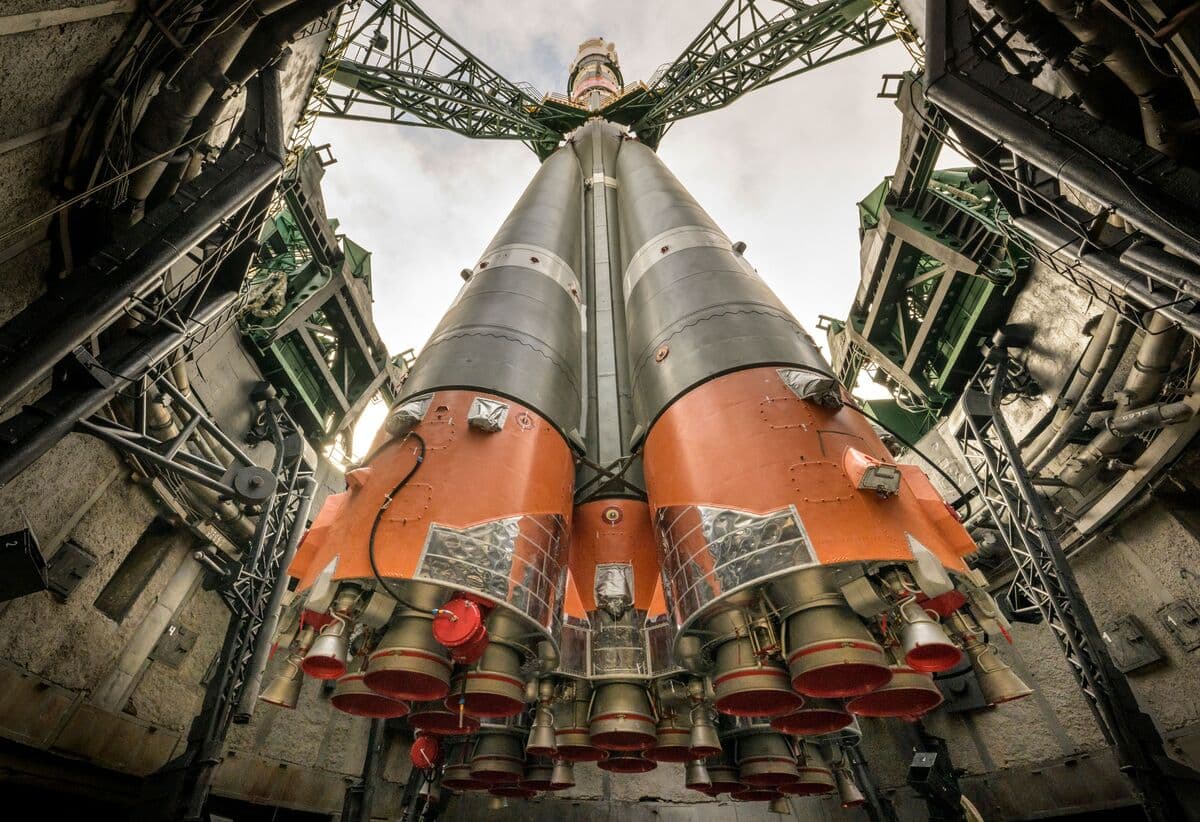
Russia Plans to Launch Crewed Spacecraft From Baikonur in July
Why It Matters
The mission revives Russia’s human‑spaceflight capability from Baikonur and signals renewed US‑Russia partnership, potentially influencing future ISS or lunar projects.
Key Takeaways
- •First Russian crewed launch from Baikonur in over a decade
- •NASA astronaut joins Russian cosmonauts, marking US‑Russia joint mission
- •Launch scheduled for July 14, 2026, per Roscosmos chief
- •Mission aims to boost Roscosmos credibility and international collaboration
Pulse Analysis
Baikonur Cosmodrome, the world’s oldest operational spaceport, has been the launchpad for Soviet and Russian milestones since 1957. After a series of technical setbacks and the suspension of crewed flights following the 2022 geopolitical fallout, Russia’s decision to send a three‑person crew from Baikonur in July signals a strategic revival of its human‑spaceflight program. The site, located in Kazakhstan, remains under a long‑standing lease agreement, allowing Roscosmos to leverage existing infrastructure while reducing the need for costly new facilities. The continued Russian presence at Baikonur also supports Kazakhstan’s space industry development.
The crew composition—two Russian cosmonauts and one NASA astronaut—carries symbolic weight beyond the technical objectives. It marks the first joint Russian‑American mission launched from Baikonur since the Cold War era, reflecting a tentative thaw in bilateral space cooperation despite broader political tensions. For NASA, participation offers a cost‑effective avenue to maintain a presence on the International Space Station and to gather data for future Artemis lunar endeavors. For Russia, the partnership helps restore credibility after recent launch failures. Both agencies view the flight as a rehearsal for deeper collaborative missions beyond low Earth orbit.
Industry analysts see the mission as a bellwether for the next phase of low‑Earth‑orbit activity, where government agencies and commercial players increasingly intersect. A successful Baikonur launch could pave the way for joint research, technology sharing, and potentially a new era of multinational crewed missions to lunar orbit or deep‑space habitats. It also pressures private launch providers to innovate, as national agencies demonstrate that legacy infrastructure can still compete with emerging reusable rockets. Success could also accelerate policy frameworks for shared orbital resources and debris mitigation. The outcome will likely influence funding decisions and diplomatic negotiations in the coming years.
Russia Plans to Launch Crewed Spacecraft From Baikonur in July
Comments
Want to join the conversation?
Loading comments...