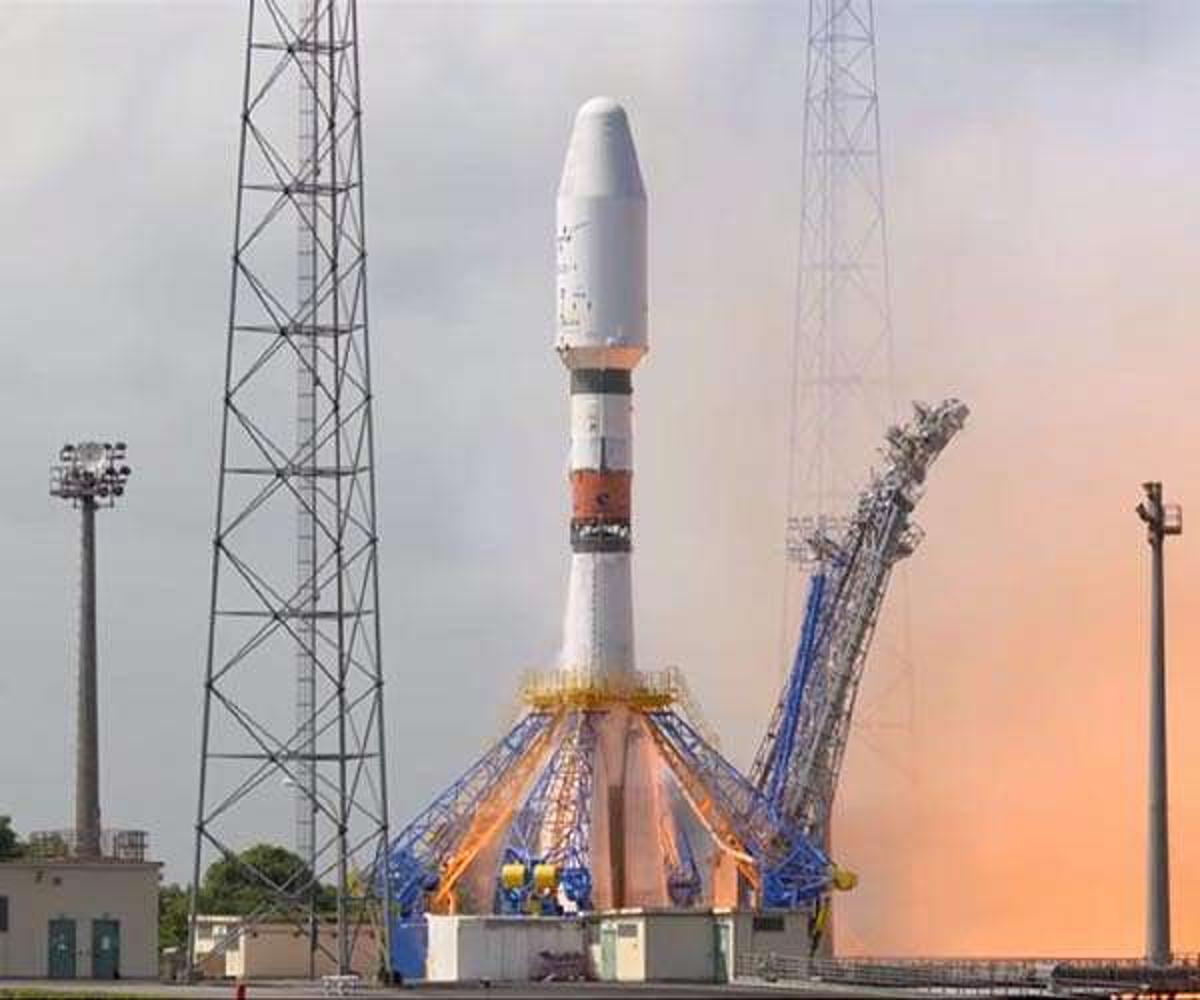
Russian Era Ends at Abandoned Launchpad in South American Jungle
•February 19, 2026
0
Companies Mentioned

Why It Matters
The handover marks a strategic shift toward European launch independence and repurposes Cold‑War‑era assets for next‑generation commercial spaceflight. It also underscores how geopolitical tensions can reshape the global launch market.
Key Takeaways
- •Russia abandoned Kourou launchpad in 2022 due sanctions.
- •MaiaSpace acquired site to build reusable light rocket.
- •Redevelopment aims for first flight by year‑end 2026.
- •Existing Russian infrastructure mostly slated for scrap.
- •Site repurposing signals shift in European space autonomy.
Pulse Analysis
The Kourou launchpad’s sudden vacancy illustrates how sanctions can instantly disrupt international space cooperation. When Russia withdrew, the concrete‑heavy complex fell into disuse, allowing tropical vegetation to overtake a once‑vital gateway to orbit. This abrupt cessation left a rare, fully built launch infrastructure on the equatorial belt, a strategic asset that European stakeholders quickly recognized as a catalyst for their own ambitions.
MaiaSpace’s acquisition of the site signals Europe’s accelerating push for a home‑grown, reusable launch capability. By adapting the existing rails and integration building, the French start‑up can sidestep the lengthy construction of a brand‑new pad, shortening the timeline to its inaugural flight slated for late 2026. The company’s lightweight rocket, assembled horizontally and rolled out at the last minute, diverges from the heavy‑lift, vertical‑assembly paradigm that dominated the Russian Soyuz era, aligning with market demand for rapid, low‑cost access to low‑Earth orbit.
Beyond the technical transition, the redevelopment reflects broader industry trends toward supply‑chain resilience and geopolitical autonomy. As the United States, China, and emerging private players expand launch capacity, Europe’s ability to repurpose legacy sites reduces dependence on foreign launch services and mitigates risk from future sanctions. The scrapping of Russian gantries and the retention of only essential integration hardware illustrate a pragmatic approach: preserve value where possible, discard obsolete structures, and re‑engineer the site for a new generation of commercial missions, positioning Europe as a competitive player in the crowded small‑satellite market.
Russian era ends at abandoned launchpad in South American jungle
0
Comments
Want to join the conversation?
Loading comments...