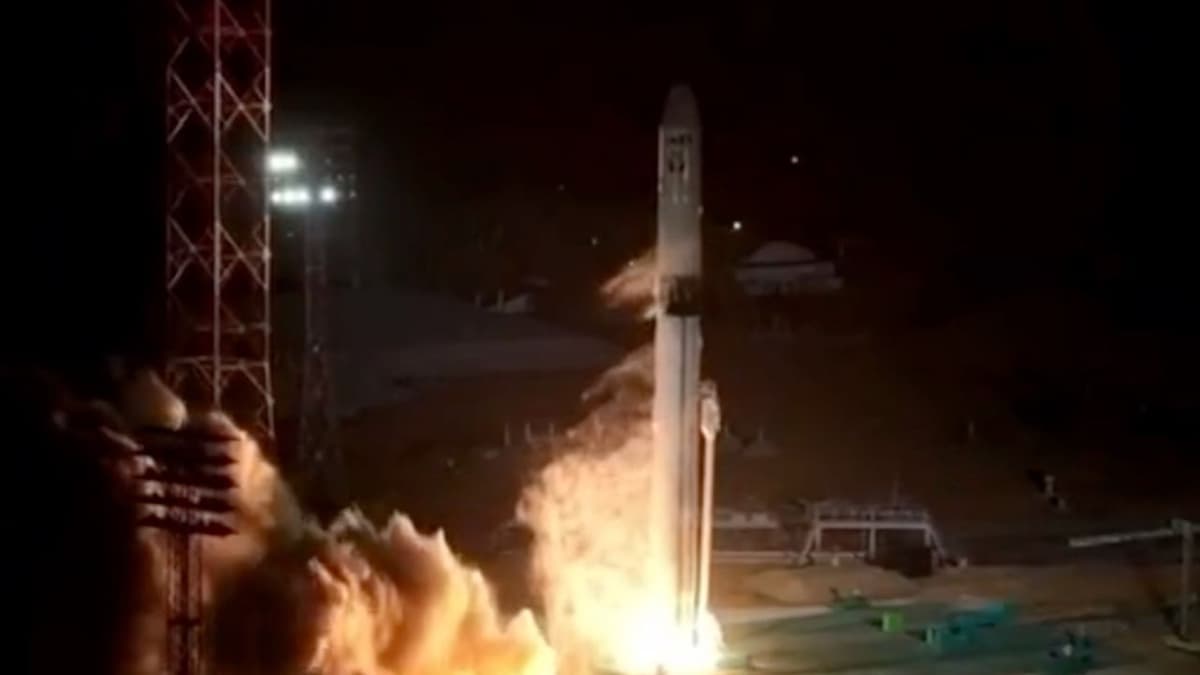
Russia's New Homegrown Soyuz 5 Rocket Aces Debut Launch
Why It Matters
Soyuz 5 gives Russia a home‑grown medium‑class launcher, reducing reliance on foreign technology and signaling a bid to regain market share after sanctions. Its performance will influence Russia’s ability to attract customers and support future super‑heavy launch projects.
Key Takeaways
- •Soyuz 5 lifted off from Baikonur on April 30, 2024
- •Rocket delivers 20 tons to low‑Earth orbit, comparable to Falcon 9
- •First stage and second stage performed as planned, per Roscosmos
- •Soyuz 5 is fully expendable, unlike SpaceX’s reusable Falcon 9
- •Launch aims to restore Russia’s competitiveness in international launch market
Pulse Analysis
The Soyuz 5 represents the culmination of a seven‑year development program launched in 2017 to fill a strategic gap left by the loss of Ukraine’s Zenit rockets. By creating a wholly Russian medium‑class booster, Roscosmos seeks to secure an independent supply chain for both domestic missions and potential export contracts. The timing aligns with heightened geopolitical tension, as the 2022 invasion of Ukraine forced Russia to re‑engineer its space infrastructure and cut off long‑standing collaborations with Western partners.
Technically, Soyuz 5 can lift roughly 20 tons to low‑Earth orbit, placing it in the same class as SpaceX’s Falcon 9, which carries about 25 tons. However, the Russian vehicle is entirely expendable, whereas Falcon 9’s first stage is routinely recovered and reused, driving down launch costs. This fundamental difference means Soyuz 5 will likely command higher per‑kilogram pricing, limiting its appeal to cost‑sensitive commercial customers. Nonetheless, the successful test flight demonstrates reliable stage performance, a prerequisite for any future upgrades or integration into a larger launch architecture.
Looking ahead, the Soyuz 5 could serve as the first stage for Russia’s planned super‑heavy rocket, positioning the nation to compete in deep‑space and lunar missions. Yet, the loss of most international launch partnerships after the Ukraine conflict raises questions about the vehicle’s commercial viability abroad. Domestically, the rocket may support satellite constellations, scientific payloads, and military missions, reinforcing Russia’s strategic autonomy. Its debut signals a tentative step toward re‑establishing a foothold in the competitive global launch market, though sustained success will depend on cost competitiveness and geopolitical stability.
Russia's new homegrown Soyuz 5 rocket aces debut launch
Comments
Want to join the conversation?
Loading comments...