Russia’s Ongoing Hissy Fit: Zvezda Module on the International Space Station
Why It Matters
The leak highlights the aging Russian hardware’s impact on ISS safety and underscores the necessity of U.S.–Russia cooperation to maintain continuous station operations.
Key Takeaways
- •Leak detected in Zvezda's transfer chamber during pressurization.
- •First leak sealed with Germetal‑1; second leak pending repair.
- •Cracks in the tunnel have persisted since 2019, prompting monitoring.
- •NASA crew temporarily relocated to Crew Dragon, now back on ISS.
- •Roscosmos and NASA continue joint mitigation to ensure long‑term module integrity.
Pulse Analysis
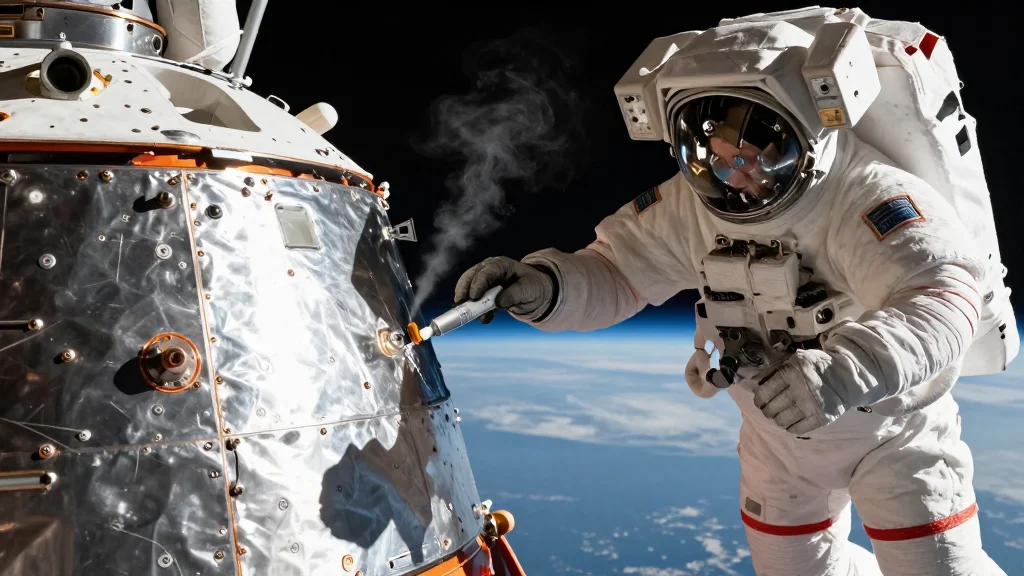
The Zvezda service module, launched in 2000 as Russia’s flagship contribution to the International Space Station, houses the station’s primary living quarters, life‑support systems, power distribution and the docking ports for Soyuz and Progress vehicles. On 5 June, ISS engineers noticed a pressure drop while repressurizing Zvezda’s transfer chamber, prompting an immediate inspection that uncovered two air‑leak sites. The first breach was quickly sealed with a two‑component sealant, Germetal‑1, while a second leak on the chamber’s conical section remains under preparation for repair.
The transfer tunnel has been a known weak point since 2019, when micro‑cracks first appeared and caused minor atmospheric losses. Roscosmos has since applied a series of temporary and permanent sealants, but the recent incident highlights the difficulty of maintaining legacy hardware in a harsh orbital environment. NASA responded by temporarily moving its astronauts to the docked Crew Dragon capsule, ensuring crew safety while the Russian segment performed the fix. Pressure aboard the ISS remains stable, and no critical systems have been affected.
The episode underscores the continued interdependence of U.S. and Russian partners on the ISS, even as commercial crew vehicles expand the station’s crew‑transport options. Persistent leaks could accelerate the need for module upgrades or replacement, influencing the timeline for the station’s planned de‑orbit in the late 2030s. For commercial operators, reliable Russian segment functionality remains essential for docking and resupply, making joint mitigation efforts a strategic priority. Ongoing monitoring and proactive repairs will be vital to preserve the ISS’s operational lifespan and scientific output.
Russia’s Ongoing Hissy Fit: Zvezda Module on the International Space Station
Comments
Want to join the conversation?
Loading comments...