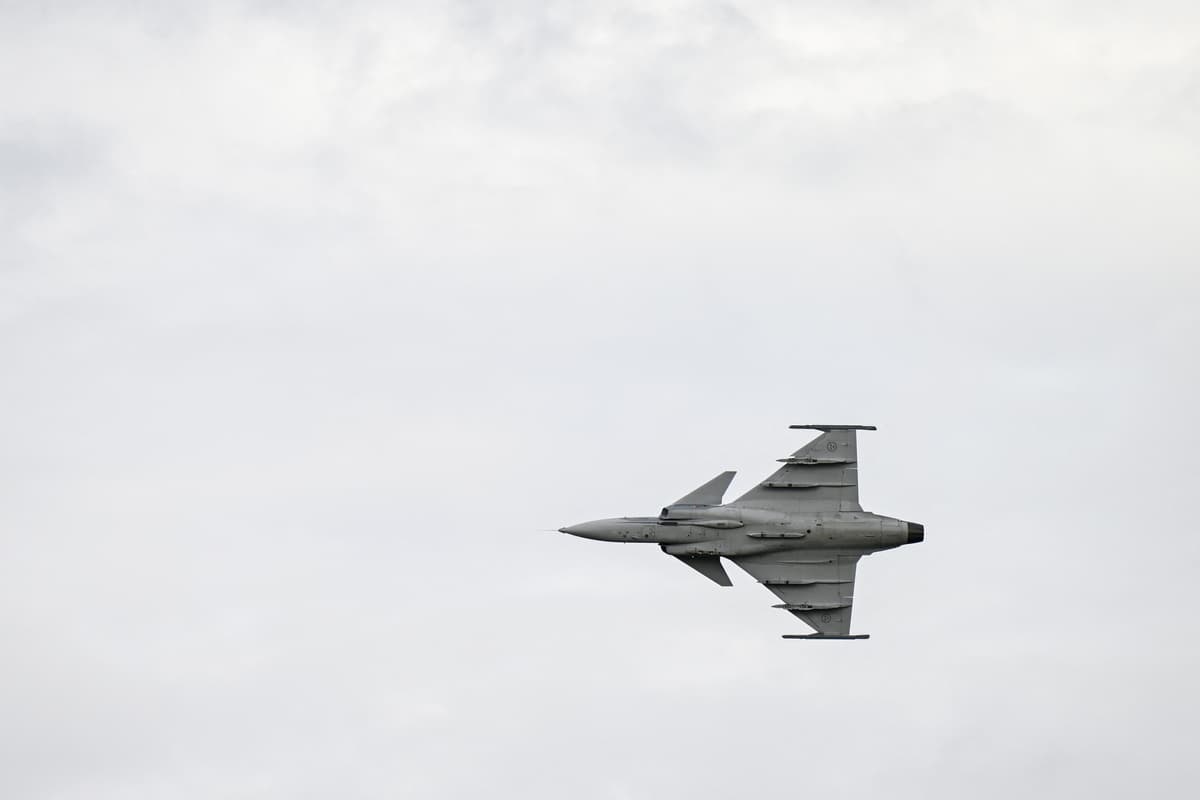
Saab Floats Gripen Production Hub in Canada, if Ottawa Were Willing
Companies Mentioned
Why It Matters
A Canadian production hub would deepen domestic aerospace capabilities, create thousands of jobs, and position Canada as an export player in the global fighter market, influencing defense procurement dynamics across NATO.
Key Takeaways
- •Saab proposes Canadian Gripen production line serving exports
- •Potential line could create ~10,000 Canadian jobs
- •Canada reviewing mixed fleet of F‑35 and Gripen
- •Production rate target 36 aircraft annually across sites
- •Facility may support Ukrainian Gripen order over 100
Pulse Analysis
Saab’s latest pitch to Ottawa reflects a broader shift in North American defense procurement, where governments are weighing the benefits of diversified fighter fleets. By offering a "Made‑in‑Canada" Gripen, Saab aims to complement the already‑planned F‑35 acquisition, providing a cost‑effective, multirole platform that can be produced domestically. This approach aligns with Canada’s strategic review, which seeks to balance high‑end stealth capabilities with more affordable, adaptable aircraft, while also mitigating supply‑chain risks associated with single‑source sourcing.
Beyond the immediate military advantages, the proposed production line promises significant economic ripple effects. Saab estimates up to 10,000 jobs could emerge across the Canadian aerospace sector, leveraging the country’s expertise in software, avionics, and airframe manufacturing. The involvement of local partners in build, sustainment, and upgrade contracts would stimulate regional supply chains, fostering innovation and skill development. Moreover, positioning Canada as an export hub could open new revenue streams, especially if the facility fulfills prospective orders from allies such as Ukraine, enhancing Canada’s standing in the global defense market.
Strategically, a mixed fleet of F‑35s and Gripens could give Canada greater operational flexibility and resilience. While the F‑35 offers stealth and advanced sensor fusion, the Gripen provides rapid turnaround, lower operating costs, and the ability to operate from austere bases. This combination may appeal to NATO partners seeking interoperable yet diversified capabilities. If the Canadian hub materializes, it could set a precedent for other nations to pursue co‑production models, reshaping how advanced fighter programs are financed and delivered worldwide.
Saab floats Gripen production hub in Canada, if Ottawa were willing


Comments
Want to join the conversation?
Loading comments...