Sateliot Selects PLD Space to Launch Two 5G Direct-to-Device Satellites
•February 17, 2026
0
Why It Matters
The deal strengthens Europe’s sovereign satellite‑communication capabilities while showcasing a home‑grown launch system that could lower costs and accelerate 5G satellite services for defense and civilian markets.
Key Takeaways
- •Sateliot contracts PLD Space for 2027 MIURA 5 launch.
- •Two 160 kg Tritó satellites will deliver 5G D2D connectivity.
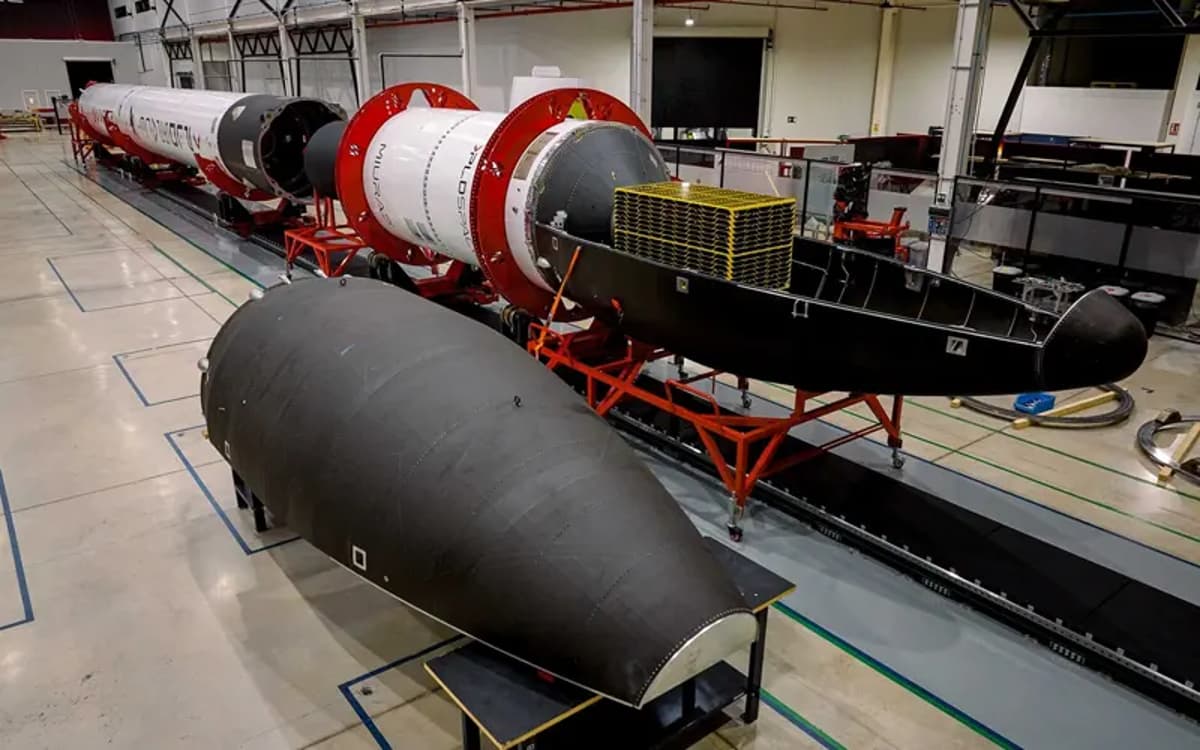
- •MIURA 5 can lift up to 1,040 kg to LEO.
- •Launch supports European autonomy in satellite communications.
- •PLD aims to reuse MIURA 5 by 2030 with Block 1.1.
Pulse Analysis
Sateliot’s move to launch its Tritó satellites on a dedicated MIURA 5 flight reflects a broader industry shift toward satellite‑based 5G services that can bypass terrestrial network bottlenecks. By delivering direct‑to‑device connectivity, the satellites will enable IoT devices and mobile users to access high‑speed data even in remote or disaster‑affected regions, a capability increasingly demanded by both commercial operators and defense agencies. The partnership also highlights Sateliot’s strategy to diversify its launch portfolio, reducing reliance on non‑European providers and aligning with its mission of European sovereignty.
PLD Space, a relatively young European launch company, is positioning MIURA 5 as a versatile, medium‑lift vehicle capable of serving niche payloads that larger rockets overlook. With a payload capacity of 1,040 kg to low‑Earth orbit and a launch site at the historic Guiana Space Centre, MIURA 5 offers dedicated, single‑customer missions that can tailor orbital parameters and schedule. The company’s roadmap includes an early reusable variant, Block 1.1, slated for recovery tests within four years, paving the way for the larger MIURA NEXT family expected in the 2030s. This incremental reuse strategy could lower launch costs and attract more European satellite operators.
The collaboration carries strategic implications beyond commercial revenue. By keeping design, manufacturing, and launch operations within Europe, both Sateliot and PLD Space reinforce the continent’s strategic autonomy in critical communications infrastructure. The satellites’ dual‑use capability—supporting civilian IoT traffic and providing a resilient backup for defense communications—addresses growing concerns over network resilience in contested environments. As 5G networks proliferate and demand for low‑latency, ubiquitous coverage rises, Europe’s ability to field its own satellite‑based 5G layer could become a decisive factor in maintaining competitive parity with global rivals.
Sateliot Selects PLD Space to Launch Two 5G Direct-to-Device Satellites
0
Comments
Want to join the conversation?
Loading comments...