Airbus
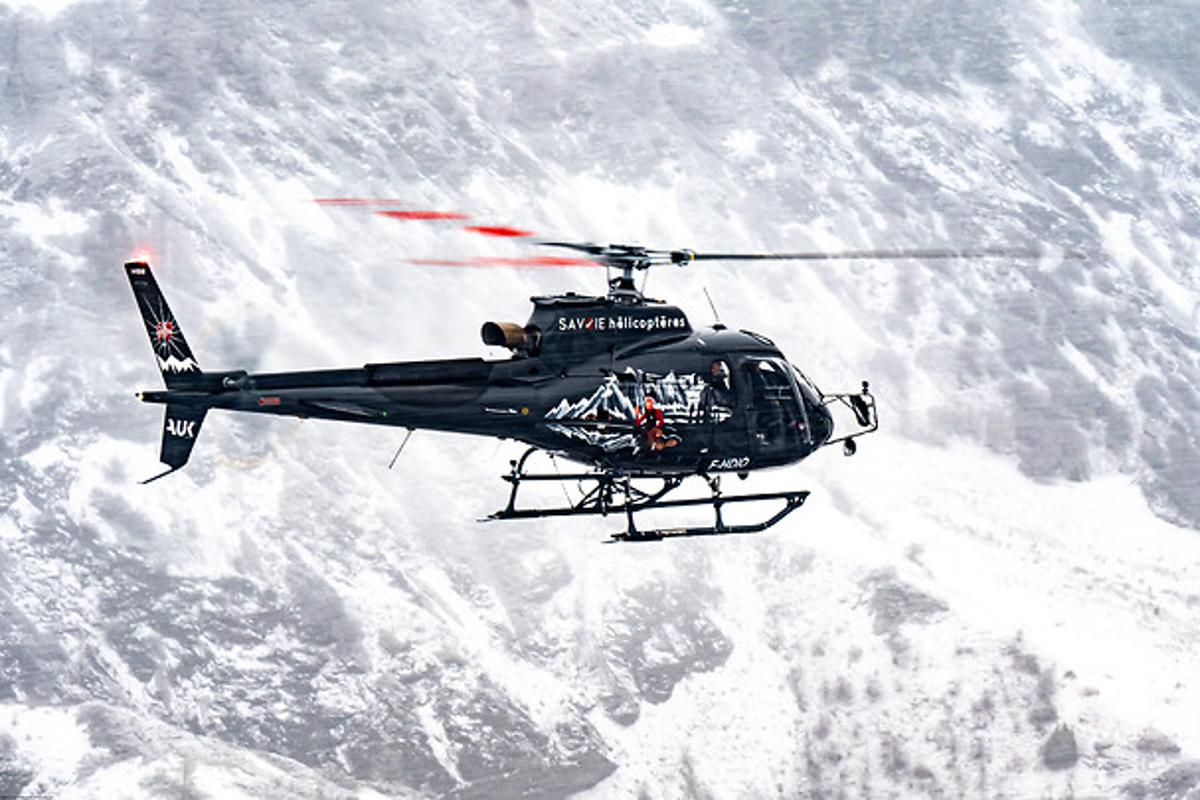
Efficient, helicopter‑based avalanche control reduces road and ski‑area closures, protecting lives and tourism revenue. The H125’s performance sets a benchmark for aerial work in hazardous mountain environments.
Avalanche control is a critical safety function for ski resorts and mountain highways, where uncontrolled snow slides can halt tourism and endanger communities. Traditional ground‑based methods are labor‑intensive and limited by terrain, prompting operators to turn to helicopters for rapid, wide‑area coverage. By deploying lightweight explosive emulsions in 2 kg batches, crews can safely transport munitions aloft, minimizing on‑site handling risks while ensuring precise charge placement.
The Airbus H125 has become the workhorse for these missions due to its combination of power, maneuverability and low operating costs. Its single‑engine design delivers high lift in thin mountain air, while the spacious cabin accommodates a pilot, a blaster and an assistant, enabling coordinated charge deployment. The aircraft’s responsive controls allow pilots to hover close to steep valley walls, position the helicopter for optimal blast angles, and retreat swiftly before detonation. These capabilities translate into faster slope reopening after heavy snowfall, directly supporting the economic lifelines of Alpine resorts.
For Savoie Hélicoptères, the H125 underpins a diversified aerial‑service portfolio that includes passenger transport, firefighting and utility work. Maintaining a modest fleet of five helicopters and a lean 15‑person team fosters operational flexibility and tight safety oversight. As climate variability drives more extreme weather events, demand for reliable mountain‑air operations is expected to rise, positioning firms that master H125‑based workflows at a competitive advantage in the European aerial‑work market.
Mon 02 Feb 2026 13:24 UTC
In ski areas or near mountain roads, triggering avalanches helps to control the risk that comes with heavy snowfall, which can destabilise packed snow. This preventative work is mainly done by helicopter, ensuring efficiency for the teams involved.
“Skiers sometimes think they are in an amusement park, but the mountains remain a dangerous natural environment,” emphasises Pierre Alexis, a ski patroller and avalanche‑control specialist in the Haute‑Savoie region since 1987. “After heavy snowfall, it is vital to act quickly so we can anticipate risks and prevent accidents.”
Each mission begins with a detailed briefing the day before the flight. The firing points are clearly identified, the number of explosive charges is determined and the fuses are prepared.
“Dynamite has now been replaced by explosive emulsions packed in 2 kg batches,” explains Pierre Alexis. “The charge is detonated using a slow fuse connected to a detonator. Without the detonator, the explosive charge is completely harmless, which means it can be transported safely by helicopter. Even so, transporting several dozen kilos of explosives in a helicopter is never entirely without risk.”
Snowfall can affect several valleys or ski areas at once, so it’s important to act quickly to get as many slopes and roads reopened as soon as possible.

“We leave early in the morning,” Pierre Alexis explains. “There are three of us on board the helicopter: the pilot, the blaster and the blaster’s assistant. Both the blaster and the assistant are qualified to handle and use explosives. They are trained first on the ground, in a quarry, before moving up to the mountains.”
An area scheduled for blasting is secured; access on the ground is prohibited, and the helicopter’s first task on arrival is to confirm that the area is clear of people.
For Régis Teissonnière, Chief Operating Officer of Savoie Hélicoptères, blasting is “a job that requires coordination and patience; nothing is done in a hurry. As a pilot, you constantly have to think about the helicopter’s room for manoeuvre, especially when working in a valley. You also need to know how to position yourself to make the blaster’s job easier.”
In the cabin, both blaster and assistant prepare their equipment and guide the pilot to the target point. The door is opened, the assistant passes the charge to the blaster, and the slow fuse is lit. The charge is then thrown towards the ground while the blaster keeps the pilot informed: “door open… charge lit… charge thrown…”.
With 2 minutes 30 seconds left before detonation, the helicopter moves away and monitors the explosion from a safe distance before proceeding to the next position.
“With its versatility, power and reliability, the H125 has revolutionised mountain operations,” says Maxime Gaillard, a pilot with 22 years of experience. “The H125 is a very agile aircraft. It is a benchmark for aerial work, and we are totally confident in its ability to handle this mission, which, despite everything, remains very delicate. It’s so easy to fly that we can focus on the mission, which is essential when working with explosives!”
Savoie Hélicoptères is a family‑sized company that prefers to stay that way. “We only have about 15 employees, which makes it easier to work together in a friendly environment,” says Régis Teissonnière.
The company operates a fleet of five H125 helicopters in France (with three additional aircraft in Spain for firefighting missions) and handles a range of requests for passenger transport and aerial work. Its main base is in Marnaz, Haute‑Savoie, with a secondary base in Saint Crépin.
Images in the original article have been retained with descriptive alt‑text where possible.
Comments
Want to join the conversation?
Loading comments...