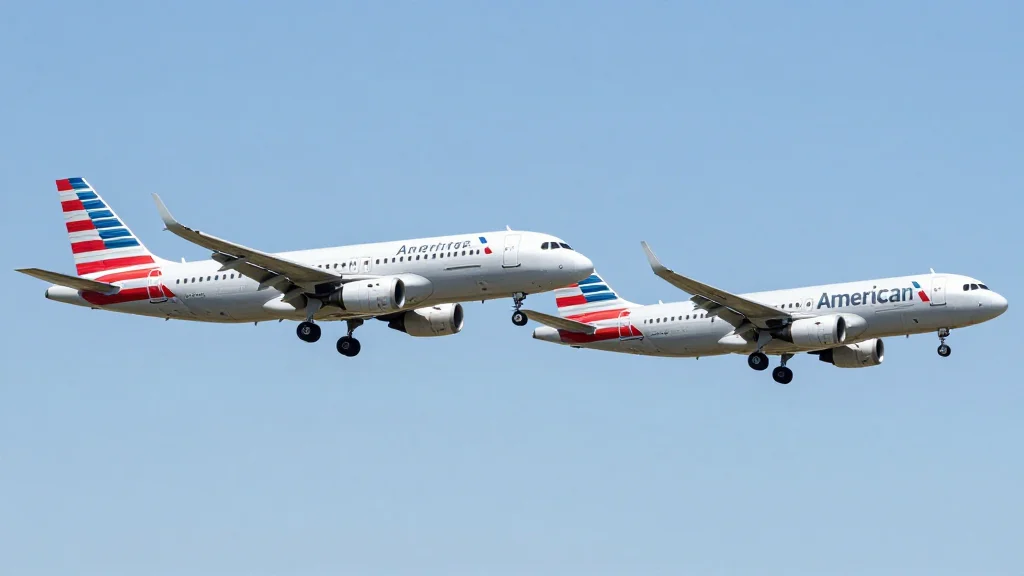
Sky-High Stakes: United and American Merger Rumors
Why It Matters
The consolidation could reshape competition, pricing and network access in the airline industry, while regulatory blockage would leave American exposed and United’s growth prospects uncertain.
Key Takeaways
- •United's $31.6B market cap dwarfs American's $8B, driving merger interest.
- •Jet‑fuel price drop to $92/barrel eases short‑term cost pressure.
- •Combined airline would control ~33% of U.S. domestic market.
- •DOJ antitrust scrutiny likely to require route divestitures.
- •Delta outperforms peers, rising 7% despite merger rumors.
Pulse Analysis
The airline sector is grappling with a perfect storm of rising fuel volatility, supply‑chain disruptions, and thin profit margins. Geopolitical tensions in the Middle East have pushed jet‑fuel costs to $92 per barrel, a level that, while lower than the recent $100 peak, remains a significant variable expense. Carriers are therefore evaluating structural defenses, and a United‑American merger promises bulk‑fuel contracts, shared maintenance hubs, and the ability to retire older, less efficient aircraft during price spikes. Such scale could turn a reactive cost‑management approach into a proactive, long‑term hedge.
Financially, United and American sit on opposite ends of the balance‑sheet spectrum. United’s $31.6 billion market capitalization, a P/E of 9.2 and a $1.5 billion share‑buyback program signal ample liquidity and investor confidence. In contrast, American’s $8 billion market cap, negative book value and a 26% short‑interest rate underscore vulnerability. For United, acquiring a distressed rival could cement market dominance and unlock synergies; for American, the merger offers a lifeline to restructure debt and stabilize cash flow. However, a combined entity would control roughly 33% of domestic traffic, inviting rigorous DOJ antitrust scrutiny and likely demands for route divestitures.
Investors must weigh speculative upside against regulatory and execution risk. If the DOJ blocks the deal, American’s shares could tumble while United may lose a strategic growth avenue. Conversely, approval could create a mega‑carrier capable of weathering future energy shocks, potentially rewarding shareholders with higher yields. In the meantime, Delta Air Lines—up 7% and posting solid earnings—serves as a benchmark for a resilient, standalone model. Adding United and American to watchlists ahead of their April earnings releases, while monitoring DOJ filings, offers a balanced approach for those seeking exposure to the sector’s upside without over‑committing to merger uncertainty.
Sky-High Stakes: United and American Merger Rumors
Comments
Want to join the conversation?
Loading comments...