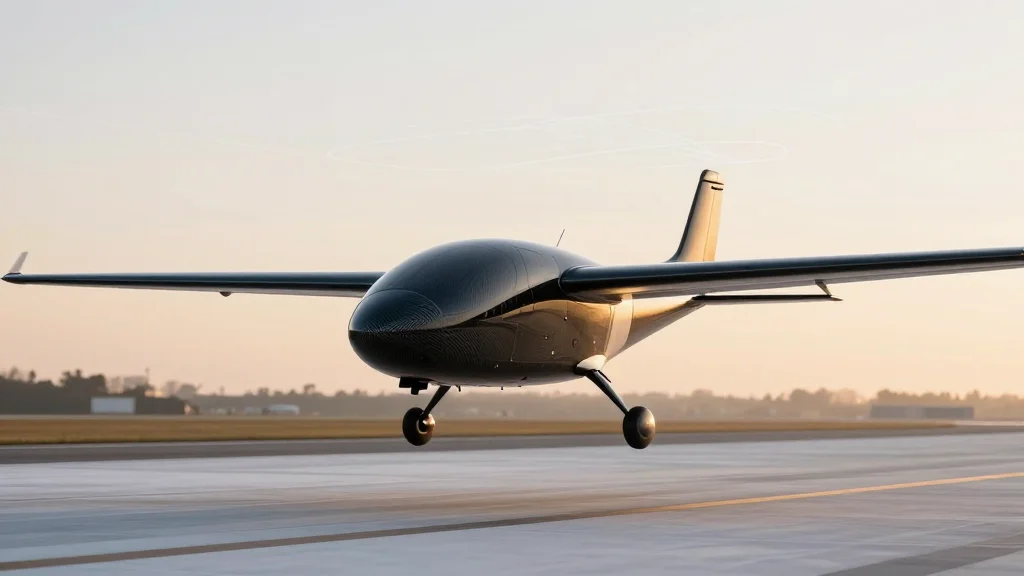
SkyGrid, TAMU-CC to Research Cooperative Separation of AAM Traffic in FAA Programme
Why It Matters
Cooperative separation is essential for safely scaling urban air mobility and reducing controller workload, enabling high‑tempo autonomous flights. FAA‑backed standards from this effort could accelerate commercial AAM deployments across the United States.
Key Takeaways
- •SkyGrid wins FAA Task Order 1 for cooperative separation
- •Project runs through Feb 2027, developing ConUse architecture
- •Collaboration with TAMU‑CC's Autonomy Research Institute
- •Proof‑of‑concept aims to automate AAM traffic deconfliction
- •SkyGrid co‑chairs CAAT Third‑Party Services Working Group
Pulse Analysis
The Federal Aviation Administration’s Center for Advanced Aviation Technologies (CAAT) represents a strategic push to modernize the nation’s airspace for emerging urban air mobility (UAM) and advanced air mobility (AAM) operations. As traffic density rises with autonomous drones and electric vertical take‑off and landing (eVTOL) vehicles, traditional separation methods strain controller capacity. Cooperative separation—where aircraft exchange intent data to autonomously maintain safe distances—promises to alleviate this bottleneck, delivering higher throughput without compromising safety.
SkyGrid’s Task Order One, in partnership with Texas A&M‑Corpus Christi’s Autonomy Research Institute, targets the development of a Concept of Use (ConUse) and a supporting system architecture. Over the next four years, the team will simulate high‑tempo scenarios, validate automated deconfliction algorithms, and produce a proof‑of‑concept toolset that demonstrates delegated separation functions. By acting as co‑chair of the CAAT Third‑Party Services Working Group, SkyGrid also influences the definition of performance metrics, data standards, and the forthcoming Automated Flight Rules (AFR) that will govern autonomous flight in shared airspace.
Industry stakeholders are watching closely because the outcomes will shape the regulatory roadmap for commercial AAM services. Clear, FAA‑endorsed standards reduce uncertainty for manufacturers, operators, and investors, accelerating certification pathways and market entry. Moreover, scalable cooperative separation could unlock new revenue streams for air‑traffic‑management providers and create a competitive advantage for firms that integrate these capabilities early. In short, SkyGrid’s work is a linchpin in the transition from experimental flights to a robust, safety‑centric AAM ecosystem.
SkyGrid, TAMU-CC to research cooperative separation of AAM traffic in FAA programme
Comments
Want to join the conversation?
Loading comments...