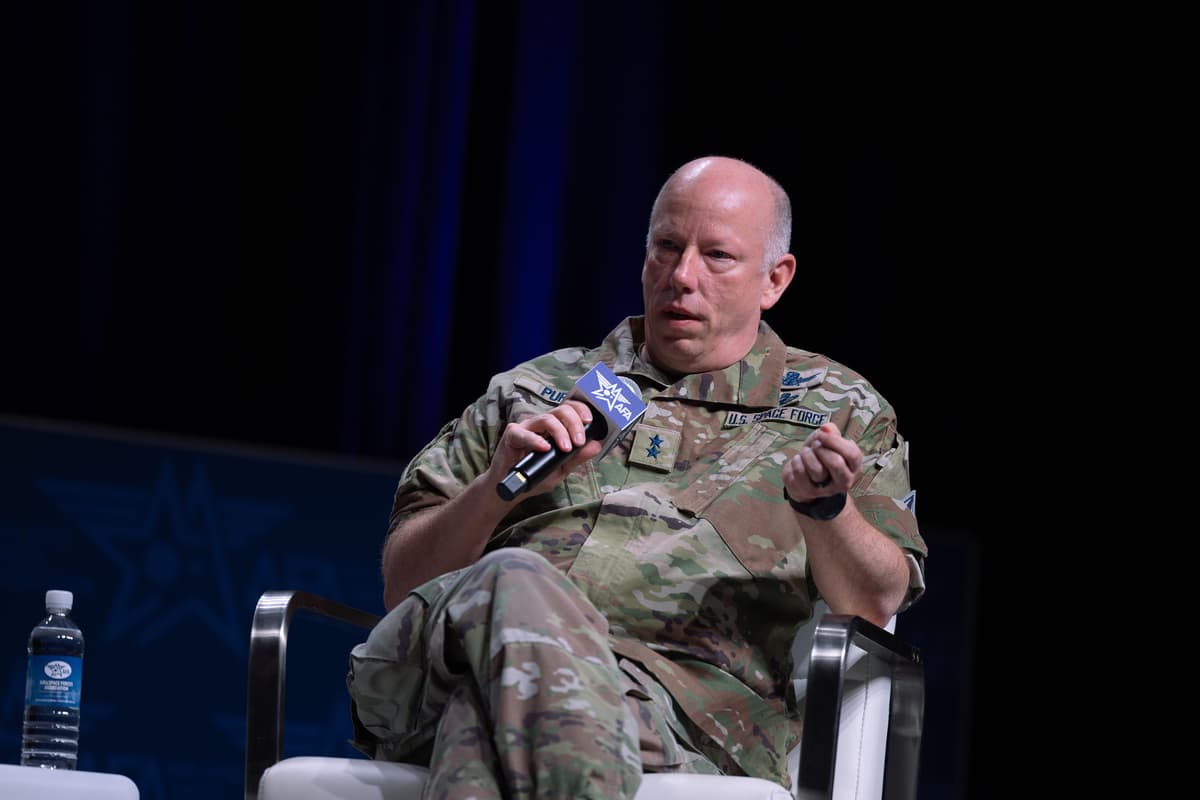
Space Force Modernization Push Runs Into Acquisition Workforce Shortfall
•March 3, 2026
0
Companies Mentioned
Why It Matters
The workforce gap threatens timely delivery of essential space systems, eroding the United States’ strategic edge and exposing a systemic acquisition bottleneck across the defense department.
Key Takeaways
- •Contracting officer shortage slows Space Force procurement
- •Integrated capability focus needs new acquisition skill sets
- •Training program launched, but hiring lags
- •Civilian workforce cut 14%, straining execution
- •Funding abundant; execution bottleneck persists
Pulse Analysis
The Pentagon has been urging services to accelerate acquisition using Other Transaction Authorities, commercial‑style buying and iterative contracts. While these tools promise faster awards and access to non‑traditional suppliers, they also demand a more sophisticated acquisition workforce. For the Space Force, the shift toward integrated capabilities—linking satellites, ground stations, software, and cyber protection—means contracts must coordinate multiple domains rather than deliver a single “box.” This complexity amplifies the need for officers who can manage effect‑based requirements and synchronize diverse vendors.
At the heart of the problem is a dwindling pool of contracting officers (PK community) and financial managers (FM community). Recent efficiency initiatives and voluntary retirements have trimmed the civilian acquisition workforce by about 14%, removing hundreds of experienced professionals. The resulting strain makes source selections, solicitation planning, and compliance oversight more cumbersome, slowing program timelines. In response, Space Systems Command has introduced a specialized training curriculum aimed at upskilling existing staff for integrated system contracts, but recruitment pipelines cannot keep pace with immediate demand.
The broader implication is a paradox: the Space Force enjoys robust budget allocations, yet execution risk looms large due to human‑resource constraints. Industry partners report more complicated dealings, and strategic competitors could gain an advantage if the U.S. cannot field next‑generation space capabilities swiftly. Addressing the bottleneck will require not only accelerated hiring and targeted training but also a reassessment of how acquisition talent is sourced and retained across the defense enterprise.
Space Force modernization push runs into acquisition workforce shortfall
0
Comments
Want to join the conversation?
Loading comments...