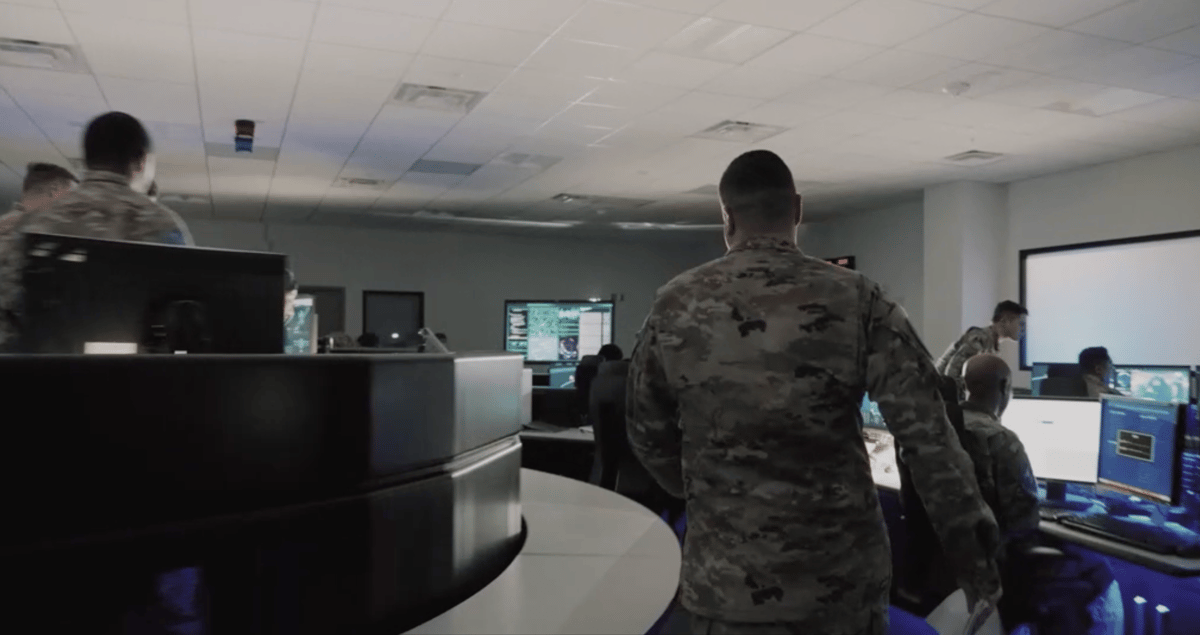
Space Force Plans Nationwide Network of ‘Resilient Operations Centers’
Companies Mentioned
Why It Matters
A distributed network of resilient operations centers reduces single‑point failures, ensuring U.S. space assets remain controllable under kinetic, cyber or electronic attack. This strengthens joint force readiness and solidifies the Space Force’s role in future multi‑domain operations.
Key Takeaways
- •Space Force earmarks $1 billion for four resilient operations centers in FY2027
- •Up to ten distributed centers planned to safeguard command‑and‑control from attacks
- •Centers will support space control, sensing, targeting, and data transport missions
- •Facilities enable 2,800 guardians and 2,000 civilians to stay regionally
- •Tactical ops centers added for space‑based electronic warfare, both domestic and overseas
Pulse Analysis
The FY2027 budget marks a turning point for the Space Force, shifting focus from purely orbital hardware to the ground infrastructure that makes those assets usable in conflict. While $71 billion will fund next‑generation missile‑warning satellites and proliferated LEO constellations, roughly $1 billion is earmarked for resilient operations centers that can survive kinetic strikes, cyber intrusions, and electronic warfare. This investment reflects a broader defense trend toward hardening command‑and‑control nodes, recognizing that adversaries increasingly target the terrestrial spine of space operations.
The proposed network envisions up to ten facilities, each roughly the size of a football field, spread across strategic locations such as Schriever, Redstone Arsenal, Kirtland, and Grand Forks. By decentralizing command functions, the Space Force can maintain continuous mission execution even if one site is compromised. The centers will host a growing workforce—2,800 new guardians and 2,000 civilians—providing career‑long assignments that reduce turnover and foster expertise in space‑control, sensing, targeting, and data‑transport missions. This distributed model also dovetails with the Proliferated Warfighter Space Architecture, ensuring seamless integration of space capabilities into joint operations.
Beyond survivability, the budget introduces tactical operations centers dedicated to space‑based electronic warfare, both domestically and overseas. These hubs will coordinate electromagnetic spectrum battles, a capability increasingly vital as peer competitors develop anti‑satellite weapons. For industry, the construction and sustainment of these centers open new contracts for secure facilities, advanced networking, and cyber‑resilience solutions. Strategically, the move signals to allies and adversaries alike that the United States is committed to a robust, multi‑layered space posture that can endure the full spectrum of modern conflict.
Space Force plans nationwide network of ‘resilient operations centers’
Comments
Want to join the conversation?
Loading comments...