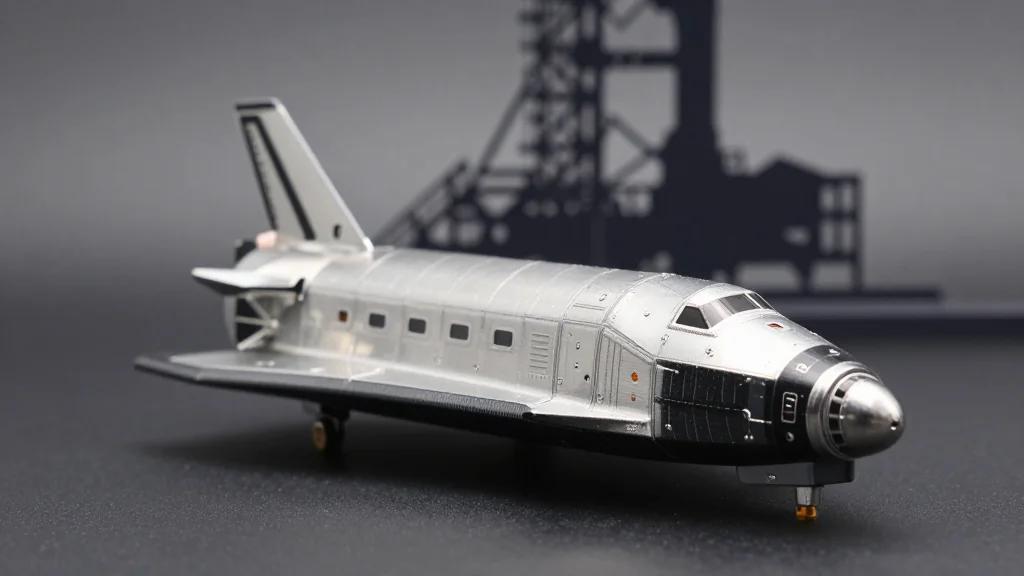
SpaceX Accelerates Shift to Starship, Targeting 12 Tests in 2026

Companies Mentioned

Why It Matters
The transition to Starship reshapes the economics of heavy‑lift launch services. By offering a fully reusable vehicle capable of delivering over 100 metric tons per flight, SpaceX could drive launch costs down dramatically, making large‑scale satellite constellations and deep‑space missions financially viable for a broader set of customers. This shift also pressures competitors to accelerate their own heavy‑lift development, potentially spurring a new wave of innovation in launch vehicle design and in‑space logistics. For national security customers, the move promises a more flexible launch architecture. With Falcon 9 dedicated to smaller, rapid‑response missions and Starship handling bulk payloads, the U.S. Space Force could achieve a more resilient and responsive launch posture, reducing reliance on a single vehicle family for diverse mission sets.
Key Takeaways
- •SpaceX targets 12 Starship orbital flight tests in 2026.
- •Starship payload capacity exceeds 100 metric tons to LEO, over five times Falcon 9.
- •Falcon 9 projected to conduct 150+ missions in 2026 before gradual phase‑out.
- •Launch‑on‑demand capability aimed for Q3 2026 at Starbase, Texas.
- •Competitors Blue Origin (New Glenn) and ULA are scaling heavy‑lift offerings.
Pulse Analysis
SpaceX’s accelerated Starship rollout is more than a product upgrade; it is a strategic repositioning that could redefine launch market dynamics for the next decade. Historically, the industry has been segmented by lift class, with heavy‑lift services limited to a few expensive, partially reusable rockets. Starship’s fully reusable architecture threatens to collapse that segmentation, creating a single platform that can serve both bulk commercial payloads and deep‑space missions. If SpaceX meets its 2026 test cadence and demonstrates rapid turnaround, the cost per kilogram could drop to a fraction of current rates, forcing legacy providers to either lower prices or accelerate their own reusable designs.
The timing aligns with a surge in demand for large constellations and lunar infrastructure. The second‑generation Starlink satellites, for example, will require mass‑launch capabilities that Falcon 9 cannot economically provide. Simultaneously, the Department of Defense is fielding larger, more capable payloads that benefit from a single‑launch, high‑mass approach. By positioning Starship as the default heavy‑lift vehicle, SpaceX not only secures future revenue streams but also locks in a competitive moat that is difficult for rivals to replicate without comparable reusability.
However, the transition is not without risk. Starship’s in‑space refueling and rapid refurbishment are unproven at scale, and any setbacks could delay the anticipated market shift. Moreover, regulatory scrutiny over launch frequency and environmental impact at Starbase could introduce operational constraints. Stakeholders should watch the outcomes of the 12 scheduled orbital tests closely; they will serve as the litmus test for whether Starship can deliver on its promise and truly reshape the aerospace launch ecosystem.
SpaceX Accelerates Shift to Starship, Targeting 12 Tests in 2026
Comments
Want to join the conversation?
Loading comments...