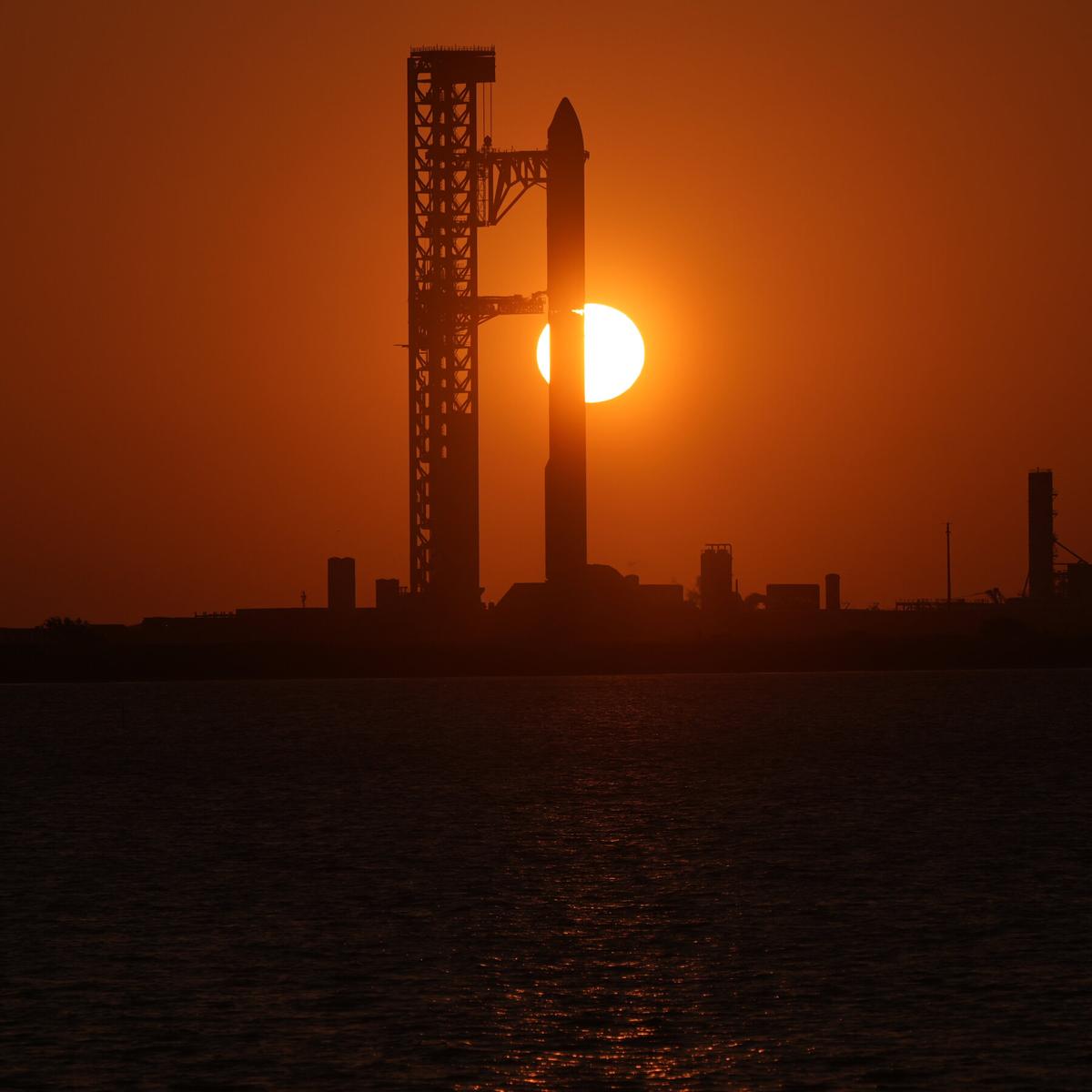
SpaceX Completes Mostly Successful Starship Rocket Flight
Companies Mentioned
SpaceX

NASA
Why It Matters
The flight validates critical Starship capabilities for NASA’s lunar missions while strengthening market confidence ahead of SpaceX’s public offering.
Key Takeaways
- •Starship's upper stage survived re‑entry despite two engine failures
- •Super Heavy booster lost engine, crashed in Gulf of Mexico
- •Simulated ocean landing demonstrated controlled descent capability
- •Test supports NASA Artemis lunar lander development timeline
- •Positive results boost investor confidence before upcoming IPO
Pulse Analysis
SpaceX’s Starship completed its twelfth integrated test flight on May 22, 2026, marking another milestone for the company’s fully reusable launch system. The 120‑meter vehicle lifted off from Boca Chica, propelled by the Super Heavy booster’s 33 Raptor engines, but one booster engine shut down prematurely. The upper stage, equipped with six Raptor engines, also lost one during ascent, yet the remaining engines burned longer, delivering the spacecraft to orbit and enabling a controlled re‑entry. After a brief coast, Starship performed a simulated ocean landing over the Indian Ocean, using only two of the planned three engines before tipping and igniting its onboard pyrotechnics.
The flight’s mixed results carry weight for NASA’s Artemis program, which has earmarked Starship as the human landing system for lunar surface missions. Demonstrating a survivable re‑entry and a near‑landing maneuver validates key performance parameters, even as the booster’s crash in the Gulf of Mexico highlights the need for more robust return‑to‑launch‑site capability. Engineers will likely focus on improving engine redundancy and soft‑landing algorithms before the next test, a step that could accelerate the timeline for certifying Starship as a reliable lunar transport and open doors for commercial payloads to the Moon and beyond.
From a financial perspective, the largely successful test bolsters confidence ahead of SpaceX’s planned initial public offering slated for next month. Investors interpret the ability to recover and reuse a vehicle of this scale as a catalyst for dramatically lower launch costs, a competitive edge over rivals such as Blue Origin and United Launch Alliance. While the booster failure introduces short‑term risk, the overall trajectory suggests a strong revenue pipeline from satellite constellations, NASA contracts, and emerging space‑tourism ventures, positioning SpaceX for a potentially high‑valuation debut.
SpaceX Completes Mostly Successful Starship Rocket Flight
Comments
Want to join the conversation?
Loading comments...