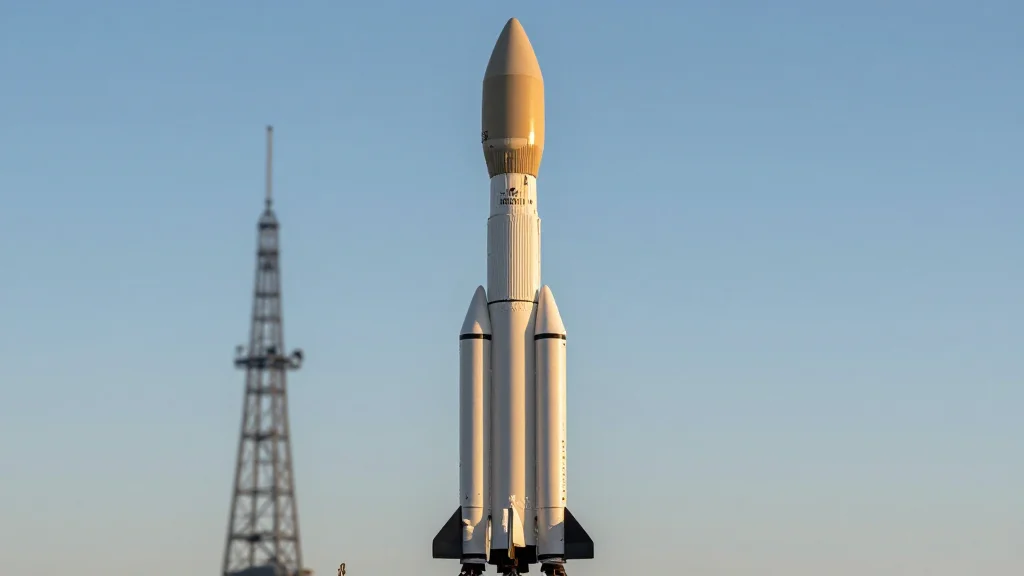
SpaceX Launches Cargo Dragon to ISS
Companies Mentioned
Why It Matters
The mission sustains critical supply lines for the ISS while showcasing SpaceX’s reusable launch capability, cementing its competitive edge in the commercial space market.
Key Takeaways
- •Falcon 9 first stage lands safely after sixth flight
- •Dragon capsule’s sixth ISS resupply mission
- •SpaceX leads global launches with 57 flights in 2026
- •Reusable rockets cut launch costs and turnaround time
Pulse Analysis
SpaceX’s latest cargo Dragon launch underscores the company’s mastery of rapid‑turnaround, reusable launch systems. The Falcon 9 booster, now on its sixth flight, demonstrated the same precision landing that has become a hallmark of SpaceX’s cost‑saving strategy. By reusing hardware, the firm reduces per‑launch expenses, enabling more frequent missions and keeping its pricing competitive against legacy providers. This operational efficiency not only benefits NASA’s resupply contracts but also positions SpaceX to capture a larger share of the burgeoning commercial satellite market.
The Dragon capsule’s arrival at the International Space Station continues a vital supply chain that supports scientific experiments, crew provisions, and hardware upgrades. With the docking slated for 7 a.m. Eastern on May 17, the mission delivers pressurized cargo, including research equipment and spare parts, that sustain the station’s year‑long operations. As the ISS transitions toward a more commercial model, reliable cargo deliveries become a key metric for assessing the viability of private‑sector logistics partners, and SpaceX’s track record reinforces confidence among international space agencies.
Beyond the immediate mission, SpaceX’s dominance in launch frequency—57 missions this year compared with 48 from all other providers combined—signals a shifting competitive landscape. The company’s aggressive launch cadence pressures rivals such as China, Russia, and Rocket Lab to accelerate their own reusable technologies and cost‑reduction programs. Policymakers and investors watch these trends closely, as launch capacity increasingly influences satellite deployment strategies, global communications infrastructure, and national security considerations. SpaceX’s continued success may drive further consolidation in the launch services market, shaping the next decade of space commerce.
SpaceX launches cargo Dragon to ISS
Comments
Want to join the conversation?
Loading comments...