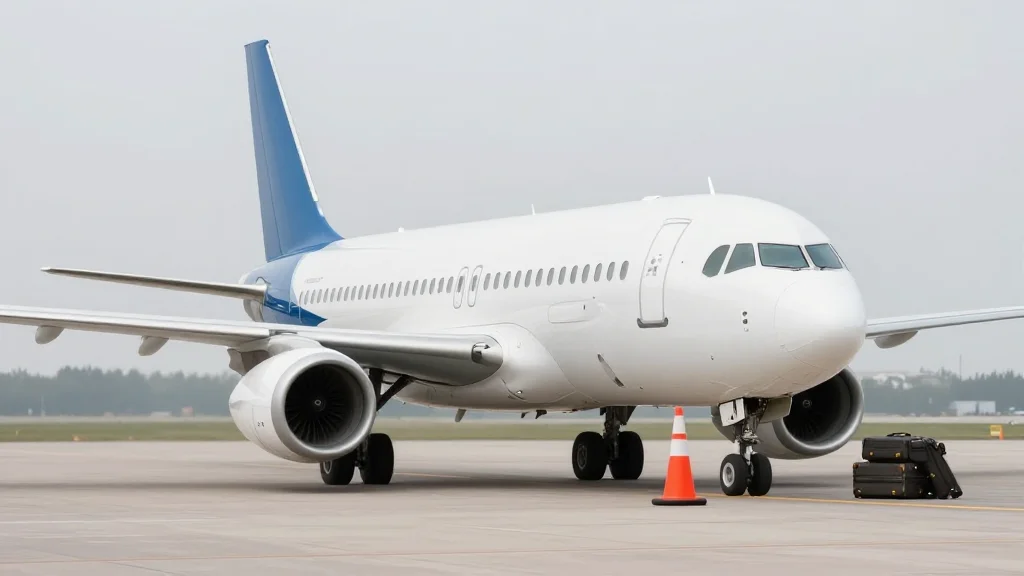
Spirit Airlines Made This Critical Mistake that Drove Its Demise
Companies Mentioned
Why It Matters
The failure highlights the fragility of ultra‑low‑cost carriers when liquidity dries up, and it underscores the broader risk of relying on government aid during industry downturns.
Key Takeaways
- •Spirit ceased operations after failing to secure a U.S. government bailout.
- •The airline's ultra‑low‑cost model left it vulnerable to cash shocks.
- •Shutdown triggers potential claims from creditors, passengers, and leaseholders.
- •Industry analysts cite aggressive fleet expansion as a strategic error.
- •Market reaction saw Spirit’s stock plunge to near‑zero.
Pulse Analysis
Spirit Airlines built its brand on a no‑frills, ultra‑low‑cost (ULCC) model that stripped away amenities in exchange for rock‑bottom fares. Since its launch in the early 1990s, the carrier grew a fleet of Airbus A320 family jets and expanded into secondary airports across the United States, capturing price‑sensitive travelers and maintaining an average load factor above 85 percent. The business relied heavily on ancillary revenue—baggage fees, seat selection, and onboard sales—to supplement thin ticket margins, a strategy that proved profitable in a stable fuel environment.
The decisive misstep came when Spirit pursued aggressive capacity growth while loading its balance sheet with high‑interest debt. By 2025, the airline’s leverage exceeded 6 times EBITDA, leaving little cushion when fuel prices spiked and inflation eroded discretionary travel spending. Unlike legacy carriers that secured emergency financing from the Treasury under the 2024 airline relief package, Spirit’s limited lobbying clout and weak cash position prevented a comparable bailout. The resulting liquidity crunch forced the board to announce an orderly wind‑down rather than a restructuring.
Spirit’s collapse reverberates across the aviation ecosystem. Approximately 12,000 employees face job losses, while passengers with booked itineraries must seek refunds or rebook with competitors, straining consumer protection agencies. Creditors, including aircraft lessors and bondholders, are likely to incur significant write‑downs, and the sudden exit reshapes the ULCC competitive landscape, giving rivals such as Frontier and Allegiant a chance to capture market share. Investors are reminded that ultra‑low‑cost carriers, while attractive for high yields, remain vulnerable to macro‑economic shocks and the absence of government safety nets.
Spirit Airlines made this critical mistake that drove its demise
Comments
Want to join the conversation?
Loading comments...