Spy Drones Are Compromising America’s Nuclear Triad
Companies Mentioned

Rolls‑Royce
GOOG
Why It Matters
The drone intrusions reveal a tangible vulnerability in the protection of the United States’ nuclear deterrent, potentially allowing adversaries to gather sensitive data or disrupt readiness. Addressing this gap is essential to maintain credible strategic stability.
Key Takeaways
- •Chinese drone incursions hit Barksdale AFB repeatedly in March 2024
- •Jamming attempts failed due to frequency‑hopping, encrypted communications
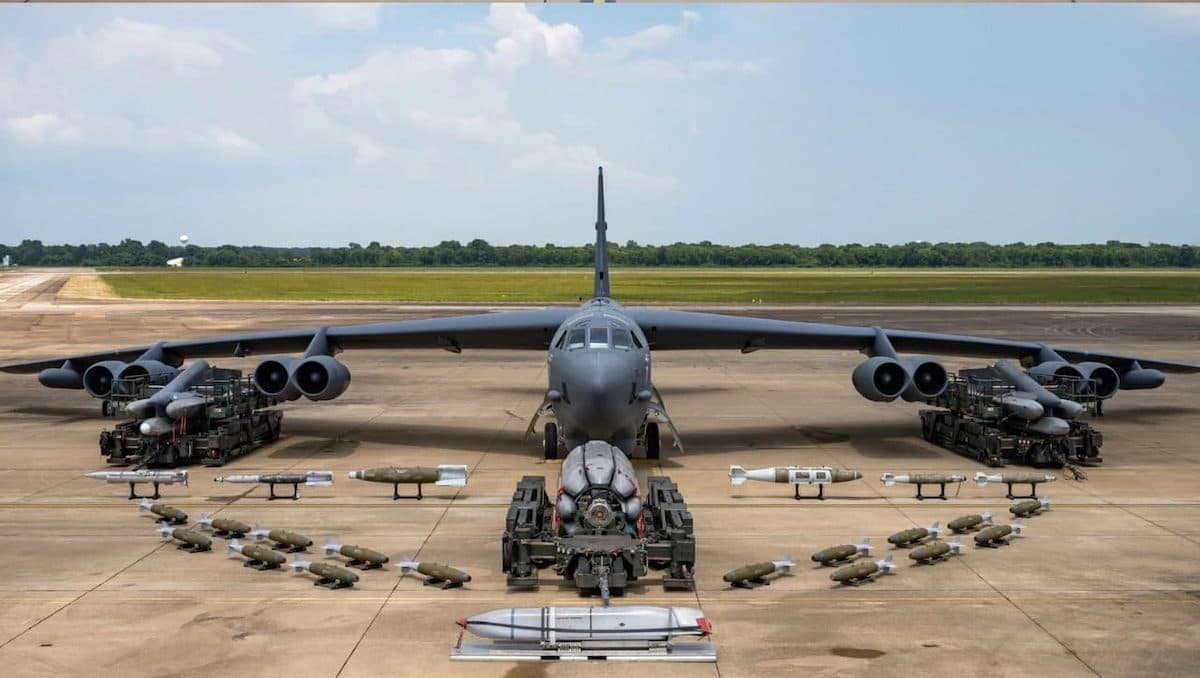
- •B‑52 bomber fleet, core of nuclear triad, remains vulnerable
- •Similar drone activity reported at missile silo bases, indicating broader threat
- •U.S. domestic bases lack dedicated air‑defense against low‑altitude drones
Pulse Analysis
The recent drone sightings over Barksdale Air Force Base are not isolated incidents but part of an escalating pattern of foreign surveillance targeting America’s strategic nuclear infrastructure. Open‑source intelligence and CSIS reports show that Chinese operatives have repeatedly deployed commercial‑grade and custom‑built UAVs to hover over bomber runways, missile silos, and command centers. These drones employ encrypted, frequency‑hopping radios that defeat conventional jamming tools, suggesting a level of technical sophistication that exceeds typical hobbyist activity. By gathering visual and electronic signatures of B‑52 bombers, missile handling procedures, and storage facilities, adversaries can refine targeting algorithms and develop counter‑measures that erode the credibility of the U.S. nuclear triad.
The vulnerability is especially concerning for the B‑52 fleet, which remains a cornerstone of the airborne leg of the triad. Although the aircraft are slated for upgrades—new Rolls‑Royce F130 engines, AESA radar, and digital cockpits—their basing environment has lagged behind in air‑defense modernization. Current domestic bases rely on legacy radar and limited short‑range interceptors, leaving low‑altitude, slow‑moving UAVs largely unchecked. This gap not only risks intelligence leakage but also creates a potential avenue for kinetic disruption, should hostile operators decide to weaponize the platforms. The incident underscores the need for integrated counter‑UAV systems, such as directed‑energy weapons and AI‑driven detection nets, tailored to the unique challenges of protecting high‑value nuclear assets.
Policymakers must treat the drone threat as a strategic priority, allocating resources to both detection and neutralization technologies across all nuclear‑related installations. Legislative action could mandate a baseline air‑defense posture for every base housing nuclear weapons or delivery systems, similar to the standards applied at overseas forward operating locations. In parallel, inter‑agency coordination—between the Department of Defense, the Department of Homeland Security, and intelligence services—should be enhanced to share real‑time threat data and develop rapid response protocols. By closing the current security gap, the United States can preserve the integrity of its deterrent and deter future espionage attempts that seek to undermine global strategic stability.
Spy drones are compromising America’s nuclear triad
Comments
Want to join the conversation?
Loading comments...