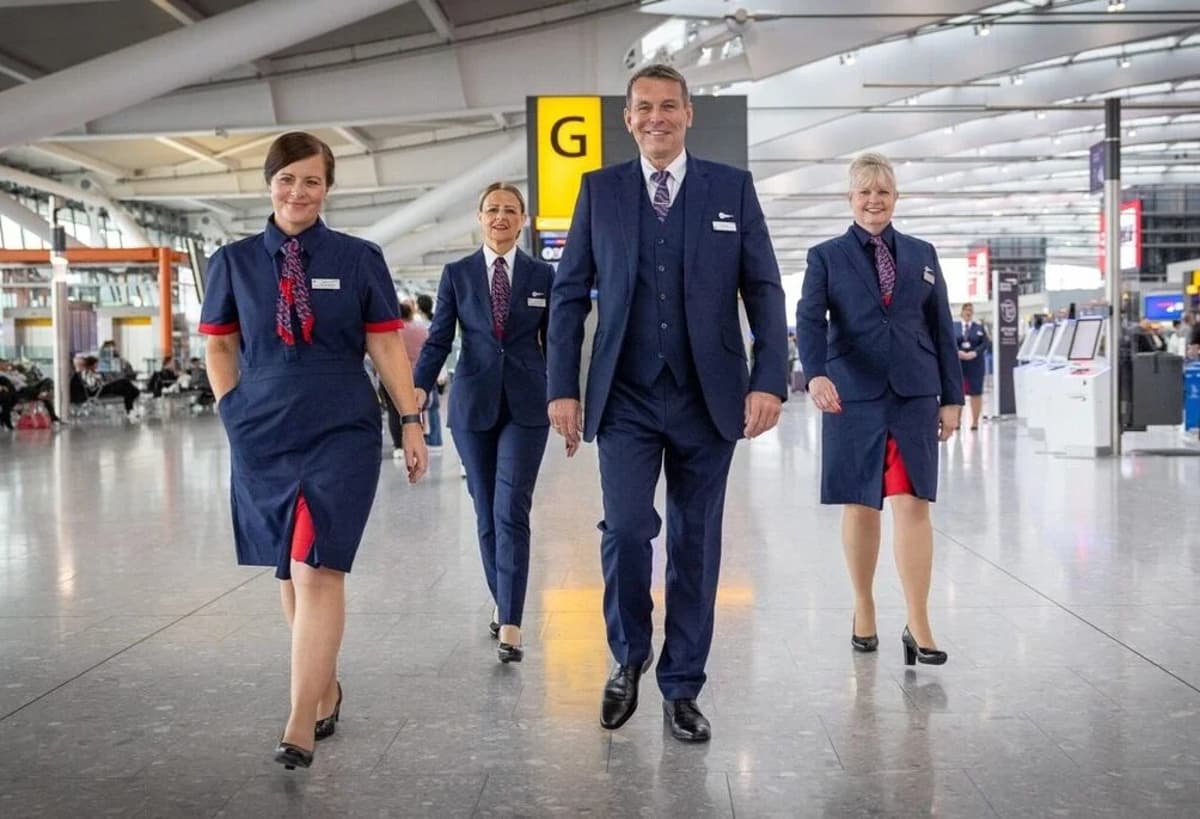
Staff Revolt Forces British Airways to Abandon Plans to Introduce ‘Masculine’ Neck Ties For Female Cabin Crew
•February 1, 2026
0
Why It Matters
The episode highlights how uniform decisions can affect employee morale and brand perception, forcing airlines to balance fashion ambition with workforce acceptance.
Key Takeaways
- •Staff rejected masculine tie design.
- •BA replaced scarf with Hermès twilly.
- •New guidelines limited twilly styling, looked like tie.
- •Uniform controversy follows earlier coffee rule backlash.
- •BA pledged to revisit uniform standards.
Pulse Analysis
Uniform policies are more than dress codes; they signal an airline’s culture and influence frontline morale. British Airways’ latest misstep began with Ozwald Boateng’s high‑profile redesign, which introduced a frilly neck scarf that many female crew members deemed overly masculine. The swift internal backlash forced the carrier to abandon the tie‑like neckpiece, underscoring how quickly employee sentiment can derail even well‑funded fashion collaborations when the design clashes with gender expectations.
In response, BA introduced a Hermès‑inspired twilly, a narrow silk scarf historically worn as a versatile accessory. However, the airline’s restrictive styling rules—requiring the twilly to hang like a tie—re‑ignited criticism, as staff argued the look reinforced male‑centric workwear rather than offering genuine choice. This episode illustrates the delicate balance airlines must strike between leveraging luxury branding and respecting the practical, aesthetic preferences of their diverse workforce, especially as fashion trends like twillys gain mainstream popularity.
The broader lesson for the aviation sector is clear: uniform changes demand robust stakeholder engagement and transparent communication. Past controversies, such as BA’s brief coffee‑consumption ban, demonstrate the reputational risk of top‑down mandates that appear out of touch. Companies that involve crew representatives early, pilot flexible design options, and align attire with brand values are better positioned to avoid costly rollbacks. As airlines navigate post‑pandemic staffing challenges, maintaining employee goodwill through thoughtful uniform strategies will be a competitive advantage.
Staff Revolt Forces British Airways to Abandon Plans to Introduce ‘Masculine’ Neck Ties For Female Cabin Crew
0
Comments
Want to join the conversation?
Loading comments...