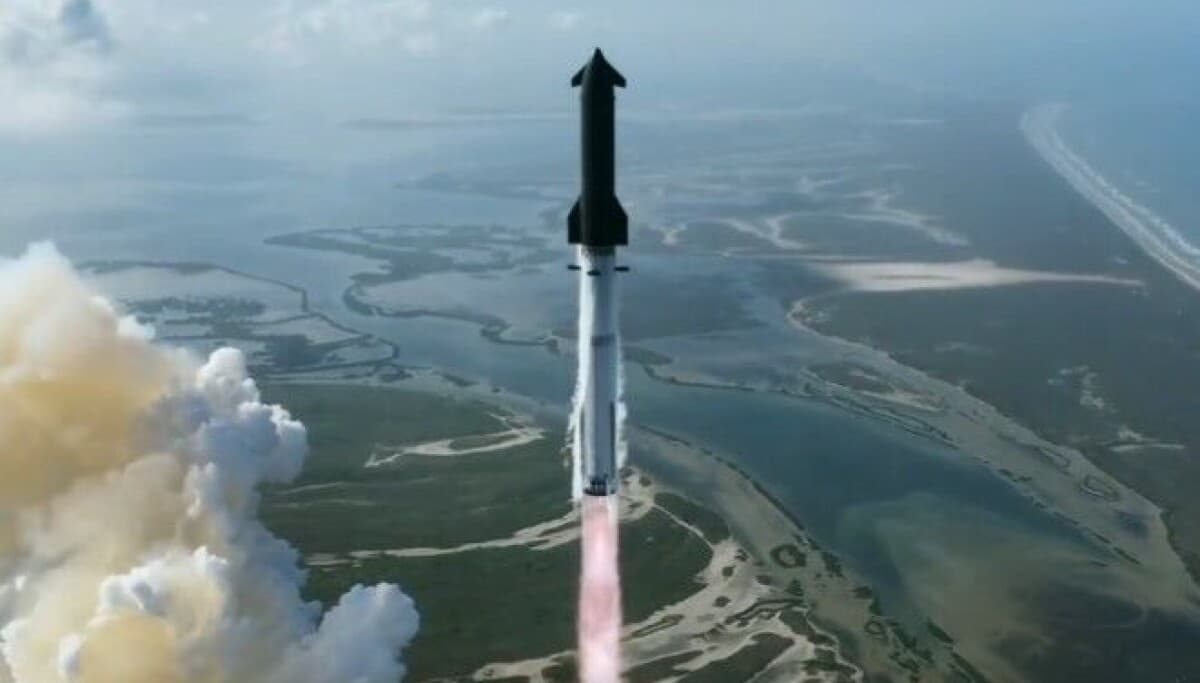
Starship Shows It Can Deploy Satellites, but Moon Mission Clock Still Ticks

Companies Mentioned
Why It Matters
The flight proved Starlink deployment capability but exposed critical booster and engine‑restart gaps that must be solved before Starship can support NASA’s Artemis lunar missions and commercial orbital flights.
Key Takeaways
- •Starship's 12th test deployed 20 Starlink simulators and 2 satellites
- •One Super Heavy Raptor engine failed; booster crashed into Gulf of Mexico
- •No in‑space Raptor restart; orbital flight may need another sub‑orbital test
- •Attitude control and splashdown succeeded, showing re‑entry capability
- •FAA debris response caused launch delays, highlighting regulatory scrutiny
Pulse Analysis
SpaceX’s latest Starship test highlighted both progress and persistent challenges in the company’s ambitious launch system. The vehicle successfully lofted and released a batch of 20 Starlink simulators and two operational satellites, confirming the payload‑deployment architecture that underpins SpaceX’s broadband constellation. Yet the Super Heavy booster suffered a critical engine shutdown during the hot‑staging maneuver, leading to a loss of control and a crash into the Gulf of Mexico. While the booster was not intended for recovery, the failure underscores the need for robust engine‑out handling before the system can reliably execute the planned catch‑and‑reuse sequence.
A more consequential shortfall was the omission of an in‑space Raptor restart, a prerequisite for orbital missions and the de‑orbit burn required for crewed lunar flights. Without demonstrating this capability, Starship may need another sub‑orbital test before advancing to orbital flights, potentially delaying NASA’s Artemis III timeline, currently slated for late 2027. The window for SpaceX to validate the Human Landing System variant is narrowing, and any further setbacks could force NASA to reconsider its reliance on Starship for lunar landings.
Regulatory scrutiny added another layer of complexity. The FAA activated a Debris Response Area after the booster breakup, causing six launch‑pad departures and five airborne holds. While no formal mishap determination has been issued, the incident highlights the heightened oversight that accompanies high‑risk, high‑profile launch activities. Moving forward, SpaceX will need to address booster reliability, demonstrate engine restart capability, and work closely with regulators to keep its lunar ambitions on schedule. The outcome of these efforts will shape the competitive landscape of commercial heavy‑lift launch services.
Starship shows it can deploy satellites, but Moon mission clock still ticks
Comments
Want to join the conversation?
Loading comments...