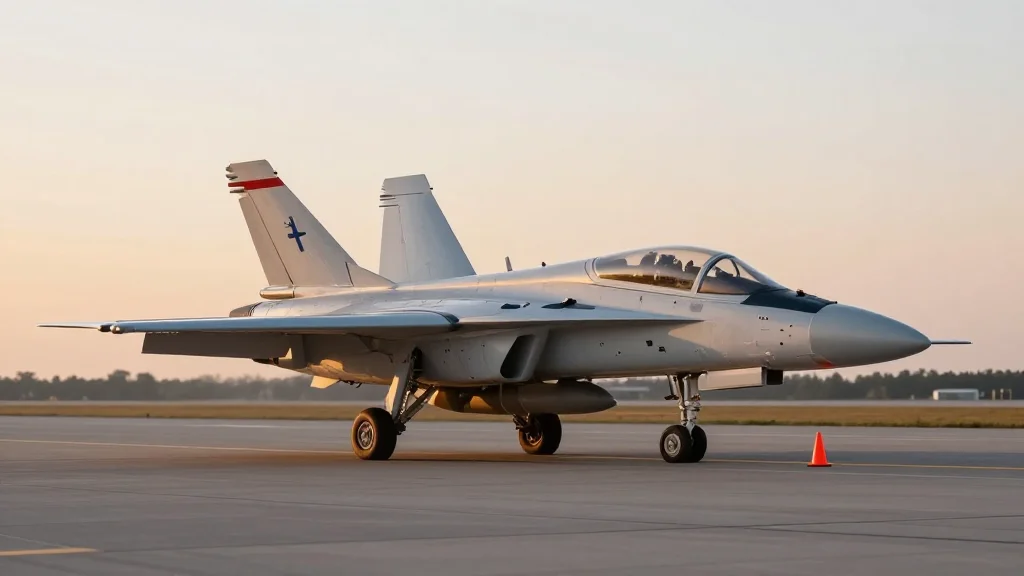
T-38 Talon Operational Pause
Why It Matters
The pause underscores aging aircraft challenges and could delay the pipeline of qualified space‑operations pilots, affecting long‑term force readiness and prompting accelerated replacement plans.
Key Takeaways
- •Space Force halts T‑38 flights pending safety review
- •~30 jets removed from training schedule
- •Alternative simulators will fill pilot‑training gap
- •Review may accelerate $200 M replacement program
Pulse Analysis
The Northrop T‑38 Talon, a two‑seat supersonic jet that has served the Air Force and, more recently, the Space Force for pilot training since the 1960s, is now under a temporary operational pause. The decision, announced by Space Force leadership, stems from a comprehensive safety audit that identified aging airframes and maintenance backlogs as potential risk factors. While the fleet’s primary role is to provide hands‑on flight experience for space‑operations officers, the pause does not affect the service’s core space‑mission capabilities, which remain fully operational.
The immediate impact of the pause is felt in the training pipeline. With roughly 30 T‑38s grounded, the Space Force must rely more heavily on high‑fidelity flight simulators to keep pilots proficient. This shift may extend the time required for new pilots to achieve qualification, potentially creating a short‑term shortfall in qualified crew for upcoming missions. Maintenance crews are tasked with completing detailed inspections, parts replacements, and structural repairs, a process expected to take several weeks. The service has allocated an estimated $200 million—approximately $150 million in U.S. dollars—to fund the necessary upgrades and to explore a phased introduction of a modern trainer, such as the Boeing T‑7 Red Hawk, to replace the aging Talons.
Long‑term, the operational pause highlights broader concerns about the sustainability of legacy aircraft in high‑tech domains. Industry analysts suggest that the Space Force’s experience may accelerate procurement of next‑generation trainers, driving demand for advanced avionics and digital training ecosystems. For contractors, this creates an opportunity to supply retrofit kits and new airframes, while policymakers must balance budget constraints against the need to maintain a ready and capable pilot corps. The pause, therefore, serves as both a cautionary signal about fleet aging and a catalyst for modernization across the U.S. defense aviation sector.
T-38 Talon operational pause
Comments
Want to join the conversation?
Loading comments...