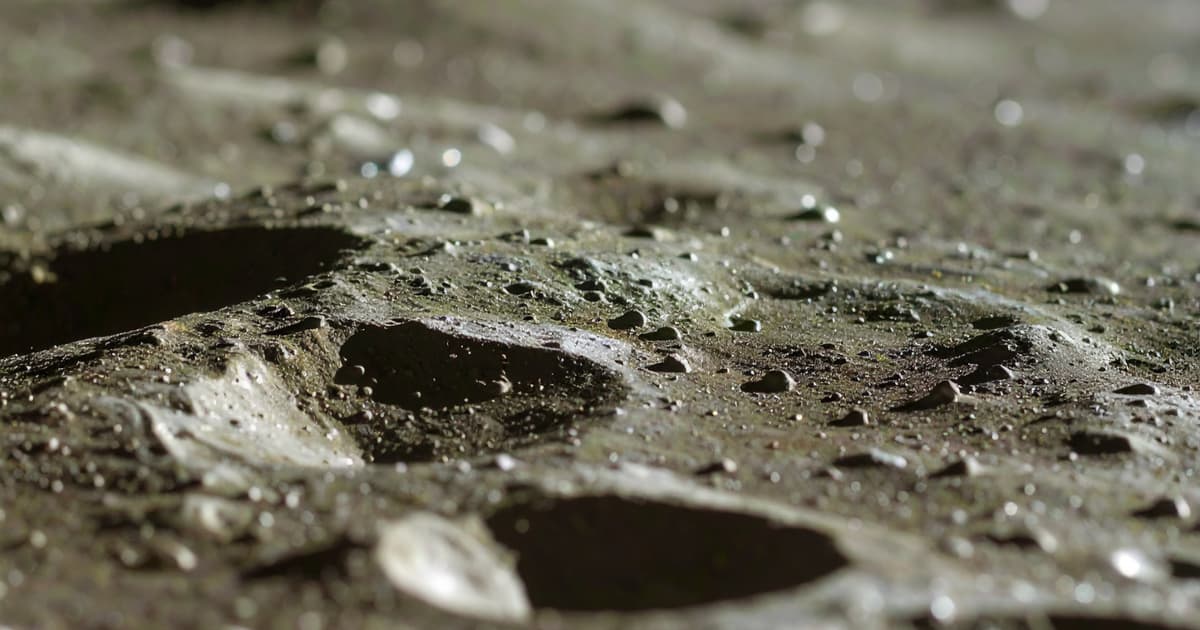
The Apollo Astronauts Who Carried Lunar Dust Back Into the Cabin Kept Making the Same Strange Report — Fresh Moon Dust Smelled Like Spent Gunpowder — yet the Smell Never Survived the Trip Home, and More than Fifty Years Later No One Has Fully Explained What They Were Breathing in up There.
Companies Mentioned

NASA
Why It Matters
The transient odor reveals the extreme reactivity of lunar regolith, a key challenge for crew safety and hardware durability on future long‑duration Moon missions.
Key Takeaways
- •Apollo crews repeatedly described fresh lunar dust smelling like spent gunpowder.
- •The odor vanished before samples reached Earth, indicating a one‑time reaction.
- •Reactive, iron‑rich dust surfaces oxidize in cabin air, likely causing the smell.
- •Dust’s abrasiveness and chemical reactivity pose health and hardware risks for Artemis.
- •Future missions plan instrumented cabins to capture and analyze the odor chemistry.
Pulse Analysis
When Apollo astronauts first stepped onto the Moon, they brought back more than rocks—they carried a distinctive scent. Multiple crews, from Buzz Aldrin on Apollo 11 to geologist Harrison Schmitt on Apollo 17, described the smell of freshly scooped regolith as akin to spent gunpowder or burnt charcoal. The odor was immediate, appearing within minutes of repressurizing the lunar module, yet it vanished by the time the sealed containers were opened on Earth. This consistency across missions underscores a real, observable interaction between lunar dust and the cabin environment, rather than a psychological illusion.
Scientists attribute the fleeting aroma to the unique chemistry of lunar regolith. Decades of exposure to vacuum, micrometeorite impacts, and solar wind have left the dust particles with highly reactive, unsatisfied chemical bonds and nanoscopic iron inclusions. When these surfaces meet oxygen and trace moisture inside the spacecraft, they undergo rapid oxidation—a slow, smokeless “burning” that releases volatile compounds reminiscent of gunpowder combustion. Although the precise molecular signature has never been captured—no instruments sampled cabin air during Apollo—the prevailing hypothesis links the odor to these oxidation products, distinguishing it from metallic or sulfurous smells suggested in other theories.
The practical implications extend far beyond a historical curiosity. The same reactive, abrasive properties that generate the smell also pose serious health risks, irritating eyes, throats, and lungs, and can degrade seals and electronics. Artemis and upcoming commercial lunar ventures are therefore designing advanced filtration, suit materials, and airlock protocols to contain and neutralize dust. Future missions plan to equip habitats with real‑time air‑analysis sensors, aiming to finally identify the odor’s chemical fingerprint while simultaneously safeguarding crews from the broader hazards of lunar dust.
The Apollo astronauts who carried lunar dust back into the cabin kept making the same strange report — fresh Moon dust smelled like spent gunpowder — yet the smell never survived the trip home, and more than fifty years later no one has fully explained what they were breathing in up there.
Comments
Want to join the conversation?
Loading comments...