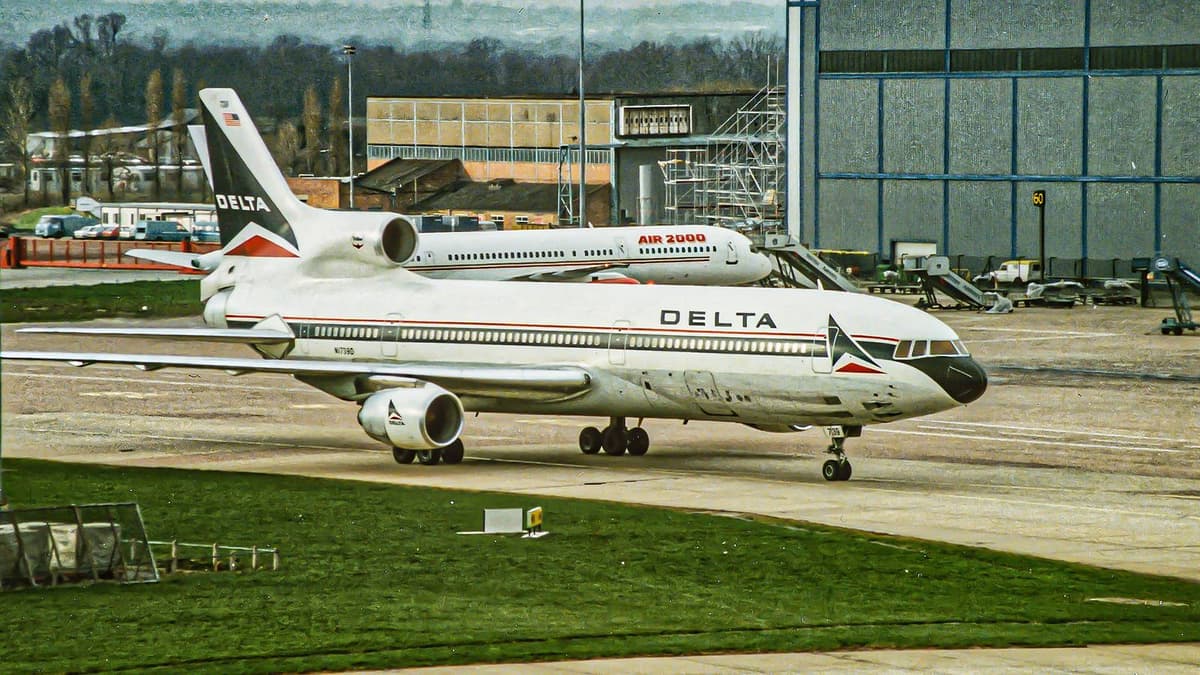
The Forgotten Widebody That Outsold The 747 On Medium-Haul Routes & Quietly Disappeared From Every Fleet
Why It Matters
The TriStar demonstrated how a technically superior aircraft can reshape airline economics, while the scandal shows that corporate ethics can abruptly erase market gains. Its legacy influences modern wide‑body design and dual‑use aerospace concepts.
Key Takeaways
- •L‑1011 outsold 747 on U.S. medium‑haul routes in 1970s
- •First widebody certified for Category IIIA autoland, enabling zero‑visibility landings
- •Lockheed bribery scandal halted sales, leading to fleet retirements
- •Only surviving L‑1011, “Stargazer,” now launches Pegasus rockets from 39,000 ft
Pulse Analysis
The Lockheed L‑1011 TriStar entered service in the early 1970s as a three‑engine wide‑body built for the high‑frequency, medium‑range corridors that dominated U.S. air travel. Its 250‑300 seat capacity fit neatly between twin‑aisle comfort and the runway constraints of airports such as LaGuardia, where the larger Boeing 747 could not operate. Inside, a flat‑panel eight‑foot ceiling, vertical sidewalls and larger windows created a spacious cabin that felt more like a modern lounge than a typical jet. These passenger‑focused details helped the TriStar capture a sizable share of domestic trunk routes, often outselling the 747 on those sectors.
Beyond comfort, the L‑1011 set a new reliability benchmark by becoming the first commercial wide‑body certified for FAA Category IIIA autoland. The system allowed zero‑visibility approaches with a decision height of zero feet, a capability that kept airlines on schedule even in fog‑prone hubs such as New York and Chicago. This operational flexibility translated into higher aircraft utilization and lower diversion costs, giving carriers a tangible economic edge over rivals still dependent on less capable avionics. The TriStar’s advanced flight‑deck integration also foreshadowed the digital cockpits that dominate today’s fleets.
The aircraft’s momentum stalled in 1976 when the Lockheed bribery scandal erupted, revealing multi‑million‑dollar payments to foreign officials to secure sales. The scandal tarnished the brand, prompting airlines to cancel orders and accelerating the TriStar’s phase‑out as newer twin‑engine models entered the market. Today only a single L‑1011 remains airworthy—the Northrop Grumman “Stargazer,” repurposed as a launch platform for Pegasus rockets, lofting a 50,000‑lb payload to 39,000 ft before release. The TriStar’s story underscores how technical excellence can be eclipsed by corporate misconduct, yet its legacy lives on in modern aircraft design and space‑launch innovation.
The Forgotten Widebody That Outsold The 747 On Medium-Haul Routes & Quietly Disappeared From Every Fleet
Comments
Want to join the conversation?
Loading comments...