The Future of Astronomy Is Both on Earth and in Space
•February 25, 2026
0
Why It Matters
The stance influences funding priorities, regulatory frameworks, and the long‑term viability of scientific discovery across both domains, while preserving public access to the night sky.
Key Takeaways
- •Space telescopes are costly, limited, and unserviceable
- •Ground observatories enable upgrades, large apertures, rapid transient response
- •Satellite constellations increase optical and radio interference
- •Orbital debris threatens both scientific missions and commercial services
- •Collaboration, not relocation, is needed to preserve shared sky
Pulse Analysis
The surge of low‑Earth‑orbit satellite constellations has sparked a heated debate about the future of astronomical observation. A recent opinion piece suggested that astronomers should simply relocate their work to space to escape ground‑based light pollution and radio interference. In response, the leadership of the American Astronomical Society (AAS) cautions that such a shift overlooks the systemic challenges of orbital congestion, debris, and the finite nature of space missions. Their rebuttal underscores that the night sky is a shared resource, and that policy choices—not technological progress—drive the current threats.
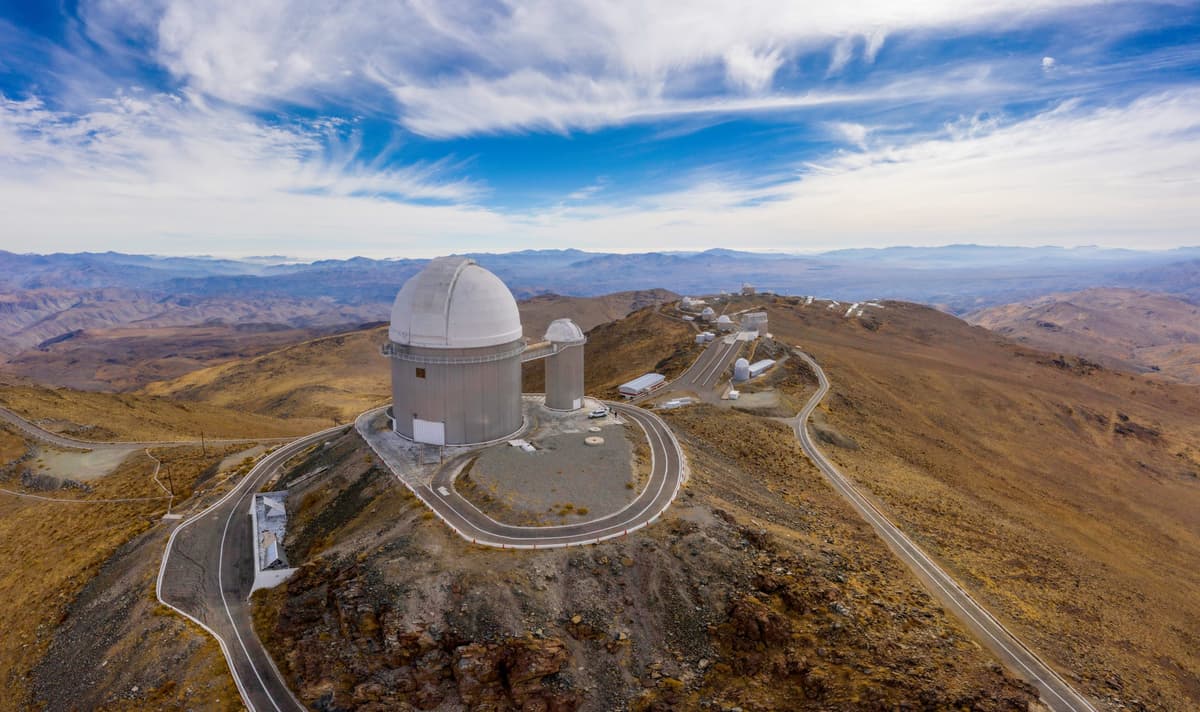
Ground‑based facilities continue to offer capabilities that space platforms cannot match. Massive telescopes such as the Extremely Large Telescope, Giant Magellan Telescope, and Thirty Meter Telescope will collect far more light than any space‑borne instrument, while the Vera C. Rubin Observatory provides rapid, wide‑field surveys essential for tracking transient phenomena and near‑Earth objects. These observatories are modular; mirrors can be recoated, instruments swapped, and technologies iterated over decades, delivering a flexible scientific pipeline that space missions, locked into a single design, cannot replicate. Moreover, the cost of launching and maintaining orbital assets remains prohibitive compared with the evolving economics of terrestrial observatories.
The path forward lies in coordinated stewardship rather than binary choices. Effective mitigation—such as dimming satellite albedo, enforcing debris‑removal standards, and protecting radio frequencies—requires collaboration among commercial operators, governments, and the scientific community. Preserving the night sky also safeguards public engagement and the educational pipeline that inspires future scientists and engineers. By treating both the terrestrial and orbital realms as shared commons, policymakers can ensure that astronomy thrives across all platforms, delivering discoveries while maintaining the cultural and scientific heritage of looking up at the stars.
The future of astronomy is both on Earth and in space
0
Comments
Want to join the conversation?
Loading comments...