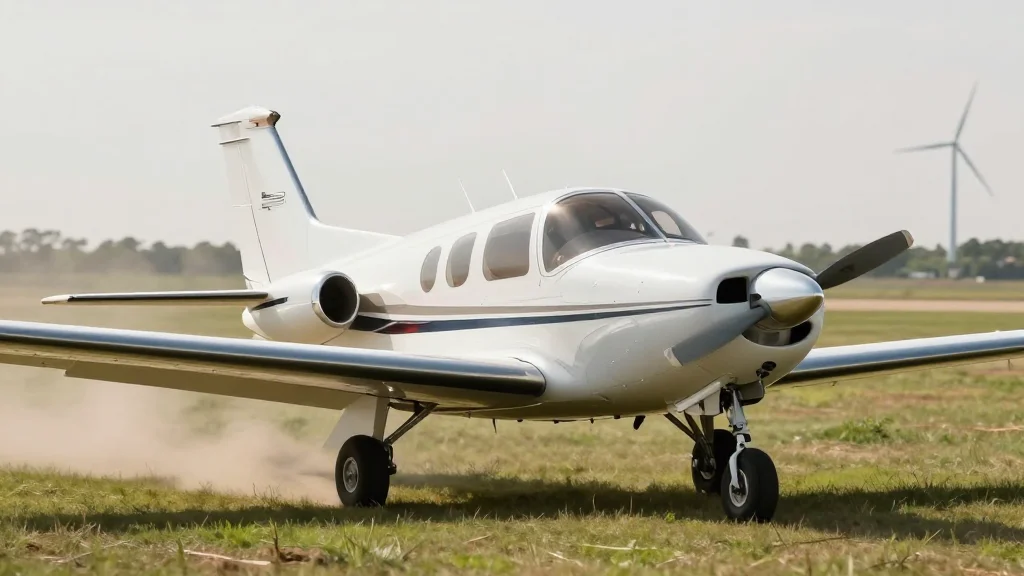
Three Dallas Police Officers Injured in Private Plane Crash in Forney, Texas

Why It Matters
The injury of three off‑duty police officers highlights the intersection of public‑service personnel safety and general‑aviation risk. Law‑enforcement agencies often rely on private aircraft for rapid response or personal travel, and a high‑profile incident can prompt internal reviews of travel policies and insurance coverage. Moreover, the crash adds urgency to ongoing discussions about general‑aviation safety standards, a sector that accounts for the majority of U.S. aircraft but also records a disproportionate share of aviation fatalities. Policymakers may use the incident as a catalyst to push for stricter oversight, improved pilot certification processes, or increased funding for rural emergency response capabilities. The broader string of recent GA accidents underscores systemic challenges, such as aging aircraft fleets, variable maintenance quality, and limited real‑time monitoring of flight conditions. As the FAA and state authorities investigate, their findings could shape future regulatory frameworks, influencing everything from mandatory equipment upgrades to enhanced reporting requirements for private pilots. The outcome will affect not only the families of the injured officers but also the wider community of private‑plane operators and the public’s confidence in the safety of small‑aircraft travel.
Key Takeaways
- •Three Dallas police officers injured, one critically, in a private plane crash near Forney, Texas.
- •Two officers hospitalized; the third treated on scene and released.
- •FAA and Texas Department of Public Safety have launched investigations into the cause.
- •Incident adds to a recent series of general‑aviation crashes across the United States.
- •General aviation comprises about 90% of U.S. aircraft and records roughly 363 fatalities annually.
Pulse Analysis
The Forney crash arrives at a moment when the general‑aviation community is under heightened scrutiny. While commercial aviation enjoys robust safety oversight and advanced monitoring technologies, the private‑plane sector often operates with less stringent checks. This disparity creates a safety gap that can manifest in incidents like the Dallas officers' crash. Historically, spikes in GA accidents have prompted incremental regulatory changes, such as the 2015 FAA mandate for electronic flight bags in certain classes of aircraft. However, the fragmented nature of GA ownership—ranging from hobbyists to corporate operators—makes uniform enforcement challenging.
From a market perspective, the accident could accelerate demand for safety retrofits, such as modern avionics, terrain‑avoidance systems, and real‑time health monitoring of aircraft components. Companies that specialize in these technologies may see a surge in interest from private owners seeking to mitigate risk. Simultaneously, insurers could reassess premium structures for GA policies, especially for high‑profile passengers like law‑enforcement personnel, potentially raising costs for owners.
Looking ahead, the FAA’s investigative report will likely become a reference point for policymakers debating broader reforms. If the findings point to pilot error, maintenance lapses, or equipment failure, each scenario carries distinct policy implications—from enhanced training curricula to stricter maintenance record‑keeping. For law‑enforcement agencies, the incident may trigger internal reviews of travel risk assessments, possibly limiting off‑duty use of private aircraft or mandating additional safety protocols. The convergence of a high‑visibility crash, a series of similar accidents, and the underlying safety data creates a compelling case for a coordinated response that balances operational flexibility with the imperative to protect lives.
Three Dallas Police Officers Injured in Private Plane Crash in Forney, Texas
Comments
Want to join the conversation?
Loading comments...