Topsoe From Denmark Supports U.S. Projects for the Production of Alternative Aviation Fuels
Why It Matters
The project provides a scalable source of drop‑in sustainable aviation fuel, helping airlines meet stricter CO₂ regulations while turning otherwise landfilled plastic into valuable energy, accelerating the circular economy.
Key Takeaways
- •HydroFlex® plants target 1,500 barrels of renewable fuel daily
- •Three Texas facilities aim for commercial operation by 2029
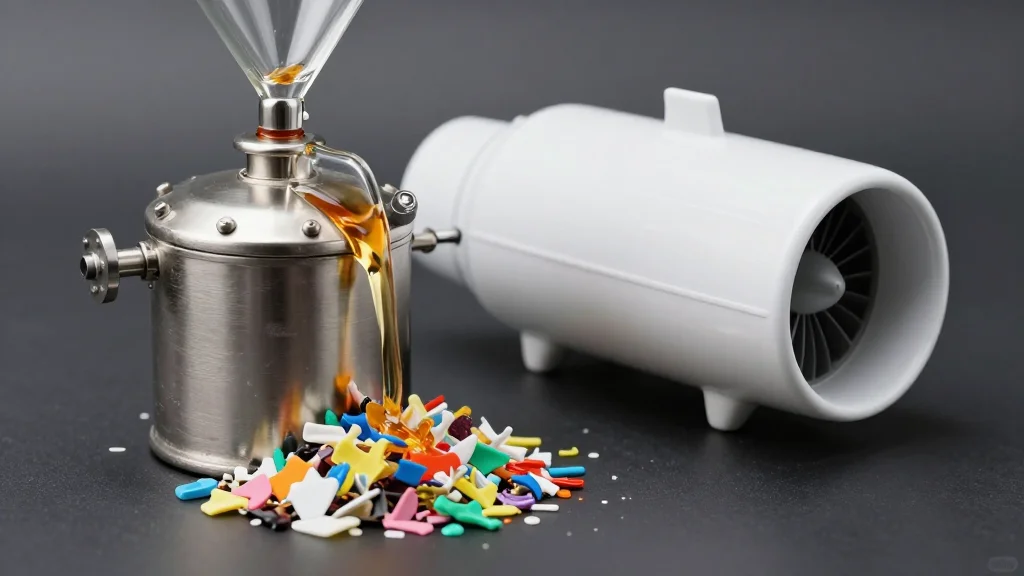
- •Plastic waste conversion creates drop‑in SAF compatible with existing engines
- •Abundia partners with Topsoe to scale waste‑to‑fuel projects
- •Global recycling rate ~9%; projects address majority of unrecovered plastic
Pulse Analysis
The aviation industry faces mounting pressure to cut carbon emissions, prompting a search for sustainable fuel sources beyond traditional bio‑based options. Each year, the OECD reports roughly 353 million tonnes of plastic waste, yet only about 9 percent is recycled, leaving a vast feedstock for chemical conversion. Converting this waste into renewable fuels aligns with circular‑economy principles and offers a way to divert material from landfills and incinerators. Companies that can scale such processes are poised to meet both environmental targets and growing demand for low‑carbon energy.
Topsoe’s HydroFlex® technology is at the heart of this shift, enabling the catalytic cracking of mixed plastic, fats, and oils into drop‑in fuels that meet existing fuel specifications. The process produces sustainable aviation fuel, diesel, and high‑value chemical feedstocks without requiring engine modifications, a critical advantage for hard‑to‑decarbonize sectors. By delivering fuels that can be blended directly with conventional jet fuel, HydroFlex reduces the logistical and certification hurdles that often slow alternative‑fuel adoption, positioning the technology as a pragmatic bridge toward a greener aviation fuel mix.
The partnership with Abundia Global Impact Group targets three 1,500‑barrel‑per‑day plants in Baytown, Texas, with a final investment decision slated for late 2026 and production expected by 2029. If realized, the facilities could supply a measurable share of the U.S. sustainable aviation fuel market, helping airlines meet tightening CO₂ regulations and supporting the broader energy transition. Investors are watching the project as a template for waste‑to‑fuel scaling, where commercial viability hinges on feedstock availability, policy incentives, and the ability to deliver cost‑competitive, drop‑in SAF at scale.
Topsoe from Denmark Supports U.S. Projects for the Production of Alternative Aviation Fuels
Comments
Want to join the conversation?
Loading comments...