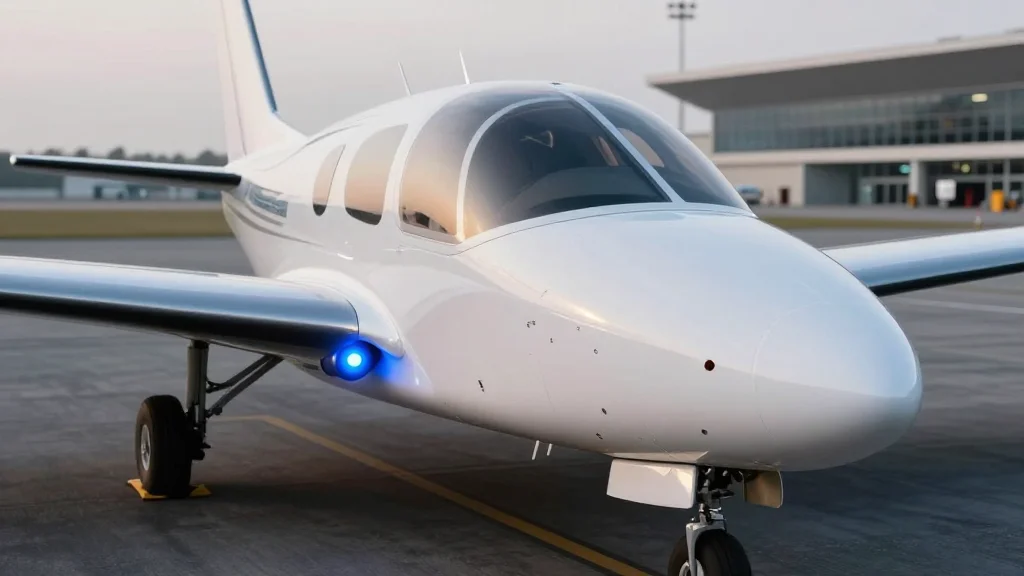
TU Delft Researchers Carry Out Taxiing Tests with Liquid Hydrogen-Powered Aircraft
Companies Mentioned
Why It Matters
The successful taxi test proves that hydrogen propulsion can operate safely in existing airport environments, accelerating infrastructure rollout and de‑risking future commercial hydrogen aircraft. It signals a tangible step toward zero‑emission aviation and could reshape airport fuel logistics.
Key Takeaways
- •First taxi test of hydrogen aircraft at operational Dutch airport
- •AeroDelft used gaseous hydrogen for taxi, targeting liquid flight
- •Partners: Rotterdam The Hague Airport, Air Products, TU Delft
- •40‑minute gas flight, two‑hour liquid hydrogen endurance
- •Tests validate airport hydrogen infrastructure and safety protocols
Pulse Analysis
Hydrogen‑fuelled aviation is moving from laboratory benches to real‑world runways, and the recent taxi trial at Rotterdam The Hague Airport underscores that shift. While electric propulsion has dominated short‑range trials, liquid hydrogen offers a higher energy density that can support longer missions without compromising weight. By leveraging gaseous hydrogen for the initial ground run, AeroDelft demonstrated that existing airport refuelling infrastructure can be adapted quickly, providing a practical pathway for operators to experiment with alternative fuels while regulatory frameworks evolve.
The AeroDelft project is a collaborative effort that blends academic research with industry expertise. TU Delft supplies the airframe and systems engineering, while Air Products contributes cryogenic storage technology and the airport supplies real‑world operational constraints. Together with the Rotterdam The Hague Innovation Airport Foundation, they have mapped a hydrogen value chain that includes on‑site production, safe handling, and distribution to aircraft. The team’s risk‑analysis and taxi‑test plan illustrate a methodical, step‑by‑step approach that other airports can replicate, reducing perceived barriers to hydrogen adoption in commercial aviation.
Looking ahead, the implications for the broader market are significant. A successful transition from gaseous to liquid hydrogen could enable aircraft to achieve two‑hour endurance, opening regional routes that are currently uneconomical with electric batteries. This would accelerate the decarbonisation of short‑haul flights, a segment responsible for a sizable share of aviation emissions. However, challenges remain, notably the cost of cryogenic storage, supply chain scalability and certification hurdles. Continued demonstration projects like AeroDelft’s will be essential to refine technology, lower costs, and build confidence among regulators and investors, ultimately shaping the future of sustainable air travel.
TU Delft researchers carry out taxiing tests with liquid hydrogen-powered aircraft
Comments
Want to join the conversation?
Loading comments...