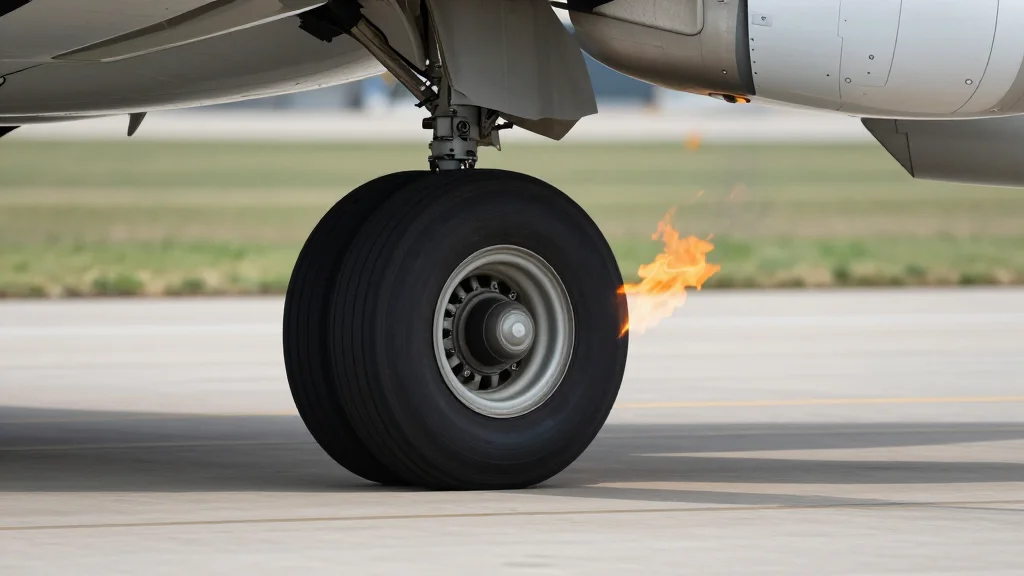
Turkish Airlines A330 Fire on Landing in Kathmandu Forces Evacuation of 288

Companies Mentioned
Why It Matters
The fire on a Turkish Airlines A330 at Nepal’s main airport raises immediate safety concerns for airlines operating in high‑altitude, rapidly expanding markets. A successful evacuation without injuries demonstrates effective emergency protocols, yet the technical fault points to potential aging‑fleet issues that regulators and manufacturers must address. For Nepal, the brief airport shutdown underscores the fragility of its single international gateway, where any incident can ripple through tourism‑dependent revenues. Regionally, the incident arrives as European and Middle‑Eastern carriers, including Turkish Airlines, push deeper into Asian markets despite geopolitical airspace challenges. Maintaining operational reliability and passenger confidence is essential for airlines seeking to capture growth in South‑Asia travel, especially as they navigate higher fuel costs and complex routing constraints.
Key Takeaways
- •Turkish Airlines A330‑300 fire on right‑rear tire during Kathmandu landing
- •277 passengers and 11 crew evacuated; no injuries reported
- •Technical fault in hydraulic pipe identified as cause
- •Tribhuvan International Airport closed for ~1 hour for safety checks
- •Airline arranged replacement flight; incident highlights fleet maintenance scrutiny
Pulse Analysis
Turkish Airlines’ rapid response to the Kathmandu fire illustrates the airline’s operational resilience, but the episode also exposes systemic pressures on carriers expanding into emerging markets. The A330‑300, while economical for medium‑long haul routes, is aging; incidents like a hydraulic‑pipe failure can erode confidence, especially when airlines are already contending with higher jet‑fuel prices—US$181 per barrel—as noted in broader Europe‑China route analyses. Competitors may leverage this moment to emphasize newer, more fuel‑efficient aircraft in their South‑Asia offerings.
From a regulatory perspective, Nepal’s CAAN demonstrated effective crisis management, swiftly containing the fire and restoring airport operations. However, the incident may prompt stricter oversight of foreign carriers’ maintenance records, potentially leading to more frequent inspections or mandatory upgrades for older fleets. Such regulatory tightening could increase operating costs for airlines that rely on legacy aircraft to serve niche routes.
Strategically, Turkish Airlines is at a crossroads. Its aggressive network growth into South Asia aims to capture tourism and diaspora traffic, yet each incident magnifies the stakes of maintaining safety standards across a diverse fleet. The airline’s next steps—transparent communication, targeted maintenance interventions, and possibly fleet renewal—will determine whether it can sustain its market push without losing passenger trust. In a competitive landscape where European carriers are adding capacity to China despite airspace detours, Turkish Airlines must balance expansion ambitions with the imperative of operational safety to remain a credible player in the region.
Turkish Airlines A330 fire on landing in Kathmandu forces evacuation of 288
Comments
Want to join the conversation?
Loading comments...