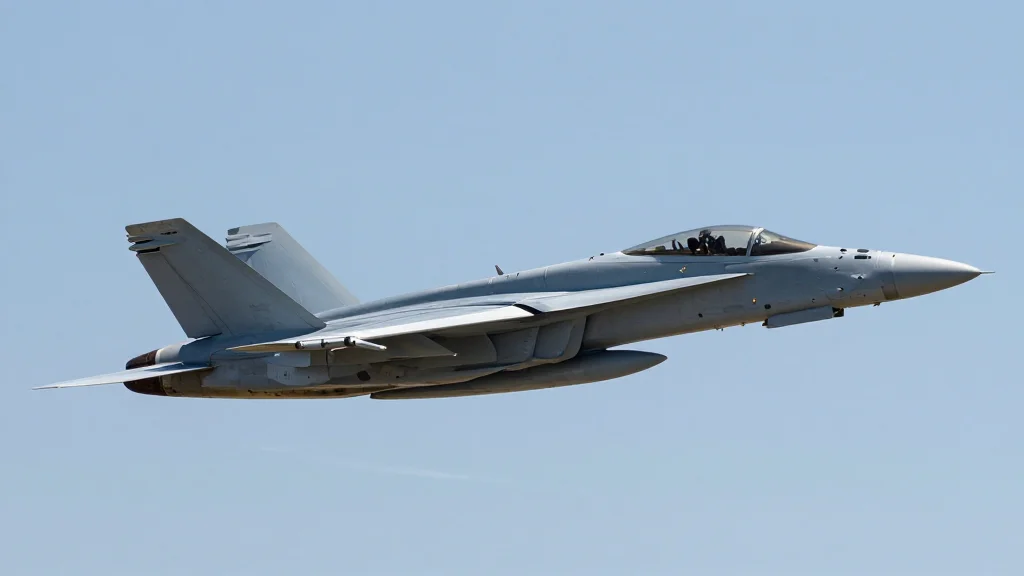
Two Navy EA-18G Growlers Collide at Idaho Air Show, All Crew Eject Safely

Why It Matters
The collision of two Navy EA-18G Growlers at a public air show highlights the intersection of military readiness and civilian safety. As the Navy seeks to demonstrate its electronic‑attack capabilities to the public and potential allies, any mishap can erode confidence in the platform and raise scrutiny over the use of combat aircraft in non‑combat settings. The incident also puts pressure on regulators and event organizers to tighten safety standards, potentially reshaping how future air shows incorporate advanced military jets. Beyond immediate safety concerns, the crash could influence procurement decisions for the EA‑18G fleet, affect insurance costs for air‑show operators, and impact public perception of the broader aerospace defense sector. A thorough investigation and transparent findings will be crucial to maintaining trust among stakeholders, from defense contractors to the viewing public.
Key Takeaways
- •Two U.S. Navy EA-18G Growler jets collided during the Gunfighter Skies air show in Idaho.
- •All four crew members ejected safely via parachutes.
- •Mountain Home Air Force Base was temporarily locked down as emergency crews responded.
- •The Navy has opened a formal investigation; preliminary results due in 30 days.
- •The incident may trigger stricter safety protocols for military aircraft at civilian events.
Pulse Analysis
The Idaho crash underscores a growing tension between the desire to showcase cutting‑edge military technology and the imperative to safeguard civilian audiences. Historically, air shows have served as recruitment tools and public relations platforms for the armed forces, but each high‑profile mishap forces a recalibration of risk tolerance. In this case, the EA‑18G Growler—an expensive, highly specialized platform—was operating in a public arena, amplifying the stakes.
From a market perspective, the incident could ripple through the defense supply chain. Lockheed Martin and Boeing, the primary contractors for the F/A‑18 family, monitor operational safety metrics closely; any perceived reliability issue can affect future contracts and upgrade programs. Moreover, insurance underwriters may reassess premiums for events that feature combat aircraft, potentially raising costs for organizers and limiting the frequency of such displays.
Looking ahead, the Navy's investigative board will likely focus on procedural adherence, communication protocols, and aircraft maintenance records. If human error is identified, training curricula may be revised to emphasize formation discipline under show conditions. Conversely, a mechanical fault could prompt fleet‑wide inspections or retrofits. Either outcome will shape the operational envelope of the Growler and inform policy decisions about the permissible use of advanced warplanes in public spectacles. The broader aerospace community will watch closely, as the balance struck here may set a precedent for how military aviation is presented to the public in the years to come.
Two Navy EA-18G Growlers Collide at Idaho Air Show, All Crew Eject Safely
Comments
Want to join the conversation?
Loading comments...