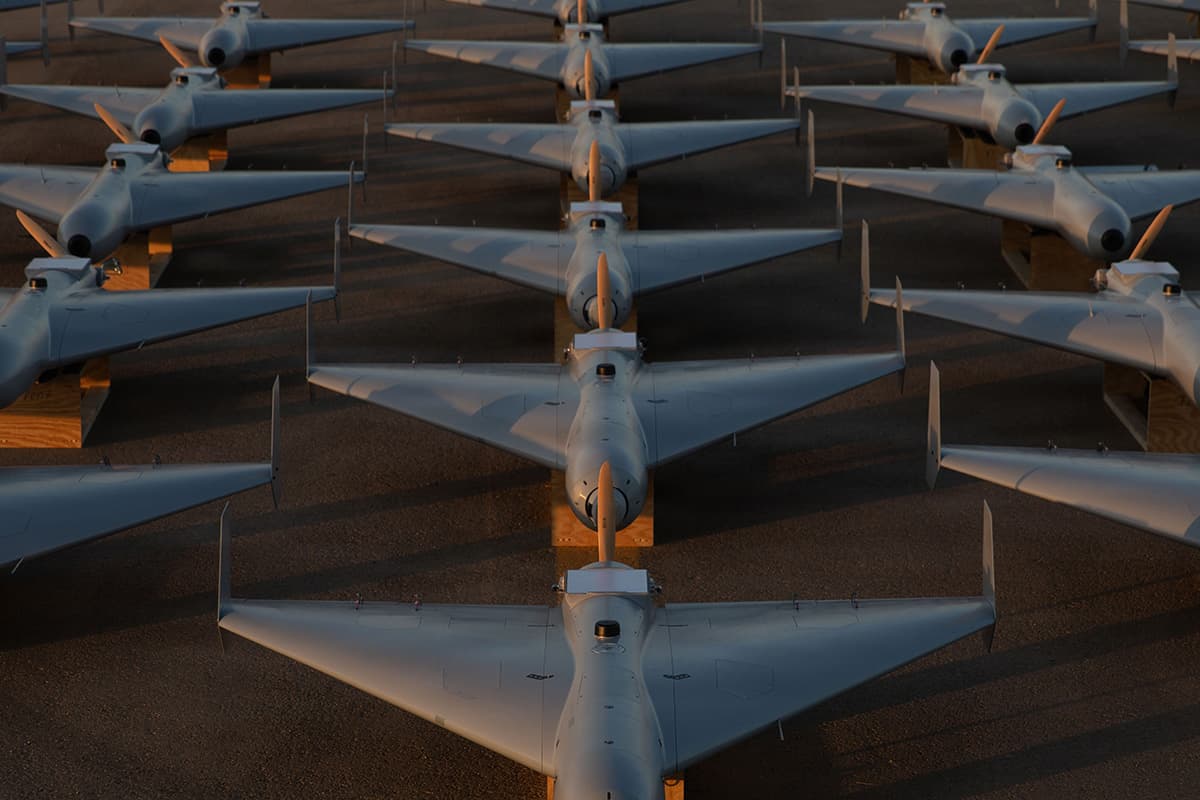
UK Must Be Able to Make Millions of Drones, Says Pollard
Key Takeaways
- •UK aims to produce millions of drones for future conflicts
- •Strategy favors rapid production over large stockpiles
- •Supply chain focus on motors, magnets, cameras
- •Reducing reliance on China for rare‑earth magnets
- •Counter‑drone systems development runs parallel to drone build‑up
Pulse Analysis
The UK’s defence blueprint is being rewritten in the wake of the Ukraine conflict, where swarms of cheap, expendable drones proved decisive on the battlefield. Policymakers now view drone capability as a numbers game rather than a high‑cost, low‑volume asset. By adopting a "warm" production model, the Ministry of Defence can churn out millions of units on demand, ensuring that technological upgrades are incorporated without the lag of traditional warehousing. This approach aligns with NATO’s broader push for agile, scalable unmanned systems that can be fielded quickly in a fluid combat environment.
A critical hurdle to this ambition lies in the supply chain. Small‑uncrewed aerial vehicles rely heavily on electric motors, permanent‑magnet assemblies and high‑resolution camera modules—components dominated by a handful of manufacturers, notably China for rare‑earth magnet processing. The UK is therefore investing in domestic research, incentivising allied partnerships, and exploring alternative materials to curb dependence on potential adversaries. Such moves not only safeguard production continuity but also stimulate a nascent high‑tech manufacturing sector, creating jobs and fostering innovation in advanced materials and miniaturised electronics.
Parallel to drone proliferation is the rapid development of counter‑drone systems, a necessity as hostile UAVs become more accessible to state and non‑state actors. Integrated detection, tracking and neutralisation solutions are being fielded alongside the UK’s own drone fleets, ensuring a layered defence posture. For industry players, this dual focus opens sizable market opportunities across the full spectrum of unmanned technology—from airframes and payloads to electronic warfare and defensive nets—positioning the UK as a potential hub for next‑generation autonomous warfare capabilities.
UK must be able to make millions of drones, says Pollard
Comments
Want to join the conversation?