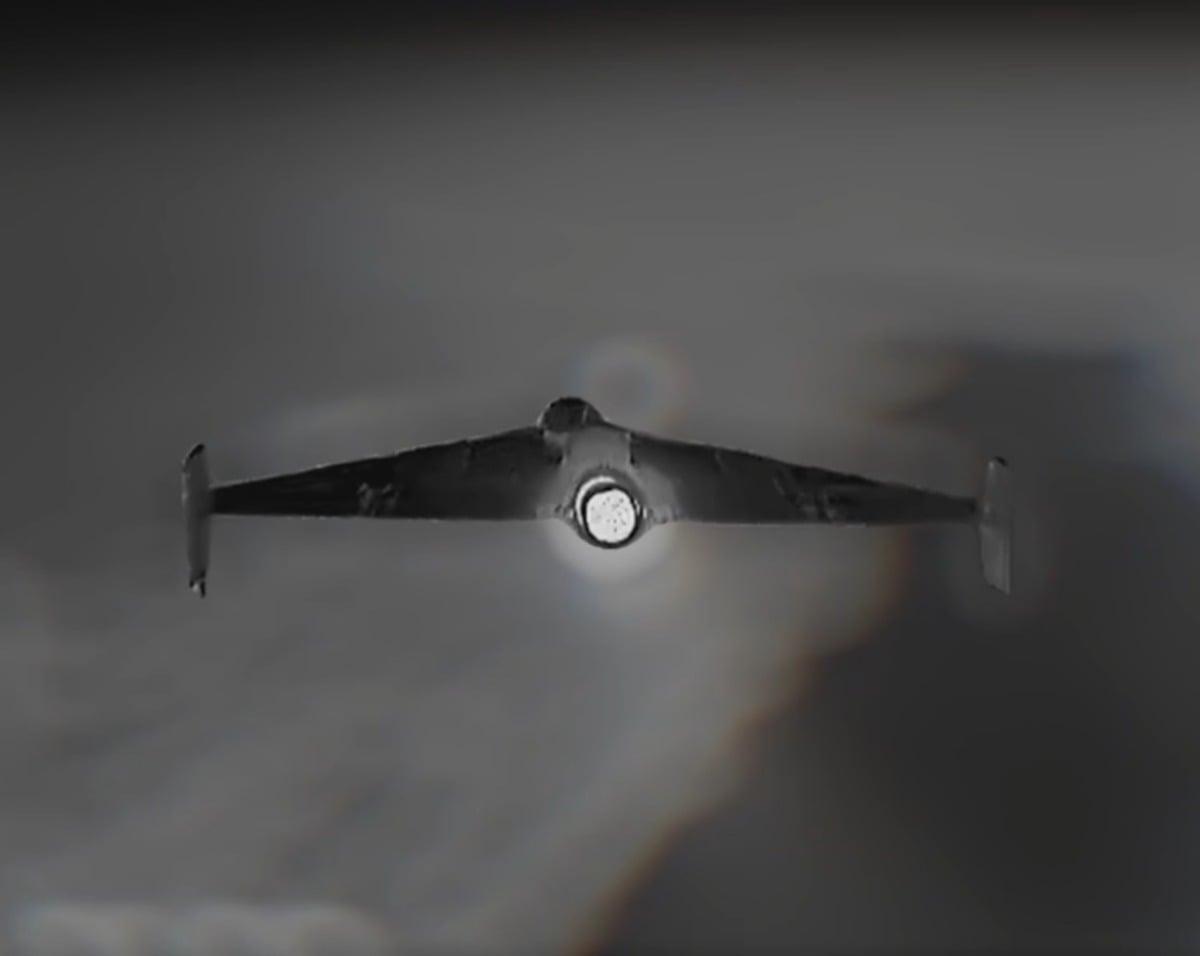
Ukraine Crosses New Line: Drones Kill Shaheds on Autopilot
Why It Matters
The capability lifts Ukraine’s air‑defence throughput against mass Shahed attacks while cutting operator workload and per‑intercept costs, reshaping the tactical balance in the conflict.
Key Takeaways
- •Autonomous drone intercepts Shahed threats with 95% process automation
- •Operator selects target; system handles launch, guidance, and kill
- •Combat‑tested in Kharkiv, Ukraine’s most targeted frontline city
- •Prototype reached field use in under one year via Brave1
- •Increases interception capacity, lowering cost versus missile defenses
Pulse Analysis
Mass attacks by Shahed‑136 loitering munitions have strained Ukraine’s air‑defence layers, forcing commanders to choose between costly surface‑to‑air missiles and labor‑intensive manual drone interceptions. Each Shahed, weighing roughly 40‑50 kg and costing a fraction of a missile, can overwhelm traditional systems when launched in swarms. The economic disparity has driven Kyiv to seek cheaper, higher‑throughput solutions that can neutralise dozens of drones per minute without exhausting limited missile stocks.
The newly fielded autonomous interceptor, developed within the Brave1 defence‑technology cluster, addresses that gap by delegating the terminal phase of engagement to artificial intelligence. After an operator tags a target on a real‑time radar feed, the drone autonomously navigates, recognises the Shahed’s signature, and executes a kill. This 95% automation reduces the skill ceiling for operators, allowing a single controller to manage multiple simultaneous engagements. Early combat trials in Kharkiv—an area under constant aerial threat—proved the system’s resilience against electronic warfare and real‑world clutter, confirming its readiness for scale‑up.
Beyond the immediate battlefield impact, the achievement signals a broader shift in modern air‑defence doctrine. Brave1’s rapid prototyping pipeline, which compressed development from lab bench to combat in under twelve months, exemplifies how defence startups can accelerate capability delivery when paired with government funding and direct military feedback. As other nations confront similar drone‑swarm challenges, Ukraine’s autonomous interception model may become a template for cost‑effective, high‑volume counter‑UAS solutions worldwide, reinforcing the strategic advantage of automated defence technologies.
Ukraine crosses new line: drones kill Shaheds on autopilot
Comments
Want to join the conversation?
Loading comments...