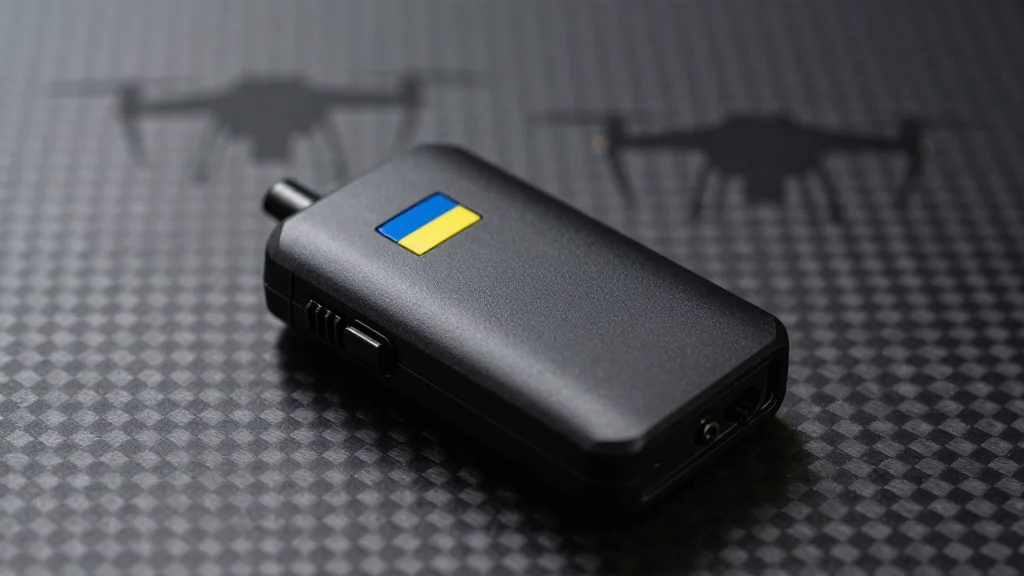
Ukraine’s Rapid Rise as an Anti-Drone Powerhouse
Why It Matters
Ukraine’s cost‑effective counter‑drone capabilities give cash‑strapped allies a viable shield against massed drone attacks, reshaping global air‑defense procurement and accelerating the diffusion of low‑cost electronic warfare technology.
Key Takeaways
- •Ukraine supplies 200 anti‑drone specialists to Gulf states
- •Sting interceptor costs $2,000‑$6,000 per unit
- •Ukraine holds 5‑8% of global anti‑drone market share
- •Bukovel‑AD detects drones up to 43 miles, jams within 12 miles
- •Feedback‑driven production cuts design‑to‑field time dramatically
Pulse Analysis
The Ukrainian war has become an inadvertent proving ground for anti‑drone innovation. As front‑line combat stalled into a trench‑like stalemate, both sides turned to swarms of cheap UAVs for reconnaissance and strike, exposing a critical gap in traditional air‑defense. Ukrainian firms responded with a suite of electronic‑warfare tools—such as Proximus LLC’s Bukovel‑AD jammer and Piranha Tech’s multi‑frequency gun—while also fielding low‑cost interceptors like the Sting, priced between $2,000 and $6,000. This rapid, feedback‑centric development cycle has allowed Kyiv to export proven solutions far faster than conventional defense contractors, positioning it as a de‑facto hub for affordable counter‑drone expertise.
Export activity now spans the Middle East and Europe. Over 200 Ukrainian specialists are embedded in Saudi Arabia, the UAE, Qatar, Kuwait and Jordan, integrating radar placement, SIGINT and “Mobile Fire Groups” that use searchlights and heavy machine guns to knock down drones at a fraction of missile costs. European partners—including Poland, Germany and the United Kingdom—receive both hardware and the underlying combat logic, while the United States leverages Ukraine’s AI‑driven Sky Map system at Prince Sultan Air Base. The economic‑shield model, which prioritises volume and low unit cost over profit margins, enables cash‑strapped allies to field effective defenses without the expense of legacy systems like Patriot.
The broader implications are profound. Ukraine’s ascent challenges the dominance of traditional Western defense firms, prompting a reassessment of procurement strategies that now value agility and battlefield validation over lengthy R&D cycles. As other regions confront similar drone threats—from Iran’s Shahed attacks to African insurgencies—Ukraine’s export‑control‑aware yet flexible approach may become a template for future defense collaborations. Ultimately, the Ukrainian experience underscores how wartime necessity can accelerate technological diffusion, reshaping the global anti‑drone market for years to come.
Ukraine’s rapid rise as an anti-drone powerhouse
Comments
Want to join the conversation?
Loading comments...