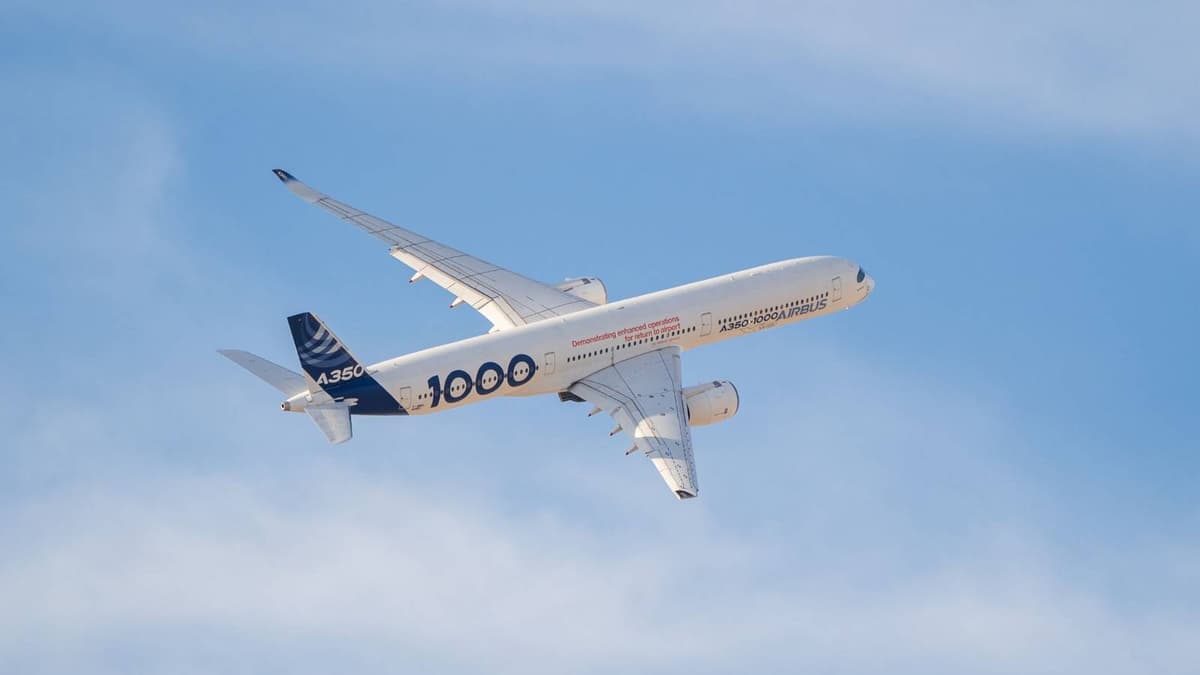
United Airlines’ CEO Slams Rolls-Royce, Says It Only Wins Orders Due To An Airbus A350 Monopoly
Companies Mentioned

Why It Matters
The dispute exposes the risks of single‑source engine contracts, potentially driving airlines to seek more flexible, multi‑engine options and reshaping long‑haul fleet composition across the industry.
Key Takeaways
- •United removed 45 A350‑900 from its delivery schedule.
- •CEO Kirby blames Rolls‑Royce monopoly for engine shortages.
- •800‑900 aircraft worldwide grounded due to engine supply constraints.
- •United shifts focus to Boeing 787 for long‑haul flexibility.
Pulse Analysis
United Airlines’ original commitment to 45 Airbus A350‑900 jets has stalled after a protracted dispute with Rolls‑Royce over the Trent XWB powerplant. The airline officially removed the aircraft from its future delivery schedule, citing operational realignment toward the Boeing 787 Dreamliner. CEO Scott Kirby used the IATA summit in Rio to criticize Rolls‑Royce’s service support and its exclusive position as the sole engine supplier for the A350, arguing that the lack of competition erodes bargaining power and inflates long‑term costs for carriers.
The A350’s single‑source engine model highlights a systemic vulnerability in the commercial aviation market. With roughly 800‑900 aircraft grounded worldwide because of engine shortages, airlines are forced to contend with limited maintenance capacity and supply‑chain bottlenecks. Competitors such as GE and Pratt & Whitney offer alternatives on other airframes, but the A350’s design locks operators into a Rolls‑Royce‑only ecosystem. This concentration reduces price pressure, hampers service responsiveness, and can trigger legal friction when contractual expectations diverge, as United now experiences.
United’s pivot to the 787 reflects a broader industry trend toward fleet flexibility and diversified engine sourcing. The Dreamliner can be equipped with either GE or Pratt & Whitney engines, giving the carrier leverage to negotiate service terms and mitigate future grounding risks. Analysts predict that airlines will increasingly favor aircraft families with multiple engine options to safeguard against supply disruptions. For Rolls‑Royce, the episode underscores the urgency of expanding its customer base beyond the A350 platform or risk further erosion of market share as carriers reassess long‑haul strategies.
United Airlines’ CEO Slams Rolls-Royce, Says It Only Wins Orders Due To An Airbus A350 Monopoly
Comments
Want to join the conversation?
Loading comments...